
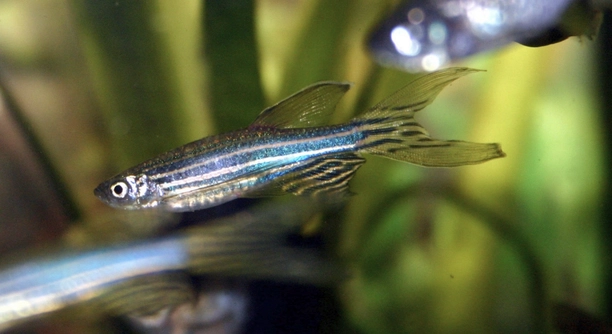
Introducing baby zebra danios to adults in your tank can be an exciting yet delicate process. Properly managing their introduction ensures their safety and helps maintain harmony within your aquarium. Understanding the steps involved is essential for success.
The safest method for introducing baby zebra danios is by acclimating them slowly to the adult tank. Begin by floating them in a bag or container for 15–20 minutes. Then, gradually release them into the aquarium to reduce stress.
A gradual introduction will help prevent aggression and allow the babies to adjust to their new environment.
Acclimating Baby Zebra Danios to Adult Zebra Danios
When introducing baby zebra danios to adult fish, the first step is to ensure both the water conditions and the tank environment are suitable. The water temperature, pH levels, and general cleanliness should be as close as possible to what the adults are used to. Differences in water parameters can cause stress for the baby danios, leading to poor health or even death. It’s crucial to monitor these factors before moving the babies into the adult tank.
Gradual introduction is key to minimizing stress. Begin by floating the baby danios in a bag or container within the tank. This allows them to adjust to the water temperature. After 15 to 20 minutes, release the babies slowly into the aquarium, ensuring they are not overwhelmed by the adults.
Be mindful of the adults’ behavior during the introduction. Some adult zebra danios may show territorial tendencies, which can intimidate or harm the babies. Keep an eye on any signs of aggression and provide hiding spots for the young fish to retreat to if necessary.
Ensuring Safety After Introduction
Once the baby danios are in the tank, the focus shifts to ensuring their safety. Make sure there are plenty of plants, rocks, or decorations where they can hide if needed. This creates a secure space where they can feel protected from the adult fish.
The key to a successful introduction is monitoring the interactions closely. If any adult zebra danios display aggression toward the babies, it may be necessary to separate them temporarily. Adding more plants and hiding places can also help reduce stress and aggression. Be patient as the babies adapt to their new surroundings. Proper care during this phase ensures they grow strong and healthy without unnecessary disruptions.
Creating a Peaceful Tank Environment
A peaceful tank environment is essential for the successful introduction of baby zebra danios. Consider adding more hiding spots like plants and rocks. These will give the babies places to escape if they feel threatened. The less stressed they are, the better their chances of thriving.
Providing hiding places isn’t just about creating comfort; it’s about reducing potential stress. Without them, the baby danios could become targets for aggressive adults. Giving them access to secluded spaces will encourage natural behavior and help the adults maintain calm. This simple addition can make a huge difference in the success of your introduction.
In addition to physical hiding spots, you should keep an eye on the tank’s overall conditions. Ensure the filtration system isn’t too strong, as this can cause unnecessary stress for the babies. A peaceful environment encourages healthier growth, reduces the likelihood of aggression, and helps both adult and baby zebra danios coexist peacefully.
Monitoring Water Quality and Temperature
Water quality and temperature are critical when introducing baby zebra danios to adults. Make sure both parameters are stable, as fluctuations can harm the fish. Baby danios are more sensitive than adults and require specific conditions to thrive. Keeping the water consistent is key.
Test the water regularly for ammonia, nitrites, and nitrates to ensure these levels stay within the safe range. Keep the temperature between 72 and 78°F to prevent any stress on the young fish. Regularly cleaning the tank will help maintain water quality. Filtration should be gentle to avoid creating strong currents that can stress the baby zebra danios.
Maintaining water stability for both the adults and the babies will prevent health issues. Baby zebra danios may not handle sudden changes as well as adults, so keep everything consistent. If needed, adjust the filter settings to ensure the current isn’t too strong and make sure the babies have a comfortable space to grow.
Managing Tank Population and Overcrowding
Overcrowding is a common issue in aquariums, especially when introducing baby zebra danios. A tank with too many fish can cause stress, limit swimming space, and create poor water quality. Ensure there’s enough space for both the adults and the babies to move freely.
When managing population, take care not to exceed the recommended number of fish for the tank size. More fish means more waste, which can quickly degrade water quality. This can lead to increased stress and potential health problems for all the fish in the tank, particularly the babies. Maintaining balance is essential for their growth.
Overcrowding can also contribute to aggression. Adult zebra danios may become territorial and fight for space. To avoid this, consider moving some adult fish to a separate tank if necessary. Keeping the tank population in check is crucial to maintain a peaceful environment for everyone.
Feeding Baby Zebra Danios Properly
Feeding baby zebra danios requires special attention. They need small, nutritious foods to support their growth. Start with finely crushed flakes or powdered foods designed for fry. Feed them multiple times a day in small amounts to ensure they are getting enough nutrients.
As they grow, you can gradually introduce larger food particles, like baby brine shrimp or micro worms. Be mindful of overfeeding, as excess food can pollute the tank and affect water quality. By providing appropriate food and feeding them regularly, the baby zebra danios will develop at a healthy rate.
Pay attention to how much the babies eat. If they’re not eating enough, it could be due to competition with adult fish. Consider separating them temporarily during feeding time to ensure they get their share. Feeding properly helps them grow into strong, healthy fish.
Handling Aggression from Adult Danios
Occasionally, adult zebra danios may show aggression toward the baby fish. If this happens, it’s important to act quickly to prevent harm. Move the babies to a separate area within the tank or use a breeding box to provide protection.
Aggression typically occurs when adults feel their territory is threatened or when the babies are too small. Providing more hiding spots or rearranging the tank layout can help. If aggression persists, consider separating the babies for a longer period until they are large enough to defend themselves.
FAQ
What should the water temperature be for baby zebra danios?
The water temperature for baby zebra danios should be maintained between 72°F and 78°F. This range promotes healthy growth and ensures the babies are comfortable. Lower or higher temperatures can stress the fish, weaken their immune systems, and stunt their development. Regularly check the water temperature using an aquarium thermometer to ensure it stays within this range.
How often should I feed baby zebra danios?
Baby zebra danios should be fed multiple times a day in small amounts. Since they are growing quickly, they need frequent feedings to support their development. Start with tiny portions of finely crushed flakes or specialized fry food. As they grow, you can begin offering slightly larger foods like baby brine shrimp or micro worms. Avoid overfeeding, as this can pollute the tank.
Can baby zebra danios live with adult zebra danios?
Yes, baby zebra danios can live with adult zebra danios, but the introduction must be done carefully. Adults might be territorial and aggressive, especially if the babies are significantly smaller. Introduce the babies slowly by floating them in a bag or container for 15 to 20 minutes, and provide hiding places to help the young fish feel secure. Keep a close watch for any signs of aggression from the adults.
How can I tell if my baby zebra danios are stressed?
Stress in baby zebra danios can be seen through a variety of behaviors, such as hiding excessively, staying motionless for long periods, or swimming erratically. If they are being bullied by adults, they may show signs of physical damage or avoid certain areas of the tank. Poor water quality, overcrowding, or unsuitable temperature can also lead to stress.
Should I add plants to the tank for baby zebra danios?
Yes, adding plants to the tank is a great way to help baby zebra danios feel secure. Plants provide hiding spots, which help reduce stress, especially when the babies are adjusting to their new environment. They also create a more natural habitat, which supports the overall well-being of the fish. Soft-leaved plants are ideal for baby fish.
What kind of filter should I use for a tank with baby zebra danios?
A gentle filter is recommended for tanks with baby zebra danios. Strong currents can stress the small fish, so choose a filter that doesn’t create intense water flow. A sponge filter is a good choice because it provides efficient filtration while keeping the water movement gentle. Regular water changes and cleaning of the filter are also important to maintain water quality.
Do baby zebra danios need light in their tank?
Yes, baby zebra danios do need light, but it should not be too intense. Provide a consistent light cycle to help regulate their natural day-night rhythm. Around 10 to 12 hours of light per day is usually sufficient. Avoid placing the tank in direct sunlight, as this can cause temperature fluctuations and algae growth.
How do I know if my baby zebra danios are growing properly?
Baby zebra danios grow rapidly, and you can monitor their progress by observing their size and behavior. They should become more active as they grow. Healthy baby zebra danios should have clear, well-defined stripes and an even, symmetrical shape. If they are not growing at all or seem lethargic, there may be an issue with water quality or food intake.
Can baby zebra danios be kept in a community tank?
Baby zebra danios can be kept in a community tank, but it’s essential to choose tank mates carefully. Avoid aggressive or overly large fish that might bully or eat the babies. Other peaceful, small fish that do not compete for food are ideal companions. Providing plenty of hiding places and monitoring interactions will ensure the babies are safe.
How long does it take for baby zebra danios to grow to adult size?
Baby zebra danios usually reach full adult size in about six months. However, growth can vary depending on water conditions, diet, and overall health. They grow quickly in the first few months, with noticeable size changes within a few weeks. Proper feeding and stable tank conditions will help them grow at an optimal rate.
Is it necessary to separate the baby zebra danios from the adults?
It is not always necessary to separate the baby zebra danios from the adults, but if aggression from the adults becomes a problem, it may be helpful to temporarily separate them. A breeding box or separate tank section can provide protection. As the babies grow, they will be more capable of handling interactions with the adults.
How can I prevent adult zebra danios from bullying the babies?
To prevent bullying, ensure that the tank is large enough to accommodate both the adults and the babies. Providing plenty of plants, rocks, and hiding spots can help reduce territorial behavior and give the babies places to hide. If aggression continues, consider separating the adults temporarily until the babies are large enough to defend themselves.
Final Thoughts
Successfully introducing baby zebra danios to adult fish requires careful attention to their environment, feeding, and overall tank management. By ensuring the tank is not overcrowded and that the water conditions are optimal, you can help both the adults and the babies thrive. The key to success is creating a balanced, stress-free environment where all fish can coexist peacefully. Regular monitoring of water temperature, quality, and tank population is essential to maintaining healthy fish.
Feeding the baby zebra danios properly is another critical aspect of their development. Small, frequent feedings help ensure that they receive the nutrients they need without overloading the tank with excess food. As they grow, adjusting their diet to larger foods like brine shrimp or micro worms will support their ongoing development. Keeping a close eye on their eating habits and adjusting feeding times as needed will help them grow strong and healthy.
Lastly, it’s important to stay patient and attentive throughout the process. While baby zebra danios are relatively easy to care for, their delicate size and need for specific conditions require careful observation. By providing enough hiding spots, preventing aggression from adult fish, and maintaining a stable environment, you can ensure the babies grow to full size. Proper care from the beginning will lead to a peaceful and thriving tank, benefiting both the young and adult zebra danios.

Hello,
If you enjoy the content that we create, please consider saying a "Thank You!" by leaving a tip.
Every little bit helps us continue crafting quality advice that supports the health, happiness, and well-being of pets around the world, for pets of all shapes, sizes, and species.
We really appreciate the kindness and support that you show us!