
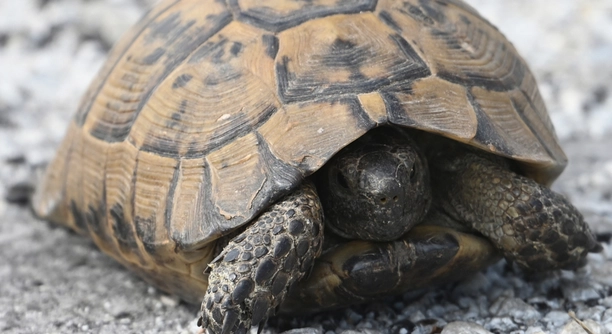
Introducing a new Russian Tortoise to your current pet can be an exciting experience, but it requires careful planning to ensure a smooth transition. Knowing how to do this safely will help both tortoises adjust to each other.
To safely introduce a new Russian Tortoise to an older one, gradual introductions in a neutral space are key. Ensure both tortoises have ample room to move, separate feeding stations, and monitor for signs of aggression or stress.
Proper introductions can prevent unnecessary stress and help both tortoises adapt more easily to their new living arrangement. Knowing the right steps can foster a harmonious environment for both.
Preparing the Space for Both Tortoises
Before introducing the new Russian Tortoise, it’s crucial to prepare the environment. Ensure the area is clean, spacious, and neutral—free from the older tortoise’s scent. This helps reduce territorial behavior. Having plenty of hiding spots, like rocks or logs, provides both tortoises with a place to retreat if needed.
Both tortoises should have enough room to explore without feeling crowded. A small, enclosed space might feel threatening, causing stress or even fights. You’ll want to arrange the area so that both tortoises can move freely without encountering each other too quickly. Make sure the ground is soft and comfortable for them to walk on. By creating a welcoming environment, you’re giving them a chance to adjust without overwhelming either one.
It’s best to have separate food and water bowls for both tortoises. This reduces the chances of them becoming protective over their resources. Monitoring their interaction during this time is essential. Watch closely for any signs of aggression, such as chasing or biting, and separate them if needed.
First Impressions Matter
When introducing the tortoises, take it slow and observe their behavior. Make sure their first meeting isn’t forced.
Introducing a new tortoise should not be rushed. It might take time for both tortoises to feel comfortable. Be patient and watch their body language for signs of stress or comfort. This gradual approach will create a healthier start.
Observe Body Language Closely
It’s important to watch how both tortoises react to each other. If one becomes too defensive or aggressive, separate them immediately. Signs of aggression include hissing, lunging, or biting. If either tortoise seems fearful or stressed, give them some time alone to calm down.
When first meeting, the tortoises may exhibit different body language. They might extend their heads towards each other or even circle each other. These behaviors can be normal but should be monitored closely. If the older tortoise displays dominance, such as climbing on top of the new one, be ready to intervene. A little assertiveness from the older tortoise is common but shouldn’t lead to harm.
Sometimes, it’s better to allow them to meet several times over a few days. Each meeting should be brief but purposeful. By doing this, the tortoises get used to each other’s presence gradually, reducing the likelihood of a sudden, aggressive reaction. Take things slow and ensure their safety.
Providing Individual Territories
Giving each tortoise its own space is vital for their well-being. Even after the introduction, it’s important to allow each one to have its own area for resting and feeding.
Tortoises are territorial by nature. Without separate spaces, one tortoise may become more dominant and prevent the other from accessing food, water, or hiding spots. Consider dividing the enclosure with a gentle barrier so each tortoise feels secure. Make sure the barrier is sturdy enough that neither tortoise can climb over or move it.
Along with separate spaces, try providing different types of hiding spots. Some tortoises prefer dark, enclosed spaces while others like more open areas. The goal is to let them feel in control of their environment while preventing any territorial issues from arising. Adjust the layout as needed, and keep an eye on how each tortoise is adjusting to its space.
Feeding and Nutrition
Ensure both tortoises have access to separate food bowls. This reduces competition for food and ensures each one gets its fair share of nutrients. Keep track of how much each tortoise eats to avoid one eating more than the other.
Different tortoises may have varying preferences when it comes to food. The new tortoise might be hesitant to eat at first due to stress, while the older one might feel more comfortable. Offering them fresh, varied food options like leafy greens, vegetables, and occasional fruits can encourage healthy eating habits. Monitor their feeding behaviors and adjust if necessary.
After a few days, you may notice the new tortoise becoming more comfortable with mealtime. If it continues to refuse food, try offering it in a quiet, separate space. Avoid mixing the two during meal times until you’re sure they are both adjusting well.
Monitor Their Health
Keep an eye on their health during the introduction period. Any signs of stress, such as not eating, excessive hiding, or slow movement, should be addressed promptly.
Check for visible injuries or signs of aggression, like shell damage or bites. If either tortoise seems unwell, it may be necessary to seek advice from a veterinarian. Stress can weaken their immune systems, making them more susceptible to illness. Keeping their health in check ensures a smoother transition.
Gradual Socialization
The more gradual the process, the better. Slow, controlled interactions help both tortoises adjust to each other. Keep sessions short and low-pressure.
Start by allowing the tortoises to share space without forcing them into direct contact. Over time, their curiosity may overcome any fear, and they might begin to tolerate one another’s presence more comfortably. You’ll know they’re ready for longer interactions when they seem more relaxed and stop showing signs of aggression.
FAQ
How long does it take for a new tortoise to adjust to its new home?
It can take anywhere from a few days to a few weeks for a new tortoise to adjust to its new home. The time varies depending on the tortoise’s personality and past experiences. You may notice your new tortoise being shy or hiding more frequently at first. Allowing them to explore their new space at their own pace will help reduce stress.
Should I keep the new tortoise and old one together immediately?
No, you should not put them together right away. It’s essential to allow time for them to adjust to each other’s presence in a neutral space. A slow introduction over several days or weeks can help them get used to each other without feeling threatened.
What should I do if the tortoises fight?
If the tortoises show signs of aggression, such as biting or chasing, separate them immediately. Try reintroducing them after a break, or try to rework their environment. Giving each tortoise their own space can often help resolve these issues. Some tortoises just need more time to adapt.
Can I introduce two male Russian tortoises together?
It is generally not recommended to introduce two male Russian tortoises to each other, as they may become territorial. Male tortoises can sometimes be aggressive, especially if they feel their territory is being threatened. If you must introduce them, make sure to provide plenty of space and monitor their interactions closely.
How can I tell if my tortoises are stressed?
Signs of stress in tortoises include lack of appetite, excessive hiding, slow or lethargic movement, or aggressive behavior. They may also show physical signs like irregular breathing or scratching at walls. If you notice any of these, give them space and reduce any potential stressors in their environment.
Do I need to quarantine the new tortoise?
Yes, it’s highly recommended to quarantine a new tortoise for at least 30 days before introducing it to another. This helps prevent the spread of any potential illness or parasites. Keep the new tortoise in a separate enclosure during this period and monitor for any signs of illness.
Can I put the tortoises in the same enclosure after introducing them?
Once both tortoises seem comfortable with each other and there are no signs of aggression, you can try putting them together in the same enclosure. However, it’s important to provide enough space, hiding spots, and separate feeding areas to reduce territorial behavior and stress.
What do I do if the new tortoise isn’t eating?
It’s common for a new tortoise to be hesitant to eat due to stress. Make sure the food is fresh and offer it in a quiet space. If the tortoise continues to refuse food for several days, try a different food source or consult a vet for advice. In some cases, stress-related lack of appetite can be temporary.
How do I create a safe environment for both tortoises?
Create a spacious enclosure with plenty of hiding spots, basking areas, and easy access to food and water. Avoid overcrowding, and make sure each tortoise can access its own space without conflict. A clean, safe environment with low-stress factors helps ensure both tortoises are comfortable and healthy.
Should I worry if one tortoise seems more dominant?
It’s normal for one tortoise to establish dominance over the other, especially during the early stages of introduction. However, if the dominant tortoise is overly aggressive or harming the other, you may need to intervene. Monitor the situation and provide plenty of space to minimize stress for both tortoises.
How can I tell when it’s safe to let them interact freely?
It’s safe to let the tortoises interact freely when they have shown tolerance toward each other. If they no longer display signs of aggression, like chasing or biting, and seem more relaxed in each other’s presence, you can start allowing longer interactions. Always monitor closely, especially in the beginning.
Can tortoises live together long-term?
Yes, tortoises can live together long-term, but only if they get along and have enough space. With proper introductions, individual territories, and monitoring, they can co-exist peacefully. Some tortoises are more solitary and prefer to live alone, so always observe their behavior to ensure they are happy together.
Final Thoughts
Introducing a new Russian Tortoise to an older one can be a rewarding experience, but it’s important to approach the process with patience and care. Both tortoises need time to adjust to their new situation. By preparing the right environment and paying attention to their individual needs, you can help ensure a smooth transition. Gradual introductions, separate spaces for each tortoise, and close monitoring of their behavior are key steps to prevent stress or aggression.
While it might take time for the tortoises to feel comfortable around each other, it’s important to stay calm and let them go at their own pace. Forcing interactions too soon can cause unnecessary stress for both tortoises. With patience, they can learn to coexist peacefully. Always observe their body language and behavior for signs of stress, and don’t hesitate to step in if needed. It may take a few attempts before they are fully comfortable with each other.
Remember that each tortoise has its own personality. Some may adjust quickly, while others may take longer. Keeping their well-being in mind by providing plenty of food, space, and places to hide will help them feel safe. Over time, with the right approach, they can form a balanced and calm living environment. As long as you continue to monitor their interactions and provide the best care possible, your two Russian Tortoises should be able to live together harmoniously.

Hello,
If you enjoy the content that we create, please consider saying a "Thank You!" by leaving a tip.
Every little bit helps us continue crafting quality advice that supports the health, happiness, and well-being of pets around the world, for pets of all shapes, sizes, and species.
We really appreciate the kindness and support that you show us!