
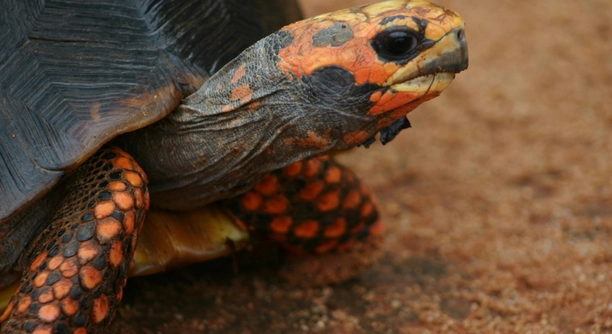
Introducing a new red-footed tortoise to another can be a delicate process. It’s important to ensure a smooth and safe transition for both reptiles, minimizing stress and promoting a healthy relationship between them.
The safest approach is to introduce red-footed tortoises gradually in a neutral environment. This allows them to interact without territorial conflicts. Monitor their behavior closely, providing enough space to avoid aggression or stress.
Proper introductions can significantly impact their wellbeing. Understanding the steps ensures both tortoises have a chance to adjust comfortably.
Preparing for the Introduction
Before introducing two red-footed tortoises, it’s essential to prepare both the environment and the reptiles. Choose a neutral space, free from any previous scent markings. This prevents territorial behavior. Ensure the enclosure is large enough to accommodate both tortoises comfortably. This gives each tortoise enough space to explore without feeling cornered. You’ll want to make sure that both tortoises are healthy and in a stress-free state before introducing them. This preparation will set the stage for a successful meeting, allowing the tortoises to explore each other without immediate conflict.
Creating an environment that supports both tortoises’ needs is essential. Keep the space well-lit, with access to food, water, and hiding spots. A proper introduction relies on having a calm and neutral setting, free of distractions.
Allow both tortoises to interact in a space that’s unfamiliar to them. Avoid introducing them directly into their shared home, as this can trigger territorial disputes. With patience, they will begin to recognize each other’s presence in a neutral zone.
Monitoring Behavior and Adjustments
Once the introduction begins, closely observe the behavior of both tortoises. Watch for signs of stress or aggression, such as puffing, hissing, or rapid movements. If these signs appear, separate them immediately. It’s important to give them time to adjust at their own pace. Keep interactions short initially, allowing them to gradually get used to each other’s presence. Over time, you can extend their interactions, but be mindful of any aggressive or defensive behavior.
During the adjustment phase, provide plenty of food and water to prevent competition. This reduces the chance of conflict over resources. Monitor their behavior consistently, as it can take time for them to adjust fully. Gradual exposure to one another, with breaks between each meeting, helps prevent overwhelming either tortoise.
Understanding Red-Footed Tortoise Behavior
When introducing red-footed tortoises, it’s essential to understand their social behavior. They are generally solitary creatures, but they can tolerate the presence of others when given enough space. Signs of aggression may include biting or chasing, so it’s crucial to observe their movements.
Each tortoise has a unique personality. Some may be more territorial than others, while some may show more curiosity or passivity. Allowing both tortoises to approach each other at their own pace is key. In cases where aggression occurs, separate them and try the introduction again after some time.
If the tortoises seem comfortable with each other, their behavior may shift. They might show interest in sharing food or resting together. Over time, you will notice them becoming more accustomed to each other’s presence. Patience and consistency are necessary when gauging how well they are adjusting.
Providing a Safe Space for Each Tortoise
It’s essential to ensure each tortoise feels secure in their new living space. Both tortoises should have their own space to retreat to when needed. This helps avoid stress and promotes peaceful cohabitation. Having multiple hideouts or shelters in the enclosure will give them the chance to rest independently.
In addition to shelter, keep the environment enriched with appropriate substrates, plants, and basking areas. This will give both tortoises enough to engage with, reducing the chance of conflict. Also, the temperature and humidity should remain consistent to keep them healthy throughout the transition. By providing both comfort and security, the introduction process will be smoother.
Dealing with Aggression
If one tortoise shows signs of aggression, it’s important to separate them immediately. Aggression can be triggered by fear, territory, or an imbalance in the introduction process. Don’t force the interaction, as this can lead to more stress.
When aggression occurs, avoid making sudden movements. Allow both tortoises to calm down before reintroducing them. Make sure each tortoise has a safe retreat area to help them de-stress. Gradually, they may become more tolerant of one another. It’s crucial to remain patient and let them take things at their own pace.
Managing Feeding Time
During the introduction period, ensure that both tortoises have access to enough food. Competition for resources can lead to tension, so offering food at separate locations can help prevent conflicts. Monitor their eating habits closely to ensure both are receiving enough nutrients.
Each tortoise should have access to its own food dish. This will also help them feel secure in their space, reducing the chance of food aggression. Allow them to finish their meal in peace without feeling threatened by the presence of the other. Keeping the feeding environment calm will support their well-being.
Maintaining Regular Health Checks
Health checks are crucial during and after the introduction process. Monitor both tortoises for any signs of stress, injury, or illness. Stress can lead to weakened immune systems, so it’s important to ensure they remain healthy throughout the adjustment. Regular vet visits are also recommended.
FAQ
How long does it take for two red-footed tortoises to get along?
The time it takes for red-footed tortoises to get along varies depending on their personalities and previous experiences. Typically, it can take anywhere from a few days to a few weeks. However, some tortoises may take longer to adjust. Consistent monitoring and patience are key during this time.
Can I put two male red-footed tortoises together?
It’s not recommended to house two male red-footed tortoises together for long periods. Male tortoises can be more territorial and may fight over dominance. If you choose to house them together, make sure the enclosure is large enough for both to have separate areas to reduce the likelihood of conflicts.
Should I be concerned if my tortoises fight?
Fighting can be a normal part of the introduction process. However, if the fighting is aggressive, prolonged, or leads to injury, it’s important to separate them immediately. Try reintroducing them after some time, and ensure they have enough space and resources to avoid competition.
What should I do if my tortoises don’t seem to get along?
If they are not getting along after several attempts, it’s best to give them time apart. You can try reintroducing them later in a neutral environment. Ensure that each tortoise has its own space, food, and hiding areas. If the issue persists, consult with a vet or reptile specialist for guidance.
Can I introduce a baby red-footed tortoise to an adult?
Introducing a baby tortoise to an adult can be done, but it requires extra care. The adult tortoise may display dominance or territorial behavior. Ensure the baby has its own space to retreat to. Monitor the interaction closely, especially in the early stages, to prevent any harm to the baby.
How can I tell if my tortoises are stressed during the introduction?
Signs of stress include erratic movements, hiding excessively, loss of appetite, and attempts to escape. If you notice these signs, it’s important to separate the tortoises and give them a break. Stress can be harmful to their health, so it’s important to monitor their behavior closely.
Is it safe to leave the tortoises together all the time after they’ve been introduced?
Once the tortoises have shown that they can coexist peacefully, you can start leaving them together for longer periods. However, always provide plenty of space and resources, such as food, water, and hiding spots. Even when they seem to get along, ongoing observation is still important to ensure no aggression develops over time.
How can I prevent fighting between two tortoises?
To prevent fighting, ensure that both tortoises have enough space, food, and hiding areas. Keeping the environment enriched and avoiding resource competition will help prevent aggression. You can also introduce them gradually, allowing them to get used to each other’s presence before full interaction.
Can I introduce a new red-footed tortoise to an established group?
Introducing a new tortoise to an established group is possible, but it requires careful planning. It’s best to introduce the new tortoise in a neutral area first to minimize territorial behavior. Monitor interactions closely, and make sure there’s enough space for each tortoise to retreat if needed.
What should I do if one of my tortoises is bullying the other?
If one tortoise is bullying the other, it’s important to separate them immediately. A bully tortoise can cause stress and harm to the other. Give them time apart, and when reintroducing them, ensure there’s enough space, food, and hiding spots to reduce competition and territorial behavior.
Final Thoughts
Introducing a new red-footed tortoise to another requires patience and careful observation. It’s important to allow both tortoises time to adjust to each other’s presence. The process can take a few days to a few weeks, depending on the tortoises’ personalities. During this time, monitoring their behavior is crucial. Signs of stress, aggression, or discomfort should be taken seriously. If any issues arise, it’s best to separate the tortoises and try the introduction again later. Over time, with consistent effort, most tortoises can peacefully coexist. However, each situation is unique, and the process may take longer for some.
The environment plays a significant role in the success of the introduction. Providing enough space, food, water, and hiding spots for both tortoises will reduce stress and prevent conflicts. A secure and enriched environment helps create a more relaxed atmosphere for the tortoises to interact. If either tortoise feels threatened or stressed, it could result in aggressive behavior or health issues. Proper care and monitoring will help ensure both tortoises feel safe and secure in their new living situation. A well-prepared environment also allows the tortoises to establish their own boundaries, promoting peaceful cohabitation.
Patience is the key to a successful introduction. It’s important to remember that every tortoise is different, and some may require more time to adjust than others. Understanding their needs and being observant of their behavior will make the process smoother. Keep in mind that tortoises are not typically social creatures, and forcing interactions could lead to problems. Giving them the space and time they need is the best approach. In the end, a well-managed introduction will help both tortoises adjust to each other’s presence and thrive in a shared environment.

Hello,
If you enjoy the content that we create, please consider saying a "Thank You!" by leaving a tip.
Every little bit helps us continue crafting quality advice that supports the health, happiness, and well-being of pets around the world, for pets of all shapes, sizes, and species.
We really appreciate the kindness and support that you show us!