
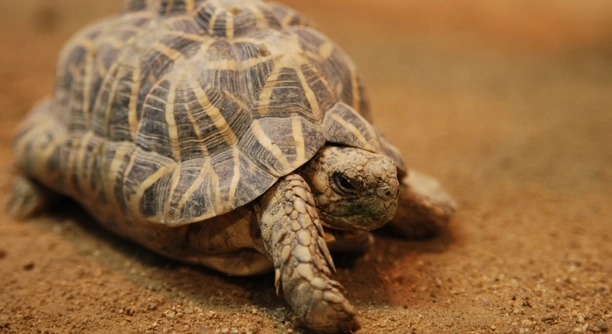
Handling an Indian Star Tortoise requires care and attention. These gentle reptiles are popular as pets but need specific conditions for health and safety. Proper handling can ensure a long, happy life for your tortoise.
To safely handle your Indian Star Tortoise, always support its body fully and avoid picking it up by its shell. Gradually get it used to being held while ensuring it has a stable, secure grip to prevent stress or injury.
By following these simple guidelines, you can maintain a safe environment for your tortoise and enjoy your time with it.
Understanding Your Indian Star Tortoise’s Needs
Indian Star Tortoises are peaceful creatures, but they have specific requirements. These reptiles thrive in warm, dry environments with access to sunlight. Make sure their habitat is spacious enough for them to move freely. A proper enclosure will help maintain their health. The temperature should be kept at a consistent 80-85°F, with a basking spot reaching up to 90°F. Humidity must be kept low to mimic their natural environment, but don’t let it drop below 40%. Providing a safe and enriching space is key to their well-being. A proper diet, consisting of grasses, leafy greens, and occasional fruit, will also support their health.
An appropriate enclosure should also include hiding spots, allowing your tortoise to retreat when it feels stressed. A shallow water dish is also essential for hydration and bathing. This helps with skin health, particularly during shedding. Avoid using gravel or sand that could pose a risk of ingestion.
Providing your tortoise with enough room and proper resources helps reduce stress and promotes a comfortable lifestyle. Regular health checks ensure it remains in top condition.
Handling Your Indian Star Tortoise with Care
When handling your Indian Star Tortoise, take your time and be gentle. Never lift it by its legs or tail, as this can cause harm. Instead, place your hand under its body to provide support. Slowly pick it up and hold it close to your chest to make it feel safe.
It’s important to remember that these tortoises can become stressed from too much handling. Short, calm interactions are best, especially for younger tortoises. Over time, they may become more accustomed to human contact, but always respect their boundaries. Avoid sudden movements and noisy environments to ensure your tortoise remains comfortable during handling.
A calm and confident approach helps build trust between you and your pet. With patience and care, you can develop a strong bond with your tortoise. Keep in mind that every tortoise is unique, so respect its pace when becoming familiar with handling.
The Right Diet for Your Indian Star Tortoise
A balanced diet is crucial for your Indian Star Tortoise’s health. Their main food source should be grasses, dandelion leaves, and other leafy greens. You can also offer some fruits, but only in moderation. Avoid feeding them vegetables high in oxalates, like spinach.
They need a diet that’s high in fiber and low in protein. Overfeeding them protein-rich foods can lead to kidney damage over time. Always remove uneaten food from their enclosure to prevent mold growth. Fresh water should always be available, but avoid allowing them to soak for too long.
The right diet will help prevent health issues such as shell deformities or digestive problems. Offering variety ensures they get the nutrients they need. Pay attention to your tortoise’s activity level and adjust its diet accordingly to maintain a healthy weight.
Providing Proper Lighting and Temperature
Lighting is essential for your tortoise’s health. UVB lighting helps them absorb calcium and prevents shell problems. A good quality UVB light should be used for 10-12 hours daily, positioned close to the basking spot.
Besides UVB light, proper temperature regulation is necessary. Tortoises require a warm basking spot to regulate their body temperature. The ideal range is between 85-90°F, with a cooler area around 75-80°F. During nighttime, the temperature can drop to around 70°F. A thermostat can help maintain stable temperatures, ensuring your tortoise stays comfortable.
These environmental factors help keep your tortoise’s metabolism and immune system in check. Regular monitoring of both light and heat ensures they’re not exposed to extreme conditions that could cause stress or illness.
Proper Handling Techniques
When handling your tortoise, always support its body fully. Place your hand underneath its shell and lift gently. Avoid sudden movements that could cause stress. Never pick it up by its legs or tail, as it can cause injury.
You should only handle your tortoise for short periods. Overhandling can lead to stress or anxiety, particularly for younger tortoises. Allow it time to adjust to your touch gradually. Make sure its environment is calm, with minimal noise and disturbances. This ensures your tortoise feels secure and less stressed during interactions.
Ensuring a Safe Environment
Creating a safe environment is crucial for your tortoise’s well-being. A secure enclosure keeps it safe from potential hazards. The enclosure should be escape-proof and large enough for your tortoise to move freely. Avoid sharp objects or items that could harm it.
Ensure the substrate is comfortable and non-toxic. A mix of coconut coir, grass hay, or organic soil works well. Regularly clean the enclosure to avoid bacteria buildup. This helps prevent health problems related to living conditions, such as respiratory infections or skin issues.
Hydration and Bathing Needs
Hydration is essential for your tortoise’s health. Always provide fresh water for drinking. Tortoises may also enjoy soaking in shallow water for hydration and skin health. Ensure the water dish is large enough for your tortoise to fully immerse itself.
Regular soaking helps with digestion and maintains their skin condition, especially during shedding periods. Never leave your tortoise in water for extended periods, as it could lead to stress or drowning.
FAQ
How often should I handle my Indian Star Tortoise?
Handling should be kept to a minimum to prevent stress. It’s best to handle your Indian Star Tortoise only a few times a week, especially when it’s adjusting to its environment. Young tortoises tend to get stressed more easily, so allow them time to grow comfortable with you. Avoid holding them for long periods, as this can cause unnecessary anxiety. Short, gentle interactions will help build trust over time.
Can I keep multiple Indian Star Tortoises together?
Indian Star Tortoises can be kept together, but it requires careful monitoring. Males, in particular, may become territorial, leading to aggressive behavior. If you plan to keep more than one, ensure that the enclosure is spacious enough to avoid competition for space and resources. Separate hiding spots and feeding areas will help prevent conflicts. Always observe their interactions, and if aggression occurs, it may be best to house them separately.
What is the ideal temperature for my tortoise’s enclosure?
The ideal temperature for your Indian Star Tortoise should range between 75-85°F. A basking spot should reach around 90°F, while the cooler side of the enclosure should remain in the 75-80°F range. At night, it’s acceptable for the temperature to drop to about 70°F. Maintaining consistent temperatures is essential for your tortoise’s health, so invest in a reliable thermometer to monitor these conditions. A heat lamp or ceramic heater can help regulate the temperature effectively.
What should I do if my Indian Star Tortoise refuses to eat?
If your tortoise is refusing food, it could be a sign of stress, illness, or an improper diet. First, check the temperature and humidity levels in the enclosure. Incorrect conditions can lead to a lack of appetite. Ensure the diet is varied and rich in appropriate foods like leafy greens, grasses, and some fruit. If the refusal to eat continues for several days, consult a veterinarian to rule out any underlying health issues.
Can I feed my Indian Star Tortoise fruit?
Yes, fruit can be given to your tortoise, but only in moderation. Fruits are high in sugar, which isn’t ideal for their digestive system if consumed in large quantities. A small piece of fruit once a week is sufficient. Stick to safe fruits like papaya, mango, or berries, and avoid citrus fruits as they can upset their stomach.
How much space does an Indian Star Tortoise need?
Your tortoise needs plenty of space to roam. A minimum of 40 square feet is recommended for one tortoise, especially if you plan to house it indoors. Outdoor enclosures should be larger to allow for natural movement. Larger spaces not only encourage physical activity but also provide opportunities for exploration and mental stimulation. Ensure the enclosure is secure and escape-proof to prevent your tortoise from wandering off.
Can my Indian Star Tortoise live outside year-round?
Indian Star Tortoises can live outside in warm climates, but they should be brought indoors during cooler weather. They can handle short periods of direct sunlight but need shade and a sheltered spot for cooler times. If you live in an area with cold winters, bring your tortoise inside to ensure its safety and health. Outdoor enclosures should be secure from predators and escape-proof.
How can I tell if my Indian Star Tortoise is sick?
A sick tortoise may show signs like loss of appetite, lethargy, discharge from the nose or eyes, or changes in its shell, such as softness or deformities. Any noticeable changes in behavior or physical condition should prompt a visit to a veterinarian experienced with reptiles. Early intervention can prevent the illness from becoming more severe.
What should I do if my tortoise’s shell gets damaged?
If your tortoise’s shell is cracked or damaged, you should take immediate action. Minor cracks may heal on their own, but deep or extensive damage needs veterinary attention. Keep the tortoise in a clean, dry environment to prevent infection. Avoid bathing or exposing it to water until the injury is assessed by a professional. The vet may apply a shell repair or recommend antibiotics if there’s a risk of infection.
Is it safe to give my tortoise supplements?
Calcium and vitamin D3 supplements are often recommended for tortoises to support healthy shell growth. However, over-supplementing can lead to health issues like metabolic bone disease. Use supplements only when necessary, and follow the guidance of your veterinarian regarding dosage and frequency. A well-balanced diet with proper exposure to UVB light is typically enough to maintain your tortoise’s health without excessive supplementation.
How often should I clean my Indian Star Tortoise’s enclosure?
Regular cleaning of the enclosure is important to maintain a healthy environment. Remove uneaten food daily to prevent mold and bacteria growth. Spot clean any waste or soiled bedding regularly. A more thorough cleaning should be done once a week, including changing the bedding and disinfecting surfaces. Ensure that all items in the enclosure, such as the water dish and food bowls, are sanitized frequently.
Can I use sand in my tortoise’s enclosure?
Sand is not recommended for Indian Star Tortoises. While it’s natural, it can cause digestive issues if ingested, which is common when they dig or consume food. Instead, use materials like coconut coir or organic soil, which provide a more comfortable and safe environment for digging without the risks associated with sand ingestion.
Final Thoughts
Caring for an Indian Star Tortoise requires patience and attention to detail. These tortoises are not high-maintenance pets, but they do need specific conditions to thrive. By creating the right environment, providing a balanced diet, and ensuring proper handling, you can support their well-being and longevity. Regular health checks and monitoring their behavior will help you notice any potential issues early, ensuring your tortoise stays healthy and happy.
It’s important to remember that each tortoise is unique, and their needs may vary slightly. Some may prefer certain foods or basking spots, while others may have specific temperature preferences. Paying attention to these small differences and adjusting care accordingly can make a significant impact on their quality of life. While the basic guidelines are the same, learning about your tortoise’s individual habits will make you a better caretaker.
Owning an Indian Star Tortoise can be a rewarding experience, but it requires commitment. These reptiles can live for decades, so you’ll need to be prepared for long-term care. With the right knowledge, you can build a safe, enriching environment where your tortoise can live a healthy, fulfilling life. Whether you’re a first-time tortoise owner or an experienced one, taking the time to understand their needs will help you form a lasting bond with these fascinating creatures.

Hello,
If you enjoy the content that we create, please consider saying a "Thank You!" by leaving a tip.
Every little bit helps us continue crafting quality advice that supports the health, happiness, and well-being of pets around the world, for pets of all shapes, sizes, and species.
We really appreciate the kindness and support that you show us!