
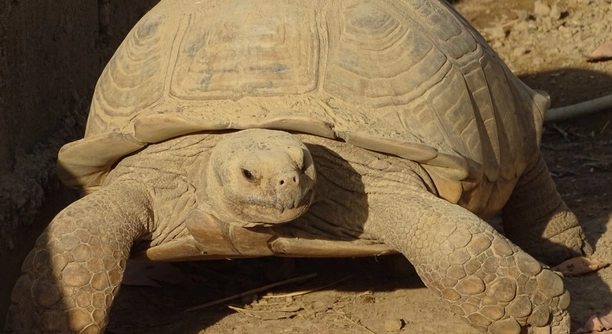
Handling a Sulcata tortoise safely requires understanding their needs and behaviors. These tortoises are fascinating, but they need the proper care to thrive in a home environment. Knowing how to handle them can ensure their health and safety.
The safest way to handle a Sulcata tortoise is by supporting its body fully, avoiding sudden movements or stress. Gently lift them under the shell with both hands, ensuring their legs and head remain in a natural position to avoid injury.
By following the right steps, you can enjoy your time with your Sulcata tortoise while keeping them safe and comfortable.
Understanding the Sulcata Tortoise’s Needs
Sulcata tortoises are large and can weigh over 100 pounds. They require more space than many other pets, so it’s crucial to provide an environment where they can roam and explore. Their enclosure should mimic their natural habitat, including areas for sunbathing, hiding, and access to food and water. These tortoises also need to stay warm, as they are native to the African savannah, where temperatures are typically high. Without the proper heat, they can become stressed and ill. Offering a consistent temperature of around 80-90°F is essential for their well-being.
Creating a suitable habitat is important for their health and comfort. If the environment is not right, your tortoise may not thrive. The right conditions help to keep them active and engaged, improving their overall quality of life.
When setting up your Sulcata tortoise’s living space, ensure they have a combination of both indoor and outdoor areas to roam. Outdoor spaces should have ample sunlight, while indoor areas should be equipped with UVB lighting. This combination helps support proper digestion and shell growth.
Handling Techniques
Always be gentle and calm when handling your Sulcata tortoise.
To lift them, carefully slide your hands underneath their shell, supporting their full weight. Avoid lifting by their legs or tail, as this can cause harm to their fragile body. If you need to move them, keep their body level and move slowly to avoid startling them.
As you handle them more often, they’ll become more comfortable with your presence. It’s important to let them explore their surroundings without forcing them into any interactions. When handled properly, they can form a trust bond with their owner.
Preparing Your Sulcata Tortoise for Handling
Before handling your Sulcata tortoise, it’s important to ensure they are healthy and not stressed. Avoid picking them up right after they’ve eaten or when they are resting. If they seem agitated or tired, wait until they are more active. This makes the handling process easier for both of you.
Properly preparing your tortoise involves creating a calm environment. A well-lit, quiet space will make your Sulcata more comfortable and less likely to get nervous. Be sure to let them roam around first, so they are less likely to feel threatened when approached. The more relaxed your tortoise is, the easier the interaction will be.
Once your Sulcata tortoise is settled, it’s time to approach them gently. Use calm movements to avoid startling them. By establishing a peaceful setting and routine, handling becomes smoother over time. Avoid sudden, jerky motions, and be patient. This will help them get used to being handled without feeling stressed.
Handling Safety and Care
Safety should always be your top priority when handling a Sulcata tortoise.
As these tortoises grow large and strong, it’s important to maintain proper posture and avoid lifting with one hand. Hold them under the shell with both hands, ensuring their body is supported evenly. If you don’t have the strength or confidence to lift them properly, it’s better to wait until you’re more comfortable.
The best way to avoid injury to both you and the tortoise is by using your entire body to support them. Bend your knees and keep your back straight. Never try to pick up a Sulcata by its tail or legs as this can cause permanent damage. Also, keep in mind that Sulcatas are sensitive creatures. Even minor injuries from improper handling can lead to long-term health issues.
Understanding Your Tortoise’s Behavior
Sulcata tortoises can be slow to trust, so it’s essential to read their body language. They might retreat into their shell or avoid you if they feel unsafe. It’s important not to rush interactions. Let them approach you on their own terms, and give them time to adjust.
If your tortoise shows signs of stress, like hiding or withdrawing, back off and give them space. Never force them to interact when they’re not ready. The key is patience, allowing your Sulcata to become more comfortable with your presence over time. This ensures a healthy relationship built on trust.
The Right Time to Handle Your Sulcata Tortoise
It’s best to handle your Sulcata when they are active and in a calm state.
Avoid disturbing them during sleep or feeding times, as this could stress them out. Handle them when they’re exploring their environment or basking in the sun. This makes for a smoother, less stressful interaction for both of you.
Safe Environments for Handling
Ensure your Sulcata tortoise is in a safe, secure space while you handle them.
Pick a surface that won’t cause injury if they fall, like a low table or soft ground. This provides a safe environment for both of you to interact without worry.
FAQ
How often should I handle my Sulcata tortoise?
It’s best to handle your Sulcata tortoise a few times a week, but not too often. They are not a pet you should over-handle. Frequent handling can stress them out, especially if they’re not used to it. It’s important to gauge their comfort level and let them come to you when they’re ready. A few minutes of gentle interaction every few days is enough. Always make sure that the handling doesn’t interfere with their need for exercise or relaxation.
Can I pick up my Sulcata tortoise by the shell?
You should never pick up your Sulcata tortoise by the edges of the shell. This could cause damage to their sensitive spine and bones. The best way to lift them is by gently sliding your hands under their shell, supporting the full weight of their body. This helps avoid injury and ensures that they feel secure while being lifted.
How can I tell if my Sulcata tortoise is stressed?
A stressed Sulcata tortoise might retreat into its shell, stop eating, or become more aggressive. If they’re constantly hiding, it could be a sign of stress or illness. Keep an eye on their behavior and body language. If they seem uneasy or avoid interaction, give them some space. Sometimes, environmental changes, like temperature or humidity fluctuations, can also trigger stress. Make sure their habitat is stable and consistent to minimize stress.
Can I let my Sulcata tortoise roam freely outside?
Yes, but only in a secure, safe area. Sulcata tortoises are known for being escape artists, so make sure your yard is fenced off properly to prevent them from wandering away. The outdoor environment should have a mix of shaded and sunny areas. They need to bask in the sun to absorb vitamin D. Always supervise them when they’re outside to ensure they’re safe from predators or getting into dangerous areas.
What should I feed my Sulcata tortoise?
Sulcata tortoises are herbivores, and their diet should consist mostly of grasses, hay, and leafy greens. They can also eat vegetables like squash, carrots, and occasional fruits like strawberries or melons, but fruits should be offered sparingly. Avoid feeding them high-protein foods like animal products or processed food. Their digestive system works best when they’re given fiber-rich, natural foods. Always provide fresh water, and make sure their diet is varied to prevent nutritional deficiencies.
How can I make sure my Sulcata tortoise stays healthy?
To keep your Sulcata tortoise healthy, provide a proper habitat with appropriate lighting, temperature, and humidity. They need a consistent environment to thrive. Regular access to UVB light is crucial for their calcium metabolism and shell growth. They also need plenty of space to roam. Proper diet, hydration, and occasional veterinary checkups are key to maintaining their health. Also, avoid sudden temperature fluctuations, as this can stress them out and cause illness.
What’s the best way to transport my Sulcata tortoise?
When transporting your Sulcata tortoise, make sure they are secure and comfortable. Use a spacious container with soft bedding, ensuring they have enough room to move without falling or becoming stressed. It’s essential to maintain the proper temperature during transport. Keep the container in a stable, secure location in your vehicle to prevent any sudden movements. Make sure to avoid overcrowding or too much noise, as this can make your tortoise feel uneasy. Keep the trip as short as possible to minimize stress.
How long do Sulcata tortoises live?
Sulcata tortoises have an impressive lifespan, often living 50 years or more in captivity. Some even reach up to 70 or 80 years with proper care. Their long lifespan means that owning a Sulcata tortoise is a long-term commitment. This makes it even more important to ensure their habitat and diet are carefully maintained throughout their life.
Can Sulcata tortoises live with other pets?
Sulcata tortoises can generally coexist with other pets, but it depends on the species. If you have other reptiles or small animals, make sure to introduce them slowly and monitor their interactions. Some animals may be too aggressive or may view your tortoise as a threat. When living with other animals, always supervise interactions to avoid any accidental injuries or stress. It’s also important to make sure your tortoise has enough space to retreat to if needed.
How do I know if my Sulcata tortoise is getting enough UVB light?
To ensure your Sulcata tortoise is getting enough UVB light, check the lighting setup in their habitat. They should have access to UVB light for about 12 hours a day. Make sure the bulb is appropriate for their size and the enclosure’s dimensions. Over time, UVB bulbs lose their effectiveness, so they need to be replaced every 6 to 12 months. If your tortoise isn’t basking or seems lethargic, it could be a sign of insufficient UVB exposure. Regularly monitor their behavior to check for signs of deficiency.
How can I prevent my Sulcata tortoise from escaping?
Sulcata tortoises are great escape artists, so securing their enclosure is essential. You need to build a fence or barrier that’s at least 18 inches high, preferably higher, as they can climb or dig. Make sure there are no gaps or weak spots where they can slip through. If they’re in an outdoor space, dig the fence a few inches into the ground to prevent them from digging under. Regularly check the enclosure for any potential escape routes. Ensuring the enclosure is secure is the best way to keep your Sulcata tortoise safe and contained.
Final Thoughts
Handling a Sulcata tortoise comes with a lot of responsibility. They are fascinating creatures that can live for decades, and caring for them requires patience and consistency. Ensuring they have a proper habitat, a balanced diet, and the right amount of interaction is crucial for their well-being. While they might seem easygoing, Sulcata tortoises have specific needs that need to be met for them to thrive. Whether it’s providing the right UVB light or ensuring they have enough space to roam, every aspect of their care plays a role in their overall health.
The key to a happy and healthy Sulcata tortoise is a stable environment. A secure and clean enclosure is necessary for them to feel comfortable. They need warmth and the right humidity to remain healthy, especially when housed indoors. Giving them outdoor time is beneficial but should always be under supervision. Tortoises are naturally curious and can wander off, so it’s essential to ensure they are in a safe, enclosed space when outside. Understanding their behaviors and respecting their space is just as important as meeting their physical needs.
Owning a Sulcata tortoise is a long-term commitment. These tortoises can live up to 70 or 80 years, which means they need care over the course of their long lifespan. You’ll need to stay dedicated to their health and safety throughout their life. Regular vet checkups, proper diet, and environmental consistency will ensure they continue to thrive. By learning more about their habits and preferences, you can build a bond with your Sulcata tortoise while providing them with the best life possible.

Hello,
If you enjoy the content that we create, please consider saying a "Thank You!" by leaving a tip.
Every little bit helps us continue crafting quality advice that supports the health, happiness, and well-being of pets around the world, for pets of all shapes, sizes, and species.
We really appreciate the kindness and support that you show us!