
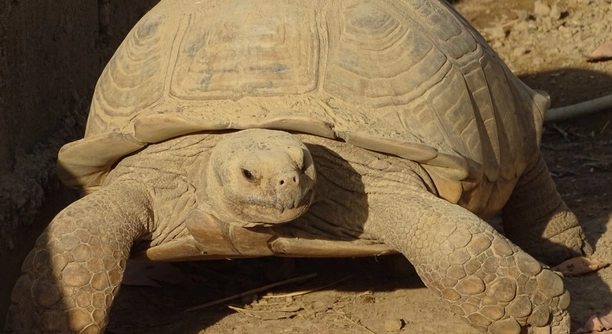
Overgrown nails on a sulcata tortoise can cause discomfort and even lead to health problems. Regular nail clipping is essential to their well-being. This guide will walk you through the steps for safely trimming their nails without causing harm.
To safely clip a sulcata tortoise’s overgrown nails, use specialized reptile clippers, trim small amounts at a time, and avoid cutting too close to the quick. This will prevent injury and ensure a stress-free experience for your pet.
A careful approach ensures your tortoise’s nails are trimmed properly, avoiding unnecessary stress or harm. Knowing the proper technique is key to maintaining their health.
Why Sulcata Tortoise Nails Grow Too Long
Sulcata tortoises naturally wear down their nails in the wild by walking on rough surfaces, but in captivity, their nails can grow too long. The lack of natural wear from walking on hard ground causes the nails to become overgrown. Overgrown nails can be painful for your tortoise, affecting its ability to move properly. Left untreated, this can even lead to injury, making it difficult for your tortoise to walk and perform other daily activities.
Regular nail trimming is important to ensure your tortoise remains healthy and mobile. You should aim to trim the nails every few months, depending on the rate of growth. If your tortoise doesn’t have access to rough outdoor areas, you may need to trim them more often. Regularly checking their nails will help you spot potential issues before they become serious.
In addition to trimming the nails, providing your tortoise with a proper habitat and diet can also play a role in maintaining nail health. A well-balanced diet rich in calcium and proper UV lighting will help keep their nails strong and healthy.
Tools You’ll Need for Nail Clipping
Before you start trimming, it’s essential to gather the right tools. You will need a pair of reptile nail clippers, which are designed specifically for tortoises. These clippers are strong enough to cut through thick nails but gentle enough to avoid hurting your pet. Additionally, you may want to have some styptic powder on hand in case of accidental bleeding. This will help stop any bleeding quickly if you accidentally cut too close to the quick.
Having everything ready before you begin will make the process smoother for both you and your tortoise. It also ensures you don’t have to stop midway through, reducing stress for your pet.
You should also ensure the tortoise is calm before beginning the trimming process. Gently holding them or having them on a soft surface will prevent them from moving too much during the procedure.
How to Safely Trim Your Sulcata Tortoise’s Nails
Start by gently holding your tortoise in a comfortable position, either on a soft towel or your lap. Carefully inspect the nails, noting the clear section that can be trimmed without touching the quick. Make sure you’re prepared to trim only small amounts at a time to avoid cutting too much.
Use reptile nail clippers to trim the nails. Place the clippers near the tip, but not too close to the base of the nail. This will help avoid cutting into the quick, which could lead to bleeding. If you’re unsure, start with small cuts and take your time.
It’s important to trim each nail gradually to avoid stress or injury. If you accidentally cut too close and the nail begins to bleed, use styptic powder to stop it. Take a break and allow your tortoise to calm down before finishing the other nails. This way, the process remains as stress-free as possible.
When to Stop Cutting
You should stop cutting when you reach the nail’s natural curve or when you notice the inner pink area, which is the quick. Avoid cutting into this part, as it is sensitive and will cause bleeding. If you’re unsure, it’s always better to leave a little extra length than to risk cutting too close.
If your tortoise’s nails are especially overgrown, you might need to trim them in multiple sessions. This approach is gentler, allowing the tortoise to adjust without feeling overwhelmed. Be sure to check the nails regularly in between trimmings so that you stay ahead of any overgrowth. You’ll be able to spot the quick and avoid cutting too far if you stay on top of the trimming process.
Signs Your Tortoise’s Nails Are Too Long
When your tortoise’s nails are too long, they may have difficulty walking or may not be able to properly grip the ground. You might also notice them dragging their feet, which can cause injury over time. Regular inspection of the nails will help you identify overgrowth early.
Long nails can also cause your tortoise to become less active. If they’re struggling to move or seem uncomfortable, it’s a sign that a trim is needed. Overgrown nails can lead to changes in posture or gait, which can affect their overall health if left unaddressed.
Aftercare for Your Tortoise’s Nails
Once you’ve finished trimming, monitor your tortoise for any signs of discomfort. They may need some time to adjust to the new nail length. Offering them a quiet space to relax and recover will help keep them calm. Provide access to a warm basking area to ensure they feel comfortable.
Also, keep an eye on their nails to make sure you didn’t cut too much. If you see any signs of infection or inflammation, consult a vet immediately. Regularly inspect the nails to prevent future overgrowth and ensure your tortoise’s long-term health.
FAQ
How often should I trim my sulcata tortoise’s nails?
You should trim your sulcata tortoise’s nails every 2 to 3 months, but this can vary depending on how much natural wear they get. If your tortoise has limited space to roam or doesn’t walk on rough surfaces, you may need to trim them more frequently. Always check the nails regularly for signs of overgrowth to stay ahead of the problem. If you notice any issues, it’s better to trim them a little sooner than later.
Can I use regular nail clippers to trim my tortoise’s nails?
While it is possible to use regular nail clippers, it’s best to use reptile-specific nail clippers. These clippers are designed for thicker, tougher tortoise nails and provide a cleaner, safer cut. Regular nail clippers can sometimes crush the nails, which can cause pain and stress. Reptile clippers are made for the task and are safer for your tortoise.
What should I do if I accidentally cut into the quick?
If you accidentally cut the quick and the nail starts bleeding, don’t panic. Apply styptic powder or cornstarch to the bleeding area immediately to stop the flow of blood. If you don’t have styptic powder on hand, you can use a clean cloth to apply gentle pressure to the area. Keep your tortoise calm and avoid further trimming. If the bleeding doesn’t stop or if you notice signs of infection, contact your vet.
How can I tell if I’m cutting too close to the quick?
The quick is a pinkish or reddish area within the nail that contains blood vessels and nerves. If you trim too close, you’ll notice a small amount of pink or red inside the nail. To avoid cutting too close, trim small amounts at a time and stop once you reach the hard, white section of the nail. If you’re unsure, always err on the side of caution and trim a little less.
Can I trim the nails while my tortoise is in its enclosure?
It’s best to remove your tortoise from its enclosure to trim the nails. Doing so in a quiet, calm space will help keep the tortoise more relaxed. If you attempt trimming in the enclosure, it might become stressed or distracted, making it harder to safely trim its nails. A calm, controlled environment is ideal for nail care.
Is it normal for a tortoise to resist nail trimming?
Yes, it’s normal for a tortoise to resist nail trimming. Tortoises can be quite sensitive to handling and may not enjoy the process. However, with patience and gentle handling, they can become more accustomed to the procedure. Start slowly, and always use positive reinforcement after the trim to help your tortoise feel more comfortable.
Can overgrown nails cause health problems for my tortoise?
Yes, overgrown nails can cause several health problems for your tortoise. If the nails are too long, they can prevent the tortoise from walking properly, which can lead to injury or joint problems. Over time, the nails can cause pain or discomfort, and if left untrimmed, they might even break or split. Regular trimming ensures that your tortoise can move around comfortably and helps avoid these health issues.
Can I trim the nails of a baby sulcata tortoise the same way?
Yes, you can trim the nails of a baby sulcata tortoise in the same manner, but be extra careful as their nails are more delicate. Use smaller clippers and trim only small amounts at a time. Baby tortoises might also be more sensitive to the process, so handling them gently and offering breaks is important. If you’re unsure about trimming baby nails, you may want to consult a vet to ensure you’re using the correct technique.
What happens if I don’t trim my tortoise’s nails?
If you don’t trim your tortoise’s nails, they may continue to grow, causing difficulty in walking or moving around. Overgrown nails can result in the tortoise’s feet dragging, which can cause injury. In severe cases, the nails may even become deformed or grow in a way that affects the tortoise’s posture and overall health. Regular trimming helps prevent these issues and keeps your tortoise comfortable.
Can I take my tortoise to the vet for nail trimming?
Yes, you can take your tortoise to the vet for nail trimming if you’re unsure about doing it yourself. A professional can trim the nails safely and provide advice on nail care. This may be particularly helpful if your tortoise is very stressed during the process or if you’re not confident in your trimming skills. However, nail trimming is a relatively simple procedure that you can learn to do at home with practice.
Do I need to trim my tortoise’s nails if it spends a lot of time outdoors?
If your tortoise has access to rough surfaces outdoors, it may naturally wear down its nails, reducing the need for frequent trimming. However, you should still check the nails regularly for signs of overgrowth, as some tortoises may not wear their nails down enough, especially if they spend more time on soft grass or dirt. If you notice the nails becoming too long, a quick trim may be needed.
What should I do if my tortoise is too stressed during nail trimming?
If your tortoise seems too stressed during nail trimming, stop the procedure and give it some time to calm down. You can try again later or break the process into smaller sessions, trimming only one or two nails at a time. Be sure to offer your tortoise a quiet space afterward and let it relax. Patience is key to making the process less stressful for both you and your pet.
Final Thoughts
Trimming a sulcata tortoise’s nails might seem like a daunting task at first, but with the right tools and approach, it becomes much easier. Regularly checking your tortoise’s nails will help you stay ahead of any overgrowth and ensure their comfort and mobility. While it can be a little stressful for both you and your tortoise at first, with patience and practice, it will become a more manageable task. Remember, the goal is to keep your tortoise healthy, comfortable, and happy.
If you’re unsure about trimming your tortoise’s nails, it’s always a good idea to consult with a veterinarian. They can show you the proper technique and help you avoid any mistakes. Taking your tortoise to the vet for nail trimming also ensures that the process is done correctly, especially if you’re new to tortoise care. Even if you prefer to handle the trimming yourself, don’t hesitate to seek professional guidance. It’s better to ask questions and learn than risk hurting your pet out of uncertainty.
Lastly, it’s important to create a calm, relaxed environment for both you and your tortoise during the process. Stress can make trimming harder and potentially lead to accidents. By gently handling your tortoise and taking breaks when needed, you can reduce anxiety for both of you. Nail trimming should be a part of regular tortoise care, and with the right approach, it will help keep your tortoise happy and healthy for years to come.

Hello,
If you enjoy the content that we create, please consider saying a "Thank You!" by leaving a tip.
Every little bit helps us continue crafting quality advice that supports the health, happiness, and well-being of pets around the world, for pets of all shapes, sizes, and species.
We really appreciate the kindness and support that you show us!