
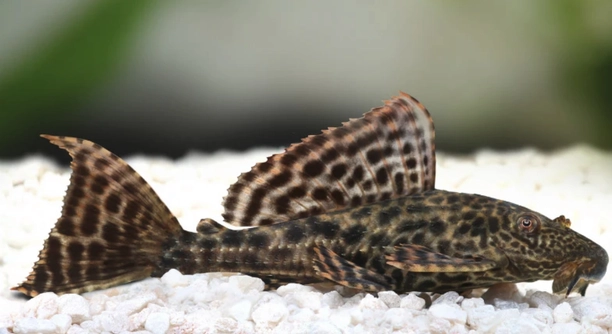
Algae can quickly take over an aquarium, leaving you with a green, murky tank. This can be frustrating, especially when you’re trying to maintain a healthy environment for your pleco. Luckily, there are ways to remove algae without harming your fish.
To remove algae without affecting your pleco, use gentle cleaning methods like scrubbing tank surfaces and controlling light exposure. Opt for algae-eating plants or additional snails as natural cleaners, and avoid harsh chemicals that can harm your fish.
Maintaining a balance between algae control and fish care can ensure your pleco stays healthy and happy. Let’s explore the steps that will help you keep both in harmony.
Why Algae Forms in the First Place
Algae grow in aquariums when conditions like excess nutrients, light, and warm temperatures encourage their spread. Fish waste, uneaten food, and decaying plant matter release nutrients into the water, which algae feed on. If the light is on too long, or too brightly, it can trigger algae blooms, making your tank look dirty and unappealing. A combination of these factors creates the perfect environment for algae to thrive.
The first step in preventing algae is reducing these factors. Start by controlling the amount of light your aquarium gets. Use a timer to limit the exposure to 8-10 hours a day. Proper filtration also helps by removing extra nutrients, keeping the water cleaner for longer.
Another helpful step is to avoid overfeeding your pleco and other tank inhabitants. Any leftover food turns into waste, adding to the nutrient load in the tank. Regular cleaning can help keep the algae levels under control, but prevention is always better than removal.
How to Clean Algae Safely
When it comes to cleaning algae, it’s crucial to use gentle methods. Abrasive scrubbing or harsh chemicals can harm your pleco or disturb the tank’s balance. Instead, try manually removing the algae with a soft sponge or algae scraper. Regular cleaning of your tank’s surfaces, like glass and decorations, prevents algae from taking over.
You can also add natural cleaners to your aquarium, such as algae-eating snails or certain types of fish. While plecos do help manage algae growth, they might not keep it completely in check, especially if the tank is very overgrown. Adding a few more helpers, like snails, can reduce algae buildup. Another natural option is introducing algae-eating plants that compete with algae for nutrients, slowing its growth.
These techniques will keep your tank looking clean without harming your pleco or other fish. Just remember to maintain a regular cleaning routine to stop algae from returning in the future.
Using Algae-Eating Fish and Snails
Plecos are known for eating algae, but they alone might not be enough to keep your tank clean. Adding algae-eating fish, like otocinclus or Siamese algae eaters, can give your pleco a helping hand. These fish are gentle on plants and won’t harm your tank’s balance. Snails, such as Nerite or Mystery snails, also help by cleaning surfaces without disturbing the tank.
These additional creatures can target different types of algae. While plecos might focus on larger growths, snails and smaller fish often tackle the fine green film that covers tank surfaces. Together, they create a more efficient algae-cleaning team. Make sure to choose species that are compatible with your pleco, avoiding those that might compete for food or space.
While these fish and snails help, keep in mind that they don’t solve the root cause. You’ll still need to monitor your tank’s light, food, and overall cleanliness to ensure the algae doesn’t return.
Managing Light and Tank Placement
The amount of light your aquarium gets plays a huge role in algae growth. Too much light, especially from direct sunlight or bright aquarium lights, promotes algae formation. It’s best to keep your aquarium out of direct sunlight, as this can cause algae to grow rapidly.
Using a timer for your tank lights helps control the exposure. Limit the light to 8-10 hours per day to prevent excess algae. Many aquariums come with built-in timers or automatic settings for ease of use. It’s also worth considering the type of lighting you use. Some LED lights can encourage algae growth, so choose low-light options that won’t disrupt your tank’s balance. Additionally, avoid over-illuminating specific areas of the tank, as this can create hotspots for algae to thrive.
It’s essential to adjust light levels and monitor their impact regularly. If algae persist, reducing the amount of light and repositioning your aquarium may be necessary.
Regular Water Changes
Regular water changes are one of the best ways to prevent algae from taking over. Changing 10-20% of your tank’s water every week removes excess nutrients that feed algae. This simple task keeps your tank healthier, ensuring your pleco and other fish thrive.
By removing waste and uneaten food from the water, you limit the nutrients available for algae to grow. If you don’t change the water often enough, nutrient levels build up, creating a perfect environment for algae. Keep in mind, however, that overchanging the water can cause stress, so find a balance.
Regular water changes not only help reduce algae but also improve water quality, making it more suitable for your pleco and other tank inhabitants.
Avoid Overfeeding
Overfeeding is a common mistake that contributes to algae growth. Extra food not eaten by your pleco breaks down and releases nutrients into the water, feeding algae. Feed only what your pleco can consume in a few minutes to avoid this issue.
If leftover food accumulates, it can lead to excessive waste, causing a rise in ammonia and nitrate levels. These excess nutrients create an ideal environment for algae growth. By feeding your pleco the right amount, you’ll help reduce the chances of algae taking over your tank.
Algae Control Products
While natural methods are always preferred, algae control products can sometimes be necessary. These products typically come in the form of liquid treatments or algae-removing pads. When used correctly, they can help reduce algae without harming your pleco or other fish.
However, be cautious with chemical-based products. Some can disrupt the balance of your tank or cause harm to sensitive fish like plecos. Always choose algae control products specifically designed to be safe for aquarium inhabitants, and use them only as a last resort. Regular maintenance should always be the priority.
FAQ
How often should I clean my tank to prevent algae?
Cleaning your tank once a week is ideal for algae control. Regularly remove visible algae with a sponge or algae scraper. During water changes, ensure you’re cleaning any leftover food and debris. Be careful not to disturb the substrate too much, as this can harm beneficial bacteria. Also, monitor your tank’s filtration to make sure it’s working efficiently. If you notice algae forming quickly, you may need to clean more frequently.
Can I use chemical algae removers safely with my pleco?
Chemical algae removers can be effective, but they should be used cautiously. Some products may harm sensitive species like plecos or disrupt the natural balance in your tank. Always read the instructions carefully and ensure the product is safe for use with fish. As a general rule, natural methods like controlling light and adding algae-eating snails or fish are safer and more effective in the long run.
Why is my pleco not eating the algae in my tank?
Plecos are great algae eaters, but they may not eat all types of algae, especially if there is an abundance of other food sources. Additionally, young plecos might focus more on consuming softer algae, leaving tougher growths behind. Ensure that your pleco has a balanced diet with supplemental foods like zucchini, spinach, or algae wafers to ensure they’re getting the nutrition they need. If algae growth becomes excessive, you might need additional algae-eating fish or snails.
How can I control algae growth without harming my pleco?
To control algae without harming your pleco, focus on natural methods. Limit the amount of light your tank gets by using a timer to ensure it’s on for no more than 8-10 hours daily. Keep the water clean with regular water changes and avoid overfeeding. Introduce algae-eating snails or fish, but avoid introducing too many creatures that could overcrowd the tank or compete with your pleco for food. Over time, these steps will help you maintain a healthy balance in your aquarium.
Is algae harmful to my pleco or other fish?
Generally, algae is not harmful to your pleco or other fish unless it’s in excessive amounts. Large algae blooms can reduce oxygen levels in the water, which may stress your fish. Additionally, some types of algae can be toxic to both fish and invertebrates. If you notice a sudden increase in algae, it’s a sign that something in the tank might be out of balance, such as overfeeding or excess light. Regular cleaning and algae control can prevent algae from becoming a serious issue.
How can I prevent algae if my tank gets a lot of natural sunlight?
If your tank is exposed to a lot of natural sunlight, try moving it to a location with less direct light. Alternatively, you can use window blinds or curtains to reduce the amount of sunlight hitting the tank. If moving the tank isn’t an option, consider investing in a tank cover or using plants to block some of the light. Be sure to control the tank’s artificial lighting as well. Keeping the light on for no more than 8-10 hours a day can help reduce algae growth.
Can algae negatively affect water quality in my aquarium?
Yes, algae can negatively impact water quality if left unchecked. As algae grow, they consume nutrients, and when they die off, they release those nutrients back into the water. This can lead to an increase in ammonia, nitrites, and nitrates, which can harm your fish. Excess algae also reduces oxygen levels in the water, causing stress for your pleco and other fish. Regular maintenance, water changes, and managing light exposure are essential to keep water quality in check.
Should I remove my pleco during an algae treatment?
It’s generally not necessary to remove your pleco unless you’re using harsh chemicals that specifically warn against using them with fish. If you’re using natural treatments or gently scrubbing the algae, your pleco can stay in the tank. However, always check the instructions on any algae treatment product you’re using. If it’s a chemical treatment, it’s safer to temporarily remove your pleco and other sensitive species until the treatment has been completed and the water has been properly conditioned.
Can I use algae-eating fish alongside my pleco?
Yes, you can use algae-eating fish alongside your pleco, as long as they are compatible. Some good options include otocinclus catfish, Siamese algae eaters, and Amano shrimp. These species work well in tanks with plecos and can help manage different types of algae. However, make sure the algae-eating fish are not overly aggressive or territorial. It’s always best to research the species before introducing them to ensure a harmonious environment in your tank.
What are the signs that I have too much algae in my aquarium?
Too much algae in your tank will be visible, often forming a green or brownish film on surfaces like the glass, decorations, or plants. The water may appear cloudy, and you might notice a strong, unpleasant odor coming from the tank. In extreme cases, algae can also lead to oxygen depletion, causing fish to behave abnormally, such as swimming near the surface or gasping for air. Regular monitoring of your tank will help you catch excessive algae growth early, preventing any damage to the ecosystem.
Can live plants help prevent algae?
Yes, live plants can help prevent algae growth by competing for the same nutrients. When plants are healthy and growing, they absorb excess nutrients from the water, leaving less for algae. Additionally, live plants can help improve water quality by absorbing carbon dioxide and releasing oxygen. By maintaining a balance of both plants and algae-eating species, you can create a more natural and algae-free environment. Just be sure to provide the proper lighting and nutrients for your plants to thrive.
Final Thoughts
Maintaining a clean aquarium while caring for your pleco doesn’t have to be complicated. Algae can be a nuisance, but with the right approach, it’s possible to keep it under control without harming your fish. Regular water changes, proper lighting, and avoiding overfeeding are simple but effective steps that can make a significant difference. The addition of algae-eating fish or snails can also help maintain balance in your tank and reduce the need for constant scrubbing.
It’s important to understand that algae are a natural part of the aquarium ecosystem. Trying to eliminate it completely might not be realistic, nor is it always necessary. Instead, aim for balance. The goal is to keep algae growth at manageable levels while ensuring your pleco and other tank inhabitants stay healthy. By using gentle methods like manual cleaning and introducing natural algae control options, you’ll have a cleaner tank without harming your fish. Make sure to monitor your tank regularly to identify any potential problems before they become bigger issues.
In the end, algae control is all about consistency and maintenance. You don’t need to rely on harsh chemicals or constant scrubbing if you keep a close eye on your tank’s environment. Creating a balanced aquarium with proper light, water quality, and the right tank mates will help you maintain a beautiful, healthy space for your pleco. By following the simple steps outlined in this article, you’ll be able to keep your tank in top condition, letting your pleco thrive without the threat of algae taking over.

Hello,
If you enjoy the content that we create, please consider saying a "Thank You!" by leaving a tip.
Every little bit helps us continue crafting quality advice that supports the health, happiness, and well-being of pets around the world, for pets of all shapes, sizes, and species.
We really appreciate the kindness and support that you show us!