
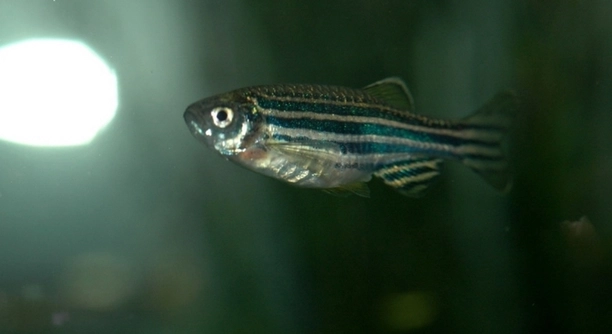
Aggressive behavior in Zebra Danios can disrupt the peaceful balance of your aquarium. Understanding how to safely manage these fish is essential for a harmonious aquatic environment. Proper handling is key to ensuring their well-being.
To remove aggressive Zebra Danios safely, isolate the fish in a separate tank or use a breeding box for short periods. This reduces stress and prevents injury to other tankmates. Ensure the water conditions are optimal to calm the fish.
By taking the right steps, you can maintain a peaceful tank while keeping your Zebra Danios safe and healthy.
Identifying Aggressive Behavior in Zebra Danios
Zebra Danios are typically peaceful, but they can sometimes show aggressive behavior, especially when they feel threatened or stressed. The most common signs of aggression include chasing, nipping, and harassing other fish. This behavior often occurs when the Danios are in a confined space or if the tank environment isn’t ideal. Aggression can also be triggered by overcrowding, competition for food, or the presence of other more territorial species. It’s important to closely monitor your fish and observe their behavior to ensure the health of the entire tank. Identifying these behaviors early can help prevent issues from escalating. In some cases, aggression might be a sign that the fish is not adjusting well to its environment, so it’s essential to address this as soon as possible.
Aggressive Zebra Danios may need to be separated from other fish to avoid harm. Isolation can help manage this behavior while keeping other tankmates safe.
Addressing aggression starts with identifying the root cause. Factors such as water conditions, overcrowding, and food competition can all play a role. If a Zebra Danio is constantly displaying aggressive tendencies, it may be a sign of underlying stress. Ensuring that the tank is spacious enough and well-maintained can often help reduce aggression. Additionally, providing hiding spots and plants in the aquarium gives the fish more areas to retreat to, which can help alleviate the stress that causes aggression. Feeding the fish regularly and ensuring that all species in the tank are compatible can help prevent these aggressive behaviors from escalating into fights.
Solutions to Manage Aggression
The key to solving aggression lies in proper management and understanding of the fish’s needs. Offering more space and hiding spots can make a big difference.
To manage aggressive Zebra Danios, it is important to make adjustments to the tank environment. Increasing the number of hiding spots, such as rocks and plants, can reduce stress and aggression. These fish thrive in well-maintained tanks with appropriate water conditions. Aggression is often reduced when they feel secure in their environment. Keeping the tank clean and monitoring water parameters such as pH, temperature, and oxygen levels is essential for promoting a calm atmosphere. Additionally, consider separating overly aggressive fish into a quarantine tank or using a breeding box. This temporary measure can help the fish calm down and minimize further conflict in the main tank.
The Role of Tank Size
The size of the tank plays a significant role in managing aggressive behavior in Zebra Danios. A cramped environment can increase stress, leading to more frequent aggression. Providing adequate space allows the fish to establish territories and reduce friction with other tankmates.
Zebra Danios thrive in larger tanks where they can swim freely without constant interference from other fish. A minimum of 10 gallons is recommended for a small group, with additional space for each additional fish. A larger tank reduces territorial disputes, giving each fish its own space. More space also means the water conditions remain stable for longer periods, preventing fluctuations that can lead to stress. If you’re noticing aggressive behavior, consider upgrading the tank size as a solution. Larger tanks help create a more balanced environment, promoting healthier interactions between your fish.
A bigger tank isn’t just about size; it’s also about the layout. Ensure there are enough plants and structures to break the line of sight between fish. This prevents direct confrontations and gives more options for the fish to escape from aggressive situations. With the right setup, aggression can be minimized, and your Zebra Danios will be able to live in peace.
Water Quality and Temperature
Water quality and temperature are critical factors in maintaining a peaceful tank. Poor water quality can cause stress, which in turn leads to aggression.
Zebra Danios are sensitive to changes in water conditions. Keeping the water clean and at the appropriate temperature is essential for their well-being. The ideal temperature range for Zebra Danios is between 65°F and 75°F (18°C-24°C). Sudden fluctuations can trigger stress and heighten aggression. Regular water changes, along with monitoring ammonia, nitrate, and nitrite levels, help maintain optimal water conditions. Proper filtration ensures the water stays clean, preventing buildup of harmful toxins.
In addition to regular water changes, consider using a water heater to maintain a consistent temperature. This stability is key in preventing stress-related behaviors. Keep an eye on the pH levels, too, as Zebra Danios prefer slightly alkaline water. If you’re noticing aggression, check the water parameters to ensure they are within the appropriate range. Balancing these factors will significantly reduce the likelihood of aggressive behavior in your Danios.
Tank Mates
Choosing the right tank mates is essential for reducing aggression in Zebra Danios. Avoid placing them with overly territorial or aggressive fish, as this can increase tension in the tank. Opt for peaceful, non-competitive species.
Zebra Danios generally do well with other non-aggressive fish. Species like guppies, tetras, and corydoras catfish make good companions. However, avoid placing them with larger or more aggressive fish that might bully them. Zebra Danios are social creatures and do better when kept in groups, so ensuring they have enough of their kind can also help reduce aggression. Always observe their behavior closely after introducing new fish to ensure a peaceful environment.
Feeding Habits
Zebra Danios can become aggressive over food, especially if there is competition. Providing enough food for all tankmates can reduce this stress.
Feeding Zebra Danios regularly, but not excessively, helps prevent food competition. Offering a variety of foods, like flakes and frozen options, ensures they are well-nourished. Use a feeding schedule to prevent overfeeding, as it can lead to aggression and water quality issues. Watch the fish closely during feeding time, and make sure all tankmates have access to food. This minimizes the chance of food-related disputes.
FAQ
How do I know if my Zebra Danios are fighting?
Zebra Danios typically exhibit signs of aggression like chasing, nipping, or constantly harassing other fish. If you notice one fish pursuing another, especially with rapid movements, or biting the fins of other tankmates, this is an indication of fighting. Frequent fin nipping can also cause long-term harm to the other fish, leading to health issues. Aggressive behavior is more common when the fish are stressed or in confined spaces. Observing these behaviors can help you determine if your Danios need to be isolated or if changes to the tank environment are necessary.
Can Zebra Danios live with other aggressive fish?
Zebra Danios are generally peaceful but can become stressed when housed with more aggressive species. It’s best to avoid placing them with fish that are territorial or overly competitive for food. Danios can handle some mild aggression but should be housed with fish that are similar in temperament. More aggressive fish can intimidate or harm them, leading to anxiety and stress. Choosing non-aggressive species like guppies or tetras is a safer bet. If you already have aggressive fish in the tank, consider separating them to maintain harmony.
How many Zebra Danios should I keep together?
Zebra Danios thrive in groups and are happier when kept in numbers of at least six or more. Keeping them in groups helps reduce stress and aggression by allowing them to form their own social structure. In smaller groups, they may become more skittish or aggressive, especially if there is an imbalance in the social hierarchy. More Danios in the tank means they will be less likely to focus aggression on each other. It also promotes natural behavior, such as schooling, which reduces stress and creates a peaceful environment.
What can I do if my Zebra Danios are still being aggressive?
If Zebra Danios continue to show aggression despite adjusting the tank size, water quality, and tank mates, consider separating the aggressive fish in a quarantine tank. This allows the other Danios and tankmates to remain undisturbed while giving the aggressive fish time to calm down. It’s also a good idea to reevaluate their diet and feeding routine, as hunger or competition can escalate aggressive behavior. Ensure the tank has plenty of hiding spots to give the fish options for retreating from confrontation. Gradually reintroducing the aggressive fish after a period of isolation may help resolve the issue.
What is the ideal tank size for Zebra Danios?
Zebra Danios require at least a 10-gallon tank for a small group, but larger tanks are preferable, especially if you plan to house multiple fish. A larger tank provides more space for the Danios to swim freely and establishes a balanced environment, reducing territorial behavior. It’s important that the tank is not overcrowded, as this can lead to stress and aggression. More space means better water circulation and improved water quality, both of which are essential for keeping Zebra Danios healthy. A well-sized tank also allows you to add more plants and hiding spots, which help reduce stress and aggression.
What water temperature is best for Zebra Danios?
Zebra Danios prefer water temperatures between 65°F and 75°F (18°C-24°C). Maintaining a consistent temperature within this range is crucial for preventing stress and aggression. Fluctuations in temperature can cause discomfort and may lead to aggressive behaviors as the fish become stressed. It’s recommended to use a heater if your room temperature fluctuates, especially during colder months. A water thermometer is also useful for keeping track of the temperature to ensure it stays within the desired range. Stable temperatures will help maintain a peaceful and healthy tank environment.
Can Zebra Danios be kept with other types of Danios?
Yes, Zebra Danios can be kept with other types of Danios, as they tend to get along well with each other. Species like the Pearl Danio or the Giant Danio can coexist peacefully with Zebra Danios, as long as the tank is large enough and there are plenty of hiding spots. Mixing Danio species creates a more dynamic and varied environment, which can be beneficial for all the fish. However, it’s important to ensure there is no overcrowding and that all species are compatible in terms of temperament. Aggressive behavior can still occur if space or resources are limited.
Why are my Zebra Danios swimming aggressively in circles?
If Zebra Danios are swimming aggressively in circles, it could indicate that they are stressed or uncomfortable in their environment. This behavior might occur if the tank is too small, there are too many fish, or if the water quality is poor. Fish may swim in circles or display erratic movements when they feel trapped or have limited swimming space. Check the water parameters, ensure there are no aggressive tankmates, and consider adding more plants or hiding spots. Providing more space and better water conditions will likely reduce this unusual behavior.
Can Zebra Danios become aggressive during breeding?
Yes, Zebra Danios may exhibit aggressive behaviors during breeding, particularly the males. Males will often chase each other and compete for the attention of the female. This behavior is natural and typically subsides once the breeding event is over. However, if aggression continues after breeding, it could be a sign of an imbalance in the tank environment. In such cases, separating the fish temporarily or adjusting the tank conditions may help alleviate the aggression. It’s important to monitor their behavior closely to ensure it doesn’t lead to long-term harm or stress.
What should I do if my Zebra Danios are not eating?
If your Zebra Danios are not eating, it may indicate stress, poor water quality, or an issue with their tankmates. Check the water parameters, as unhealthy water conditions can reduce their appetite. Also, ensure that the food you’re offering is suitable for their dietary needs. Try offering different types of food, like flakes, frozen foods, or live food, to see if they are more interested in a specific type. If the problem persists, isolate the fish and observe them for any signs of illness. Reducing stress and improving their environment can help restore their appetite.
Final Thoughts
Handling aggressive Zebra Danios in your tank requires a balanced approach. Understanding their behavior and needs can make a significant difference in keeping your tank peaceful. These fish are generally social and active, but like many species, they can become stressed or territorial if their environment isn’t ideal. A well-sized tank with appropriate tankmates, stable water conditions, and enough space can help prevent aggressive behavior. Keeping Zebra Danios in groups of at least six can also help reduce stress, as they feel safer and more secure when surrounded by their own kind.
If aggression does arise, there are simple steps you can take to address it. First, ensure that your tank is large enough for all the fish and has plenty of hiding spots to give the Danios a place to retreat. Avoid overcrowding, as this can lead to territorial disputes. Monitor the water quality regularly, as poor water conditions can contribute to stress, which may result in aggressive behavior. Offering a varied diet and ensuring that all fish are receiving enough food can also help reduce competition and aggression during feeding times.
If aggression continues despite making adjustments, it might be necessary to temporarily separate the more aggressive individuals or adjust the tank’s setup. Sometimes, simply rearranging the tank or adding more plants can help reduce territorial behavior. Remember that every tank is unique, and what works for one setup may not work for another. Regular monitoring and patience are key when it comes to keeping Zebra Danios, or any other fish, in a healthy and peaceful environment.

Hello,
If you enjoy the content that we create, please consider saying a "Thank You!" by leaving a tip.
Every little bit helps us continue crafting quality advice that supports the health, happiness, and well-being of pets around the world, for pets of all shapes, sizes, and species.
We really appreciate the kindness and support that you show us!