
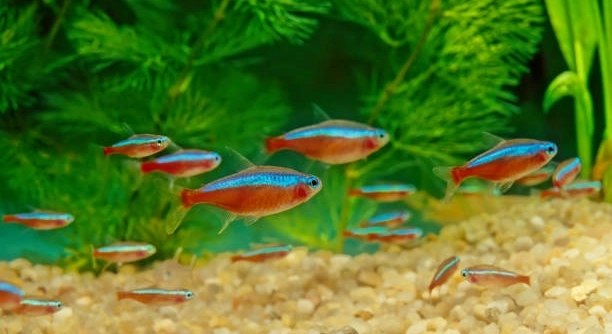
Neon Tetras are beautiful and popular fish in community tanks. Their vibrant colors and peaceful nature make them a great addition to any aquarium. However, they are sensitive to changes in water quality and conditions, making them vulnerable to diseases.
To reduce the risk of disease in a Neon Tetra community tank, focus on maintaining proper water conditions, good filtration, a balanced diet, and avoiding overcrowding. Regular tank maintenance and stress reduction are also crucial for healthy fish.
By following a few simple tips, you can provide a healthier environment for your Neon Tetras. These steps are essential for preventing common health issues and ensuring your fish thrive in their aquatic home.
Keep Water Quality Consistent
Maintaining good water quality is one of the most important steps to prevent disease in a Neon Tetra community tank. These fish are particularly sensitive to ammonia, nitrites, and nitrates, which can cause stress and weaken their immune systems. Regular water changes, ideally 25% every week, help remove toxins and replenish essential minerals. It’s also crucial to monitor water temperature and pH regularly to keep conditions stable. Avoid sudden changes in water parameters, as this can shock the fish and lead to illness.
Adding a quality filter to your tank helps maintain clean water. Be sure to clean it regularly, as dirty filters can cause harmful bacteria to grow. Keeping the tank at a stable temperature range of 72°F to 78°F will help your fish stay healthy. Additionally, using a water test kit will ensure that all key elements of water quality are in check.
Creating a consistent water environment prevents the development of harmful bacteria and parasites, reducing the risk of infection. Regular checks help you spot potential problems early, ensuring your fish remain healthy. Healthy water conditions allow Neon Tetras to thrive and avoid unnecessary stress.
Avoid Overcrowding
Overcrowding can create stress and poor water quality, both of which increase the likelihood of disease.
A tank that’s too crowded can lead to aggressive behavior and a higher risk of spreading infections. Always ensure there is enough space for each fish to swim comfortably. The general rule is 1 inch of fish per gallon of water.
Maintain a Balanced Diet
A proper diet is essential for the health of Neon Tetras. Overfeeding or giving them low-quality food can lead to obesity and digestive problems, weakening their immune system. Offer a variety of foods such as high-quality flakes, pellets, and occasional live or frozen foods like brine shrimp.
Feeding your Neon Tetras once or twice a day ensures they get the right nutrients. Remove any uneaten food within a few minutes to prevent water contamination. Over time, a balanced diet will keep their immune system strong and reduce their risk of disease. Healthy, well-fed fish are more resilient and less prone to illness.
By providing a variety of foods, you ensure your fish get all the vitamins and minerals they need. Their colors will stay vibrant, and their activity levels will remain high. Regularly changing their diet also mimics natural feeding behavior and improves their overall well-being.
Quarantine New Fish
Quarantining new fish before introducing them to the main tank is crucial to prevent the spread of disease.
If you introduce a sick fish to your community tank, it can quickly infect the rest. Set up a separate quarantine tank for at least 2-3 weeks before adding new fish. This gives you time to monitor their health and treat any potential issues.
During the quarantine period, observe the fish closely for signs of illness like lethargy, abnormal swimming, or faded colors. If any symptoms appear, treat them immediately. Quarantining ensures your main tank stays disease-free and prevents any harmful pathogens from spreading to your other fish.
Avoid Stress
Stress can make Neon Tetras more susceptible to disease. High levels of stress can be caused by poor water quality, overcrowding, or aggressive tank mates.
To minimize stress, ensure the tank has plenty of hiding spots and a peaceful environment. Monitor your fish for signs of stress, such as rapid breathing or unusual behavior. Reducing stress helps keep them healthy and less prone to illness.
Proper Filtration
A reliable filtration system is necessary to keep the tank clean and free from harmful toxins.
Choose a filter appropriate for your tank size and make sure it’s cleaned regularly. A good filter helps maintain stable water conditions and ensures your fish are not exposed to harmful substances. Keep your filter running at all times for optimal water quality.
Regular Maintenance
Regular tank maintenance is key to ensuring a healthy environment.
Perform weekly water changes, clean the substrate, and remove any debris. Test the water regularly for ammonia, nitrites, and nitrates. Ensuring your tank is consistently clean and stable helps prevent health issues and promotes the well-being of your Neon Tetras.
FAQ
How often should I change the water in a Neon Tetra tank?
You should change about 25% of the water in your Neon Tetra tank every week. Regular water changes help maintain stable water quality by removing toxins like ammonia and nitrates. This also replenishes essential minerals that the fish need to thrive. Make sure to use a water conditioner to neutralize chlorine and chloramine in tap water. Consistency in water changes is vital to prevent water quality issues that could harm your fish.
Can I keep Neon Tetras with other species?
Yes, Neon Tetras are peaceful fish and can live harmoniously with other non-aggressive species. Avoid pairing them with larger or more aggressive fish that might stress them. Suitable tank mates include other small, peaceful species like Corydoras catfish, Rasboras, and guppies. Always research the temperament and size of potential tank mates to ensure compatibility.
What is the ideal temperature for a Neon Tetra tank?
Neon Tetras thrive in water temperatures between 72°F and 78°F (22°C to 26°C). It’s important to maintain a stable temperature within this range. Sudden fluctuations can stress the fish, weakening their immune system. Using a reliable aquarium heater with a thermometer will help keep the water temperature consistent.
What should I feed my Neon Tetras?
Neon Tetras should be fed a varied diet of high-quality flake or pellet food. You can also supplement their diet with live or frozen foods such as brine shrimp or daphnia. Feed them once or twice a day, offering only as much food as they can eat in a few minutes. Avoid overfeeding to prevent water contamination and health issues.
How can I tell if my Neon Tetras are sick?
Signs of illness in Neon Tetras include faded colors, lethargy, abnormal swimming behavior (such as swimming upside down or near the surface), and lack of appetite. They might also show external signs like white spots, lesions, or clamped fins. If you notice any of these symptoms, it’s important to quarantine the sick fish and treat them as soon as possible.
Are Neon Tetras susceptible to specific diseases?
Neon Tetras can be prone to certain diseases, such as Neon Tetra Disease (NTD), which is caused by a parasite that affects the fish’s nervous system and causes unusual swimming and color loss. Other common issues include Ich (white spot disease), fin rot, and fungal infections. Good tank hygiene and reducing stress are key to preventing these diseases.
How long do Neon Tetras live?
Neon Tetras typically live for about 5 to 10 years with proper care. They are relatively long-lived compared to other small fish species, but their lifespan can be shortened if water quality is poor or if they experience frequent stress or disease. Providing them with stable, clean water and a balanced diet can help them live to their full potential.
What is the best way to prevent disease in a Neon Tetra tank?
To prevent disease in a Neon Tetra tank, ensure that the water quality is consistently good by performing regular water changes and monitoring for toxins. Quarantine new fish before adding them to your tank to prevent introducing pathogens. Avoid overcrowding, feed a balanced diet, and maintain a stress-free environment with suitable tank mates and hiding spots.
Can I treat Neon Tetras for diseases with over-the-counter medications?
Yes, many over-the-counter medications can be used to treat common fish diseases. However, it’s important to accurately diagnose the illness first. Medications for fungal, bacterial, or parasitic infections are available, but it’s always a good idea to consult an aquarium expert or veterinarian before starting treatment. Always follow the manufacturer’s instructions when using medications.
Do Neon Tetras need a filter in their tank?
Yes, Neon Tetras benefit from having a filter in their tank. A good filter helps keep the water clean and free of harmful waste products like ammonia and nitrates. It also provides aeration, which is important for oxygenating the water. Choose a filter that is suitable for the size of your tank, but avoid strong currents that might stress the fish. Regularly clean the filter to ensure it functions properly.
Can I use tap water for my Neon Tetra tank?
Yes, you can use tap water, but you must treat it to remove chlorine and chloramine, which are harmful to fish. A water conditioner can neutralize these chemicals. Additionally, test your tap water’s hardness and pH levels before adding it to the tank. If the water quality is poor, consider using filtered or distilled water to maintain optimal conditions for your fish.
Why are my Neon Tetras not eating?
If your Neon Tetras are not eating, it could be due to several factors. Stress from poor water quality, overcrowding, or aggressive tank mates can cause a loss of appetite. Illness or changes in the tank environment may also be the cause. Make sure the water is clean, the temperature is stable, and there are no signs of disease. If the problem persists, isolate the fish and consult an expert.
What is the best way to maintain a stable pH in a Neon Tetra tank?
Maintaining a stable pH is important for the health of your Neon Tetras. They prefer a slightly acidic to neutral pH, around 6.0 to 7.0. Regular water changes and using a quality filtration system can help maintain a stable pH level. Avoid using harsh chemicals to alter pH, as sudden changes can stress your fish. Testing the water regularly ensures you can address any imbalances promptly.
How can I ensure my Neon Tetras stay active and healthy?
To keep your Neon Tetras active and healthy, provide a spacious tank with plenty of plants and hiding spots. This helps reduce stress and encourages natural behaviors. Feed them a balanced diet, keep the water clean, and maintain proper temperature and pH levels. Regular observation will help you spot any potential health issues early.
Final Thoughts
Taking care of Neon Tetras in a community tank requires attention to detail, but it is not overly complicated. By ensuring stable water quality, maintaining a proper diet, and creating a stress-free environment, you can significantly reduce the risk of disease. Regular maintenance and monitoring are key to preventing health issues before they become serious. Small steps, like changing the water regularly and avoiding overcrowding, can go a long way in keeping your fish healthy and vibrant.
The health of your Neon Tetras depends on more than just water quality. It also involves monitoring the tank for any signs of stress or disease, adjusting feeding habits, and making sure their environment is peaceful. Using a quarantine tank for new fish is a simple yet effective way to prevent the spread of potential diseases. Consistently observing your fish will help you spot problems early, allowing you to address them before they affect the rest of the tank.
Overall, Neon Tetras are hardy little fish when provided with the right care. By following these tips and staying proactive about their needs, you create an environment where they can thrive. A healthy tank not only ensures your fish live long, happy lives but also makes for an enjoyable aquarium experience. Take your time to understand their needs, and you’ll enjoy the beauty of a healthy, disease-free Neon Tetra community tank.

Hello,
If you enjoy the content that we create, please consider saying a "Thank You!" by leaving a tip.
Every little bit helps us continue crafting quality advice that supports the health, happiness, and well-being of pets around the world, for pets of all shapes, sizes, and species.
We really appreciate the kindness and support that you show us!