
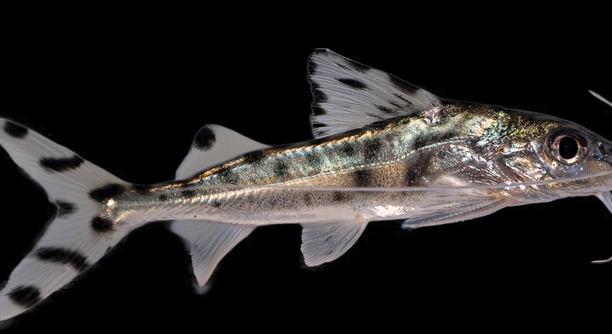
Keeping Pictus catfish healthy means paying close attention to their stress levels. Stress can affect their behavior, appetite, and overall well-being. Understanding how to reduce stress is important for any catfish owner.
Reducing stress in Pictus catfish involves maintaining clean water, providing hiding places, and ensuring a stable environment. These measures help lower stress and promote healthier, more active fish in captivity. Consistent care is key to their welfare.
Knowing these simple steps can improve your catfish’s life and help you enjoy a peaceful aquarium. Small changes can make a big difference in their comfort and health.
Creating a Calm Environment
Pictus catfish feel more relaxed when their tank environment mimics their natural habitat. They prefer dim lighting and plenty of hiding spots like caves, plants, or driftwood. These shelters give them a sense of security and reduce their anxiety. Avoid sudden changes in light or loud noises near the tank, as these can startle them easily. Keeping the water clean and maintaining stable temperature and pH levels is also crucial. Regular water changes help keep harmful toxins out of the water, making the fish feel safe. A quiet, calm room without frequent disturbances is best for their tank. By focusing on these details, the catfish will swim more freely and show less stress.
Providing hiding places and steady water conditions will help your Pictus catfish feel comfortable. These small adjustments lead to calmer behavior and better health overall.
Adjusting the tank’s setup may take some time, but the results are worth it. Watching your catfish explore and interact naturally is a sign they feel secure. Regularly check the environment and make changes if your fish seem restless or hide too much. Consistency in their surroundings helps build trust and reduce stress.
Proper Diet and Feeding Habits
Feeding Pictus catfish the right food at regular times is important for their well-being.
Pictus catfish need a varied diet including sinking pellets, live or frozen foods like bloodworms and brine shrimp. Overfeeding can cause poor water quality and stress, so feed them small amounts two to three times daily. Uneaten food should be removed quickly to avoid polluting the tank. A balanced diet strengthens their immune system and helps maintain energy. Feeding at the same times every day creates a routine, which reduces anxiety. Some owners find their catfish become more active and show better colors with proper feeding. Observing their eating habits will help you notice any stress signs early. Avoid sudden changes in diet to prevent digestive problems. Consistent, nutritious meals support overall health and minimize stress-related behaviors.
Monitoring Water Quality
Keeping water quality high is essential for Pictus catfish health. Regular testing for ammonia, nitrites, nitrates, and pH levels helps prevent stress caused by poor water conditions.
Poor water quality can quickly stress catfish, causing them to hide or lose appetite. Ammonia and nitrite levels should always be at zero, while nitrates need to stay low, ideally under 20 ppm. Maintaining a stable pH between 6.5 and 7.5 suits their needs best. Regular partial water changes, about 20-30% weekly, help remove toxins and keep the tank clean. Using a reliable water testing kit lets you catch problems early and act fast before your catfish show signs of stress or illness.
Filters also play a key role by removing waste and providing oxygen. Make sure the filter is appropriate for the tank size and cleaned regularly without disrupting beneficial bacteria. Aeration through air stones or plants can improve oxygen levels, which supports fish health. Stable water parameters keep your catfish comfortable and less prone to stress.
Tankmates and Social Behavior
Pictus catfish generally do well with peaceful tankmates and may enjoy the company of their own kind.
Choosing compatible tankmates helps reduce stress. Aggressive or very active fish can intimidate Pictus catfish and cause anxiety. Suitable companions include small tetras, rasboras, and other calm community fish. Avoid larger, aggressive species that may bully or compete aggressively for food. Keeping Pictus catfish in small groups of three or more encourages natural schooling behavior and lowers stress. Watch interactions closely to make sure no bullying occurs. A balanced community tank supports mental well-being and encourages natural behavior. When the fish feel safe around each other, their stress levels drop, improving overall health and tank harmony.
Handling and Maintenance
Handling Pictus catfish should be minimal to avoid stress. Use a soft net and move them gently when necessary.
Regular tank maintenance is important. Clean the substrate and remove uneaten food to keep the environment healthy and stress-free.
Signs of Stress in Pictus Catfish
Stress in Pictus catfish can show through changes in behavior or appearance. They may hide more often, swim erratically, or lose their appetite. Sometimes, their colors become dull or fins appear clamped. These signs indicate that the fish may be uncomfortable or unwell. Addressing water quality, tank setup, and diet often helps reduce stress.
Importance of Consistency
Keeping a regular routine with feeding, cleaning, and monitoring is key. Pictus catfish respond well to stable conditions and predictability. Sudden changes can increase stress and cause health issues.
FAQ
How often should I change the water in my Pictus catfish tank?
Regular water changes are vital to reduce stress and maintain healthy water conditions. A good rule is to change 20-30% of the water once a week. This helps remove waste, toxins, and excess nutrients that can build up and harm your fish. More frequent changes may be needed if the tank is small or heavily stocked. Always use dechlorinated water at the right temperature to avoid shocking your catfish.
What are the best hiding spots for Pictus catfish?
Pictus catfish feel safer with plenty of hiding places. Smooth caves, driftwood, and dense plants provide cover where they can rest and feel secure. Avoid sharp or rough decorations that might injure their delicate barbels. Using natural materials mimics their river habitat and reduces stress. Position hiding spots in different tank areas to allow your catfish to choose where they feel most comfortable.
Can Pictus catfish live alone?
While Pictus catfish can survive alone, they are social fish and tend to do better in groups of at least three. Being in a small group reduces stress by allowing natural schooling behavior. However, overcrowding should be avoided, as it can lead to competition and increased stress. Keeping them with peaceful tankmates also helps create a calm environment.
What signs indicate my Pictus catfish is stressed?
Stress signs include hiding more than usual, loss of appetite, rapid breathing, and clamped fins. Dull coloration and erratic swimming are also common. If your catfish shows these signs, check water quality, tank setup, and diet first. Stress weakens their immune system, making them more vulnerable to disease. Early attention to these symptoms improves recovery chances.
How important is water temperature for reducing stress?
Water temperature should be stable, ideally between 72°F and 79°F (22°C – 26°C). Sudden fluctuations can stress Pictus catfish and cause illness. Use a reliable heater and thermometer to keep the temperature consistent. Avoid placing the tank near windows or heating vents that cause temperature swings. Stable temperatures support healthy metabolism and behavior.
What should I feed my Pictus catfish to keep them healthy?
A varied diet is essential. Sinking pellets formulated for catfish, live or frozen bloodworms, brine shrimp, and occasional vegetables like blanched zucchini make good options. Feed small amounts two to three times a day to prevent overfeeding, which can pollute the tank. A balanced diet supports energy, growth, and stress resistance.
Can loud noises affect my Pictus catfish?
Yes, loud or sudden noises near the tank can startle Pictus catfish and raise stress levels. They are sensitive to vibrations and prefer quiet surroundings. Keeping the tank in a low-traffic area helps them feel safe. Avoid banging or tapping the glass, which can frighten them and cause erratic swimming.
Is it necessary to use a filter for Pictus catfish tanks?
A good filter is essential. It removes waste and toxins, circulates water, and helps maintain oxygen levels. Choose a filter suitable for your tank size that provides gentle flow, as strong currents can stress Pictus catfish. Regular cleaning of the filter media is important but avoid removing all beneficial bacteria at once.
How can I introduce new fish without stressing my Pictus catfish?
Introduce new fish slowly by quarantining them first to prevent disease. When adding them to the tank, rearrange decorations to disrupt existing territories and reduce aggression. Monitor fish closely during the first few days for signs of stress or bullying. Maintaining stable water conditions during introductions is critical.
What role does tank size play in reducing stress?
A larger tank provides more space for swimming and hiding, reducing competition and territorial behavior. For Pictus catfish, a tank of at least 30 gallons is recommended, especially if keeping multiple fish. Overcrowding leads to poor water quality and increased stress, so ensure enough space for each fish to thrive.
Final Thoughts
Reducing stress in Pictus catfish is important to keep them healthy and happy. Stress can make fish more likely to get sick and cause changes in their behavior. Simple steps like keeping the water clean, providing hiding spots, and feeding the right diet can make a big difference. When these needs are met, the catfish tend to be more active and show natural behaviors that make the tank more enjoyable to watch.
It is also important to keep the environment stable. Sudden changes in water temperature, lighting, or tankmates can cause stress quickly. Maintaining a consistent routine with feeding and cleaning helps your catfish feel secure. Small details, like using a gentle filter and avoiding loud noises near the tank, add to their comfort. Watching your fish daily can help you notice early signs of stress, such as hiding or loss of appetite, so you can act before problems get worse.
Overall, caring for Pictus catfish means paying attention to their environment and needs. The better the conditions, the less stress they experience, which leads to longer, healthier lives. Taking time to learn about their habits and providing the right care creates a peaceful home for your catfish. This simple approach benefits both the fish and the owner, making the aquarium a calm and enjoyable space.

Hello,
If you enjoy the content that we create, please consider saying a "Thank You!" by leaving a tip.
Every little bit helps us continue crafting quality advice that supports the health, happiness, and well-being of pets around the world, for pets of all shapes, sizes, and species.
We really appreciate the kindness and support that you show us!