
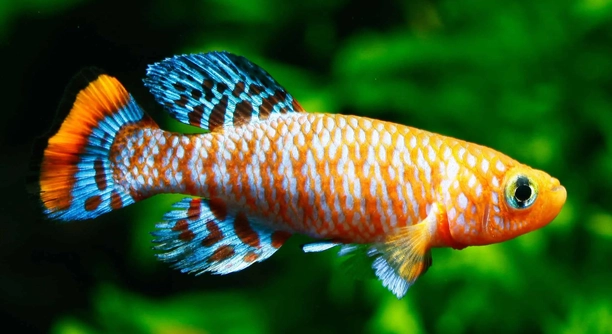
Do you ever find yourself worried about the water quality in your killifish tank, especially when nitrate levels start creeping up?
The most effective way to reduce nitrate levels for killifish is by performing regular water changes, maintaining live plants, and avoiding overfeeding. These steps help control waste buildup and support a stable, healthier aquatic environment.
Learning how to manage nitrate levels can make a big difference in your killis’ health and color. Let’s go over the steps.
Why High Nitrates Are a Problem for Killis
High nitrate levels can stress out your killifish and weaken their immune systems. Over time, this can make them more likely to get sick or lose their bright colors. In serious cases, too much nitrate can affect their breathing and even shorten their lifespan. Killifish are sensitive to changes in their environment, so keeping nitrate levels low is important if you want them to stay healthy. Uneaten food, decaying plants, and fish waste all add to the nitrate levels in the tank. Even if the water looks clear, that doesn’t always mean it’s safe. Regular testing with a liquid test kit is a good way to keep track. Once nitrates go above 20-40 ppm, your fish may start showing signs of stress, like clamped fins or slow swimming. Catching these changes early makes it easier to bring things back to normal before your fish start to suffer.
Killis come from clean waters in the wild, so they prefer low nitrate levels in captivity too.
If you’ve noticed that your fish seem less active or are hiding more than usual, it could be related to poor water quality. Clean water supports their overall health and helps them stay vibrant and active.
Simple Ways to Lower Nitrate Levels
The most reliable method is to change 20–30% of the tank water each week using treated, nitrate-free water.
Alongside regular water changes, you can also add live plants like hornwort, java moss, or water wisteria. These plants absorb nitrates naturally and grow well in most setups. Avoid overfeeding your fish, as uneaten food adds more waste to the tank. Stick to feeding small amounts they can eat in under two minutes. Another tip is to vacuum the gravel or substrate during water changes to remove built-up debris. If your tank has a sponge filter, rinse it gently in tank water—not tap water—during maintenance to keep helpful bacteria intact. Some aquarists also use nitrate-removing filter media, which can be helpful if your tap water already contains nitrates. Test your water weekly to monitor levels. If nitrates are still too high, increase water changes temporarily or check if there’s a dead plant or fish hiding somewhere. All of these steps work best when done consistently, rather than as one-time fixes.
How to Prevent Nitrates from Building Up
Prevention starts with keeping your tank clean and feeding only what your killis can eat. Too much food means more waste, which turns into nitrates. Sticking to a regular schedule helps keep everything in balance without adding extra stress.
Using live plants is a great long-term option for nitrate control. Fast-growing plants like hornwort, anacharis, and duckweed soak up excess nutrients, which keeps nitrate levels lower. You don’t need a heavily planted tank—just a few hardy species can make a noticeable difference. Also, avoid overcrowding the tank. Too many fish in a small space leads to higher waste levels. When cleaning the tank, use a gravel vacuum to remove hidden debris that may not be visible but still affects water quality. A consistent water change schedule every 7–10 days helps prevent buildups before they become a problem.
Always test your water before and after changes to track nitrate levels over time. This lets you know what’s working and what needs improvement. Even if everything looks fine on the surface, numbers tell the full story. Having a log of your test results helps catch patterns early. If your nitrates stay high, try spacing out feedings or reducing the number of fish slightly. Small changes make a big difference over time.
Common Mistakes That Raise Nitrates
Overfeeding is one of the most common mistakes. Even if it seems harmless, uneaten food sinks to the bottom and slowly breaks down, releasing nitrates into the water. Feed your killis once or twice a day in small amounts they can finish quickly.
Another mistake is skipping water changes or doing them too rarely. Even if the tank looks clear, waste still builds up and turns into nitrates. It’s also easy to forget about the filter. A clogged filter can’t process waste effectively, which leads to rising nitrate levels. Clean your filter regularly, but avoid washing it with tap water, as this kills helpful bacteria. Poor tank size choices can also lead to nitrate issues. A small tank fills up with waste faster, especially if it’s heavily stocked. Make sure the tank size suits the number of fish you keep. Lastly, using nitrate-rich tap water without testing it first can make things worse. Always check your source water before adding it to the tank.
Best Tools for Managing Nitrate Levels
A liquid test kit gives more accurate results than test strips and helps you monitor nitrate levels closely. Testing once a week lets you catch any spikes early before they become a problem for your killis.
A gravel vacuum removes trapped waste from the substrate during water changes. It’s a simple tool that prevents buildup over time and keeps the tank cleaner with minimal effort.
What to Do if Nitrates Stay High
If nitrate levels stay high even after water changes, increase the frequency and amount of water replaced. You can go up to 40% twice a week for a short time. Check for hidden waste like dead leaves or uneaten food, and remove it right away. Add more live plants if possible, or consider floating plants like duckweed that grow fast and absorb excess nutrients. Review your feeding schedule and reduce the amount if needed. Swap or rinse filter media if it’s too dirty but avoid removing beneficial bacteria. Use nitrate-removing filter pads as an extra boost, especially in smaller tanks.
Final Checks Before Adding New Killis
Test your tank water for nitrates, ammonia, and nitrites. Stable, low readings mean it’s safe to introduce new fish.
How often should I test nitrate levels in my killifish tank?
Testing nitrate levels once a week is usually enough to keep track of water quality. Regular testing helps you catch rising nitrates before they affect your fish. If you notice problems or your tank is new, test more often until conditions stabilize.
What is a safe nitrate level for killifish?
Keep nitrate levels below 20 ppm to ensure a healthy environment for your killifish. Levels between 20 and 40 ppm are acceptable short-term but should be lowered quickly. Anything above 40 ppm can stress your fish and lead to health issues over time.
Can live plants alone keep nitrate levels low?
Live plants help reduce nitrates by absorbing nutrients, but they usually aren’t enough on their own. Combining plants with regular water changes and good feeding habits is the best way to control nitrates effectively.
Why do nitrates keep rising even with water changes?
If nitrates rise despite water changes, there might be leftover food, dead plant matter, or waste trapped in the substrate. It’s also possible the filter is clogged or ineffective. Make sure you vacuum the gravel, clean the filter properly (without killing beneficial bacteria), and don’t overfeed your fish.
How much water should I change to reduce nitrates?
Changing 20 to 30% of the tank water weekly usually keeps nitrates in check. If levels are very high, you can increase to 40% twice a week temporarily. Avoid sudden, large water changes as they can stress your fish.
Is tap water safe for water changes?
Tap water often contains nitrates or chlorine, which can harm killifish. Always treat tap water with a water conditioner before adding it to your tank. Testing your tap water for nitrates can help you decide if additional filtration is needed.
Can filter media help reduce nitrates?
Some filter media are designed to remove nitrates chemically. These can be useful if your tap water has nitrates or if your tank struggles with buildup. However, they should be used alongside regular water changes and not as the only solution.
What role does feeding play in nitrate control?
Overfeeding is a main cause of nitrate buildup. Feed your killifish only what they can eat in two minutes, once or twice daily. Remove any uneaten food to prevent it from decomposing and increasing nitrates.
Are there signs my killifish are affected by high nitrates?
Yes. Signs include sluggish swimming, hiding, clamped fins, and faded colors. In severe cases, fish may stop eating or show signs of illness. Catching these symptoms early can prevent serious health problems.
Can I use nitrate-removing chemicals in my tank?
Yes, but use them carefully and only as a temporary fix. Chemicals can disrupt the tank’s natural balance if overused. Always combine them with good tank maintenance practices like water changes and cleaning.
How do I clean my filter without harming beneficial bacteria?
Rinse filter media gently in tank water during water changes. Avoid using tap water because chlorine kills helpful bacteria. Keeping bacteria alive is important for breaking down waste and controlling nitrate production naturally.
Does tank size affect nitrate buildup?
Smaller tanks tend to accumulate nitrates faster because waste concentrates in less water. Larger tanks dilute waste better but still need regular care. Always choose a tank size suitable for the number of fish you plan to keep.
Can I use distilled or reverse osmosis water to control nitrates?
Yes, using distilled or RO water for water changes ensures no nitrates are added from your source. Just remember to remineralize this water to keep it healthy for your killifish, as pure water lacks essential minerals.
How do live plants help besides absorbing nitrates?
Live plants improve oxygen levels and provide hiding spots for killifish. They also compete with algae for nutrients, keeping your tank cleaner and more balanced overall. Healthy plants create a more natural environment, which helps reduce stress for your fish.
Is it okay to mix nitrate-reducing methods?
Absolutely. Combining water changes, live plants, proper feeding, and filter maintenance works best to keep nitrate levels low. Relying on just one method usually isn’t enough to maintain a healthy tank over time.
What should I do if I find dead fish or plants in my tank?
Remove dead fish or decaying plants immediately. They break down quickly and cause nitrate levels to spike. Leaving them in the tank can harm water quality and put surviving fish at risk.
Can a bacterial supplement help with nitrates?
Some bacterial supplements claim to reduce nitrates by boosting beneficial bacteria. While they can help in some cases, they don’t replace regular tank care. Use supplements as an extra aid, not a solution on their own.
How long does it take to reduce high nitrate levels?
With proper water changes and care, nitrate levels can drop significantly within a few days. More stubborn cases may take a week or two of consistent maintenance. Patience and persistence are key to restoring water quality safely.
Is nitrate harmful to killifish eggs or fry?
Yes, high nitrate levels can damage developing eggs and fry, leading to poor hatching success or weak young fish. Keeping nitrates low is especially important when breeding or raising fry to ensure healthy growth.
Can aeration reduce nitrates?
Aeration improves oxygen levels but doesn’t reduce nitrates directly. However, good oxygenation supports beneficial bacteria that break down waste, indirectly helping maintain lower nitrates.
What’s the best way to log nitrate levels over time?
Keep a simple notebook or digital spreadsheet with dates and test results. Tracking this data helps identify trends and the effectiveness of your maintenance routine. Consistent records make it easier to adjust care when needed.
Keeping nitrate levels low is important for the health and well-being of your killifish. High nitrate levels can cause stress and lead to illness, so managing them carefully will help your fish live longer and look their best. The key is regular maintenance, including water changes, proper feeding, and cleaning. By sticking to these simple steps, you create a stable environment where your killis can thrive. It might take some effort, but the results are worth it when you see your fish swimming happily and showing their true colors.
Using live plants is a helpful addition to nitrate control. Plants naturally absorb nutrients from the water, including nitrates, which helps keep the tank cleaner. They also add beauty and provide hiding spots, making the environment more natural for your fish. However, plants alone are not enough to solve nitrate problems. Combining plants with regular water changes and careful feeding is the best way to keep nitrate levels in check. Remember that even the best-planted tank still needs regular care to prevent waste buildup.
Monitoring your water regularly with test kits is a simple way to stay on top of nitrate levels. Testing once a week lets you catch any rising nitrates before they harm your fish. If nitrate levels do get too high, increasing the frequency of water changes and checking for hidden waste can bring things back under control. Keeping a log of your test results helps you see patterns and improve your care routine over time. With consistent attention, managing nitrate levels becomes easier and keeps your killifish healthy and happy.

Hello,
If you enjoy the content that we create, please consider saying a "Thank You!" by leaving a tip.
Every little bit helps us continue crafting quality advice that supports the health, happiness, and well-being of pets around the world, for pets of all shapes, sizes, and species.
We really appreciate the kindness and support that you show us!