
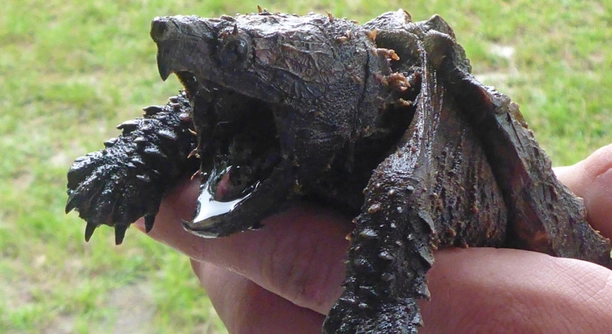
Alligator snapping turtles are known for their unique appearance and behavior. However, some of them can exhibit aggressive tendencies that are difficult to manage. Learning how to reduce this behavior can make them easier to care for.
To reduce aggressive behavior in alligator snapping turtles, provide them with proper habitat conditions, ensure a balanced diet, minimize stressors, and establish a consistent feeding routine. Additionally, handling them minimally and offering hiding spots can help calm them down.
Understanding the steps to reduce aggression will help you create a peaceful environment for your turtle and make caring for it more manageable.
Providing a Proper Habitat for Your Alligator Snapping Turtle
A proper habitat plays a crucial role in reducing aggression in alligator snapping turtles. These turtles require ample space to move around and access to both land and water. Ensure that your turtle’s enclosure mimics its natural environment as closely as possible, with a large tank that has enough room for swimming and climbing. The water should be kept at the appropriate temperature, and there should be areas where the turtle can bask. The right setup helps keep your turtle comfortable and reduces the stress that might lead to aggression.
Incorporate plenty of hiding spots and shelters within the enclosure. These spaces provide security and allow your turtle to retreat when it feels threatened. Keep the habitat clean and free of unnecessary clutter, as too much debris can make the turtle feel overwhelmed.
A well-maintained habitat gives your turtle a sense of safety and allows it to express natural behaviors. Reducing stress through a suitable environment is a simple yet effective step in calming aggressive tendencies.
Providing a Balanced Diet
A well-balanced diet is vital for maintaining a turtle’s overall health and reducing aggression.
Ensure your turtle receives a variety of foods, including protein sources like fish, worms, and insects, as well as vegetables. A lack of proper nutrition can lead to irritability or other behavioral problems. Offer fresh food regularly, and avoid overfeeding to prevent obesity, which can stress the animal.
Keeping a consistent feeding schedule will help your turtle feel more secure. Alligator snapping turtles are naturally opportunistic eaters, so feeding them at the same time each day can promote calmness. If your turtle isn’t fed consistently, it may become more defensive or agitated around food. Additionally, make sure to vary its diet to provide all the necessary nutrients.
Minimizing Stressors in the Environment
Stress is a significant factor contributing to aggression in alligator snapping turtles.
Any changes in the turtle’s environment, such as loud noises, unfamiliar people, or too much handling, can increase stress. Avoid sudden movements or noises around their enclosure. Ensure that their environment is quiet and calm. Keeping the surroundings consistent will help the turtle feel more secure, reducing the chances of aggressive behavior.
Another way to reduce stress is to keep the enclosure in a low-traffic area. Too much activity around the turtle can make it feel vulnerable and defensive. By maintaining a peaceful atmosphere, your turtle will likely become more relaxed and less prone to aggression.
Establishing a Consistent Feeding Routine
Feeding routines are essential for maintaining stability in your turtle’s life.
Turtles thrive on predictability, and a set feeding schedule helps them feel safe. Establish a consistent time each day to feed your turtle and stick to it. This routine helps minimize stress and ensures that your turtle is calm during meal times. Over time, it will associate feeding time with comfort and security, making it less likely to display aggressive behavior.
A consistent routine also allows you to monitor your turtle’s health more effectively. If your turtle begins to act aggressively or refuses food, it could be a sign of an underlying issue, such as stress or illness. Keeping a regular feeding pattern lets you notice any changes early.
Handling Your Alligator Snapping Turtle Minimally
Handling your alligator snapping turtle too often can trigger aggressive behavior.
These turtles are naturally solitary and may see excessive handling as a threat. Only handle them when absolutely necessary, such as for cleaning or medical care. When you do handle them, be gentle and avoid stressing them out with rough movements.
By minimizing handling, your turtle can feel more secure in its environment. This reduces the likelihood of aggression and allows it to maintain its natural behavior without feeling threatened.
Providing Adequate Hiding Spots
Hiding spots are crucial for your turtle’s well-being.
Make sure there are plenty of shelters or caves where your turtle can retreat when it feels stressed. These spaces give the turtle a sense of security, allowing it to escape from any perceived threats. They are especially important when the turtle feels overwhelmed by its surroundings.
Creating a Comfortable Water Temperature
Water temperature directly impacts your turtle’s comfort level.
Alligator snapping turtles require warm water to stay active and healthy. Ensure the water is kept within a range of 72 to 78°F (22 to 26°C). If the water is too cold, your turtle may become sluggish or stressed, leading to aggressive tendencies.
FAQ
What causes aggression in alligator snapping turtles?
Aggression in alligator snapping turtles can be caused by several factors, including improper habitat conditions, stress, poor diet, and overhandling. When they don’t feel secure in their environment or aren’t receiving proper care, they may become defensive or territorial. Aggression is often a response to feeling threatened or uncomfortable.
How can I tell if my alligator snapping turtle is stressed?
Signs of stress in alligator snapping turtles include hiding for extended periods, loss of appetite, lethargy, and aggression. They may also act more skittish or defensive when you approach them. If you notice these behaviors, it’s important to assess their environment for potential stressors such as loud noises, overcrowding, or improper water conditions.
Can alligator snapping turtles live with other turtles?
Alligator snapping turtles are solitary creatures by nature. While some turtles can cohabit peacefully, alligator snapping turtles are generally not suitable for tank mates due to their territorial behavior. They may become aggressive towards other turtles, especially during feeding times or if they feel their space is being invaded. It’s best to house them individually.
What should I feed my alligator snapping turtle?
Alligator snapping turtles are carnivorous and require a diet rich in protein. Their diet can include fish, worms, insects, and small amphibians. Vegetables, such as leafy greens, can be added occasionally for variety. Make sure to offer a well-balanced mix to meet their nutritional needs. Avoid overfeeding, as this can lead to health issues.
How often should I feed my alligator snapping turtle?
Young alligator snapping turtles should be fed every other day, while adults typically only need feeding two to three times per week. Overfeeding can lead to health problems like obesity, which can increase stress and aggression. Keep a consistent feeding schedule to reduce anxiety around food time.
How can I calm down an aggressive alligator snapping turtle?
To calm an aggressive alligator snapping turtle, ensure it has a comfortable and safe environment. Provide hiding spots, keep the water temperature within the right range, and avoid excessive handling. Feeding it on a regular schedule can help reduce anxiety and make the turtle feel more secure. In some cases, leaving it alone for a while may help, as aggressive behavior often stems from stress.
Should I try to handle my alligator snapping turtle if it’s aggressive?
Handling an aggressive alligator snapping turtle should be avoided unless absolutely necessary, such as during a health check. These turtles are very defensive and can cause injury with their powerful jaws. If you must handle them, do so gently and calmly to avoid further stress or aggression.
Can I train my alligator snapping turtle?
While you can’t train alligator snapping turtles in the same way you would train a dog, they can be conditioned to respond to certain stimuli. For example, they can learn to associate feeding times with a specific routine, but they won’t perform tricks like other pets. The focus should be on providing an environment where they feel safe and secure.
What temperature should the water be for an alligator snapping turtle?
The water temperature for an alligator snapping turtle should be maintained between 72 and 78°F (22 to 26°C). Water that is too cold can make the turtle sluggish and increase the risk of illness, while water that is too hot can cause stress. A reliable aquarium heater and thermometer are essential for maintaining the proper temperature.
How big of an enclosure does an alligator snapping turtle need?
Alligator snapping turtles require a large enclosure, especially as they grow. For an adult, a tank that holds at least 100 gallons of water is recommended. They need plenty of room to swim and move around, as well as areas to bask and hide. The larger the tank, the better it will be for their health and behavior.
How do I know if my alligator snapping turtle is healthy?
Healthy alligator snapping turtles are active, have clear eyes, and eat regularly. They should swim and dive with ease and avoid remaining in the same spot for too long. If your turtle is frequently lethargic, refuses food, or shows signs of injury, it’s important to consult with a vet who specializes in reptiles.
Do alligator snapping turtles need UVB light?
Yes, alligator snapping turtles need access to UVB light for their overall health. UVB helps them synthesize vitamin D3, which is crucial for calcium metabolism and shell health. A proper UVB light should be provided for 10-12 hours a day, and it should be replaced regularly as it loses effectiveness over time.
How long can alligator snapping turtles live?
Alligator snapping turtles have a long lifespan, typically living anywhere from 30 to 50 years in captivity, with some even reaching over 100 years in the wild. They require long-term care, so it’s important to be prepared for the commitment involved in owning one of these turtles.
Do alligator snapping turtles bite?
Yes, alligator snapping turtles can bite, and they have very powerful jaws. They usually bite when they feel threatened, especially if they are handled too much or feel cornered. Always handle your turtle with care and avoid putting your hands too close to its mouth to reduce the risk of a bite.
Can I put my alligator snapping turtle outside?
Yes, you can put your alligator snapping turtle outside in a secure, fenced enclosure, but only if the weather conditions are suitable. Make sure the enclosure has both land and water areas, and that the water stays within the proper temperature range. Never leave your turtle unsupervised outside, as it could become a target for predators or escape.
Final Thoughts
Alligator snapping turtles are unique creatures that require specific care to thrive. They may appear intimidating due to their aggressive behavior, but with the right approach, their aggression can be managed. The key lies in providing a calm, secure environment, meeting their physical and emotional needs, and respecting their natural behaviors. By following the steps outlined, such as maintaining the right habitat, feeding schedule, and handling practices, you can reduce stress and aggression. These turtles are naturally solitary, so minimizing handling and providing hiding spots will help them feel safe and comfortable.
While alligator snapping turtles are relatively low-maintenance once their environment is set up correctly, it’s important to understand that they have very specific needs. These turtles are territorial and may react defensively if they feel threatened, which includes feeling cornered or disturbed too much. Stress and discomfort can trigger aggressive behaviors, so ensuring their habitat is peaceful and secure is crucial for their well-being. Proper diet and water temperature also play important roles in keeping them healthy and less likely to act aggressively.
In conclusion, owning an alligator snapping turtle requires patience and attention to detail. They may be tough on the outside, but with proper care and understanding, they can become fascinating pets. Whether you’re keeping one for its unique appearance or simply because you enjoy the challenge, managing aggression in these turtles is very achievable. By respecting their nature and providing a suitable environment, you’ll not only help them stay calm but also create a better relationship between you and your turtle.

Hello,
If you enjoy the content that we create, please consider saying a "Thank You!" by leaving a tip.
Every little bit helps us continue crafting quality advice that supports the health, happiness, and well-being of pets around the world, for pets of all shapes, sizes, and species.
We really appreciate the kindness and support that you show us!