
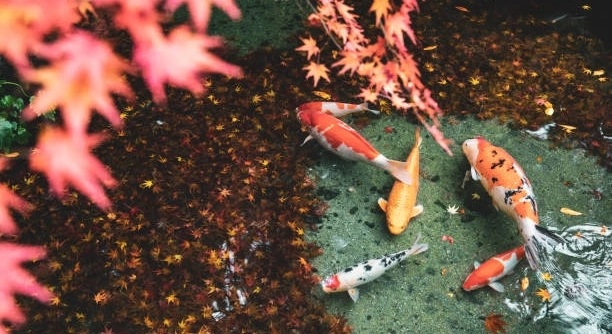
Koi ponds bring beauty and calm to many outdoor spaces. However, sudden changes in water conditions or stress can cause koi pond shock, which affects the health of the fish. Recognizing the signs early is important to protect them.
Koi pond shock occurs when fish experience rapid environmental changes, leading to stress and physical symptoms such as lethargy, clamped fins, rapid breathing, and loss of appetite. Early detection and prompt response are essential to minimize harm and support recovery.
Knowing how to identify these signs can help maintain a healthy pond environment and improve the chances of recovery for affected koi. This article will guide you through the key indicators and practical steps to take.
Common Causes of Koi Pond Shock
Koi pond shock often results from sudden changes in water quality or temperature. These changes can occur after heavy rain, adding new fish, or cleaning the pond without proper preparation. Chemicals like chlorine or ammonia also pose risks when water is not properly treated. Poor filtration or overcrowding can increase stress on koi, making them more vulnerable to shock. Even rapid changes in oxygen levels can cause discomfort. Understanding these factors helps in preventing stress and keeping the pond stable. Regular testing of water parameters and gradual adjustments are necessary to avoid abrupt shifts. Fish can be sensitive to even small variations, so careful monitoring is key. Taking steps to maintain a balanced environment reduces the chances of shock and supports healthy koi behavior.
Preventing sudden environmental changes is essential for koi health and pond stability.
Attention to water quality, temperature control, and pond maintenance routines can greatly reduce the risk of shock. Consistent care and observation are critical in minimizing stress and ensuring your koi remain healthy. Simple actions like slow water changes and proper aeration make a significant difference. Avoiding overcrowding and quarantining new fish before introducing them to the pond also helps maintain balance. Pond care is ongoing, but with these practices, shock incidents can be kept to a minimum.
Recognizing Physical Signs of Shock
Visible symptoms often signal that koi are under stress.
Lethargy is common; koi may stay near the surface or hide. Clamped fins, where fins are held close to the body, indicate discomfort. Gasping at the water’s surface suggests low oxygen levels. Loss of appetite and erratic swimming are also warning signs. Skin discoloration or sudden mucus buildup might appear. These signs require immediate attention. Observing fish behavior daily is important to catch issues early. Sometimes symptoms can mimic other illnesses, so careful assessment is necessary. Prompt response to these signs can prevent more serious health problems. Early intervention improves the chance of recovery and helps restore pond balance.
Consistent observation of koi behavior is the best way to detect shock before it worsens.
Immediate Steps to Take When You Notice Shock
Act quickly once signs of shock appear. Remove any sources of stress, such as sudden temperature changes or poor water quality.
Increase aeration to improve oxygen levels in the pond. Partial water changes can help dilute toxins but avoid changing too much at once to prevent further shock. Use a water conditioner if chlorine or ammonia is present. Isolate affected fish if possible to monitor recovery and prevent spreading potential illness.
Maintain stable water temperature and avoid feeding until koi show signs of improvement. Monitor the pond daily for changes in behavior or symptoms. Providing a calm and clean environment supports recovery. Consistency in water quality and care helps reduce ongoing stress and aids the healing process.
Preventing Koi Pond Shock in the Future
Regular water testing is key to prevention. Monitor pH, ammonia, nitrite, nitrate, and temperature frequently.
Create a maintenance schedule to keep water parameters stable and the pond clean. Avoid sudden water changes and introduce new fish slowly, quarantining them first. Proper filtration and aeration systems reduce stress on koi. Manage feeding to avoid overfeeding, which can affect water quality. Keeping the pond environment balanced through routine care helps koi stay healthy and less prone to shock. Consistent observation and early action at any sign of change will protect your pond in the long term.
Common Mistakes That Worsen Shock
Overreacting with large water changes can stress koi further. Avoid sudden temperature shifts when adjusting pond conditions.
Ignoring early signs delays treatment and increases risks. Consistent monitoring helps prevent worsening of the problem.
How to Use Water Testing Kits Effectively
Water testing kits provide quick readings for key pond parameters like pH, ammonia, and nitrite. Use test strips or liquid kits according to instructions. Test water frequently, especially after rain or adding new fish. Record results to track trends and detect sudden changes early. Maintaining ideal water conditions minimizes shock risk. Adjust treatments based on results to keep the environment stable. Reliable testing is essential for healthy koi and overall pond balance.
Signs That Require Professional Help
Severe symptoms or lack of improvement after treatment should prompt consultation with an aquatic veterinarian.
FAQ
What causes koi pond shock?
Koi pond shock is caused by sudden changes in the pond environment. This includes rapid shifts in water temperature, poor water quality, or the introduction of harmful chemicals like chlorine or ammonia. Stress from overcrowding or adding new fish without proper quarantine can also trigger shock. These changes disturb the koi’s balance and affect their health.
How can I tell if my koi are in shock?
Common signs include lethargy, clamped fins, rapid breathing, and loss of appetite. You might notice koi hiding or staying near the water surface, gasping for air. Erratic swimming or unusual skin discoloration also indicates distress. Observing your fish regularly helps spot these symptoms early.
What should I do immediately if I suspect koi shock?
Start by improving water oxygen levels with extra aeration. Perform a partial water change, but avoid drastic changes that could worsen the shock. Use a water conditioner to remove harmful chemicals if necessary. Isolate sick fish if possible to monitor their recovery.
How often should I test pond water to prevent shock?
Testing water weekly is a good practice. After weather changes, heavy rain, or adding new fish, test more frequently. Monitor pH, ammonia, nitrite, nitrate, and temperature closely. Keeping these stable is key to avoiding shock.
Can stress from overcrowding cause shock?
Yes. Overcrowding increases waste and reduces oxygen levels. It also causes competition and stress among koi. This weakens their immune system and makes them prone to shock. Maintain proper stocking levels based on pond size.
Is it safe to add new fish directly to the pond?
No. New fish should be quarantined for at least two weeks before introduction. This reduces the risk of disease and stress. Quarantine also helps monitor for signs of illness or shock, protecting existing fish.
What role does water temperature play in koi shock?
Koi are sensitive to sudden temperature changes. Rapid drops or rises stress their metabolism and immune system. Ideal temperature range is usually between 59°F and 77°F (15°C to 25°C). Avoid adding cold water quickly or exposing fish to direct heat.
How long does koi shock last?
The duration depends on severity and how quickly treatment starts. Mild cases may improve within a few days, while severe shock can last longer or cause lasting damage. Early detection and proper care improve recovery chances.
Can feeding koi during shock worsen their condition?
Yes. When koi are stressed, their digestion slows, and feeding can add more strain. It’s best to withhold food until koi show normal behavior and appetite. Overfeeding can also degrade water quality.
Are there specific treatments for koi pond shock?
There is no single treatment. Focus on stabilizing water quality, increasing oxygen, and reducing stressors. In some cases, medications may be necessary if secondary infections develop. Consult a professional if unsure.
How can I prevent koi pond shock in the future?
Maintain consistent water quality through regular testing and proper filtration. Avoid sudden environmental changes. Quarantine new fish and limit overcrowding. Gradual water changes and temperature adjustments reduce shock risk.
When should I contact a veterinarian?
Seek professional help if symptoms worsen or don’t improve within a few days. Also consult a vet if koi show signs of infection or injury. Proper diagnosis ensures effective treatment.
Can natural plants in the pond help reduce shock risk?
Yes. Plants improve oxygen levels and provide hiding places, reducing stress. They also help maintain water quality by absorbing excess nutrients. A balanced pond ecosystem supports healthier koi.
Is it safe to use tap water directly for water changes?
Tap water often contains chlorine and chloramine, which are harmful to koi. Always treat tap water with a conditioner before use. Letting water sit for 24 hours to off-gas chlorine is less reliable than chemical treatment.
What are the signs that shock is improving?
Koi begin to swim normally, eat again, and show brighter coloration. Fins open fully, and breathing slows to a steady pace. Reduced hiding and increased activity indicate recovery.
How can I reduce stress during pond maintenance?
Perform water changes slowly and avoid cleaning the entire pond at once. Use gentle handling when moving fish. Maintain consistent temperatures and avoid loud noises or vibrations near the pond during maintenance.
Does sudden weather change affect koi health?
Yes. Heavy rain or sudden cold fronts can alter water temperature and chemistry quickly, causing shock. Monitoring weather and adjusting pond care can reduce this impact.
Is adding salt helpful during koi shock?
Low concentrations of salt can reduce stress and help with minor infections. However, use salt carefully as excessive amounts can harm pond plants and beneficial bacteria. Follow guidelines for proper dosing.
Can koi die from untreated shock?
Unfortunately, yes. Without intervention, prolonged shock weakens koi and leads to fatal complications like infections or organ failure. Early recognition and treatment are essential to prevent loss.
What role does pond filtration play in preventing shock?
Effective filtration removes waste and harmful chemicals, stabilizing water quality. A well-maintained filter reduces toxins and supports beneficial bacteria, creating a healthier environment that prevents shock.
How do I manage pond oxygen levels during summer?
Warm water holds less oxygen, increasing risk of shock. Use aerators or fountains to keep oxygen levels high. Adding floating plants can also provide shade and reduce water temperature.
Are some koi breeds more sensitive to shock?
Certain breeds may be more sensitive due to size or coloration. However, all koi benefit from stable conditions. Tailoring care to specific breeds can improve overall resilience.
Can shock affect koi long-term?
Yes. Prolonged or repeated shock episodes can weaken immune systems and stunt growth. It increases vulnerability to diseases. Maintaining stable conditions minimizes long-term damage.
Final Thoughts
Recognizing and responding to koi pond shock is essential for maintaining a healthy pond environment. Sudden changes in water quality, temperature, or other stress factors can quickly affect koi health. Early detection and proper care reduce the risk of serious harm and help koi recover faster. Keeping a close eye on behavior and physical signs allows prompt action. This attentiveness is a key part of responsible pond management.
Prevention plays a significant role in minimizing the chance of shock. Maintaining stable water parameters through regular testing and proper filtration helps create a consistent environment for koi. Avoiding overcrowding and quarantining new fish before introduction further protect the pond’s balance. Gradual changes during pond maintenance and feeding routines also support koi well-being. Consistent pond care reduces stress and strengthens the fish’s natural defenses.
Pond owners who take these measures will find their koi more resilient and less likely to experience shock. When problems do arise, addressing them quickly and calmly improves outcomes. Using aeration, partial water changes, and careful observation supports recovery. If symptoms persist, seeking professional advice ensures the best care. With steady attention and good practices, koi can thrive in a balanced, healthy pond environment for years to come.

Hello,
If you enjoy the content that we create, please consider saying a "Thank You!" by leaving a tip.
Every little bit helps us continue crafting quality advice that supports the health, happiness, and well-being of pets around the world, for pets of all shapes, sizes, and species.
We really appreciate the kindness and support that you show us!