
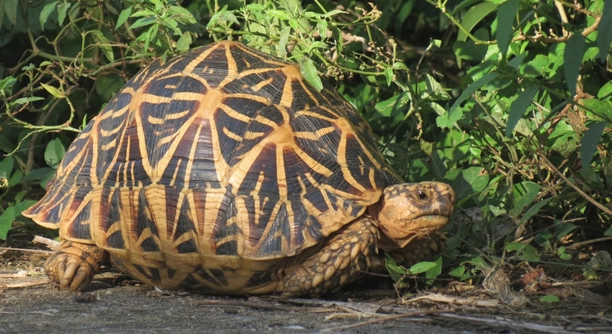
Indian Star Tortoises are fascinating creatures, but like any pet, they can be prone to health issues. Recognizing parasites early can make a huge difference in their well-being. Understanding the signs is important for every owner.
Parasites in Indian Star Tortoises are common, and recognizing their presence is essential for their health. Symptoms like lethargy, weight loss, or abnormal behavior can indicate parasitic infection. A proper diagnosis from a vet is always recommended.
Early identification of parasites ensures better care and prevention. Knowing the signs will help you take immediate action, keeping your tortoise healthy and happy. Let’s look at some of the most common indicators.
Common Signs of Parasites in Indian Star Tortoises
One of the first signs that something may be wrong with your Indian Star Tortoise is a change in their behavior. If your tortoise is usually active and suddenly becomes lethargic, it could be due to a parasitic infection. Parasites can cause your tortoise to feel weak, affecting their ability to move around as usual. Weight loss is another key symptom. Despite maintaining their normal diet, a parasitic infection might prevent your tortoise from absorbing nutrients, leading to a noticeable decrease in body weight. In addition, abnormal stool—either diarrhea or very dry, hard stools—can also point to parasites.
If you notice any of these changes in your tortoise, it’s important to act quickly. Taking them to the vet for a proper diagnosis is essential to determine whether parasites are the cause.
Parasites can also cause your tortoise to develop shell deformities or irregularities. The stress from the infection affects their growth, leading to changes in their outer appearance. If these signs are caught early, you can prevent lasting damage.
Abnormal Eating Habits in Tortoises
Parasites can greatly influence your tortoise’s appetite. If they start refusing food or eating less than usual, it’s another indicator that something may be wrong. Some parasites may directly affect the digestive system, leading to discomfort or pain when eating.
Parasites disrupt the tortoise’s normal digestion, making them feel full or bloated after consuming even small amounts of food. This causes them to lose interest in food. This loss of appetite is especially concerning if it continues for several days. Tortoises are known for their steady appetite, so any drastic changes should not be ignored.
If the reduced appetite is combined with other symptoms such as weight loss or lethargy, it’s essential to seek veterinary care. A vet can help identify the exact problem and provide the appropriate treatment. Early intervention can help prevent serious long-term effects on your tortoise’s health.
Weight Loss and Poor Shell Growth
A noticeable decrease in weight can signal parasitic infections. If your tortoise is losing weight despite eating regularly, it could be a sign that parasites are interfering with digestion or nutrient absorption. This issue often leads to a weak or underdeveloped appearance.
Poor shell growth is another sign that parasites may be to blame. The shell relies on proper nutrition for healthy development, and parasites can hinder this process. A tortoise that is not gaining weight or growing its shell properly might be struggling with a parasite infestation. Without proper care, this can lead to permanent deformities over time.
Addressing weight loss and poor shell growth early can prevent long-term health problems. Regular checkups with a vet and monitoring for any changes can help you catch these signs before they worsen. Timely intervention ensures that your tortoise has a better chance of recovery.
Respiratory Issues in Tortoises
If your tortoise begins showing signs of respiratory problems, such as wheezing or labored breathing, parasites could be the cause. Respiratory infections are often linked to parasitic infections, as some parasites affect the lungs or airways.
Infected tortoises may develop a runny nose, coughing, or an abnormal sound when they breathe. These symptoms can worsen quickly and lead to more serious health concerns. A tortoise’s immune system might become weak from the stress caused by parasites, making them more susceptible to respiratory infections.
If you notice any of these signs, it’s essential to take immediate action. Respiratory issues can escalate rapidly and lead to severe complications. Seeking veterinary care will help confirm the cause and ensure proper treatment.
Abnormal Stool
Changes in your tortoise’s stool can be a clear indicator of parasitic infection. If the stool becomes unusually runny or extremely dry, this may signal that something is wrong. Pay attention to the frequency and consistency of their bowel movements for clues.
Parasites can cause diarrhea or overly firm stools. Diarrhea may result from the digestive system being overwhelmed or infected. On the other hand, extremely hard stool can be a sign of dehydration caused by parasitic stress. If these changes persist, it’s crucial to consult a vet for proper care.
Skin Issues and Sores
Parasites can sometimes cause skin problems, such as rashes or sores. These issues may appear as small, scab-like patches or irritations on your tortoise’s skin. Skin infections are common in tortoises dealing with parasitic infestations.
Parasites weaken the immune system, making the tortoise more vulnerable to external infections. The skin, which is already under stress, can develop painful sores. These issues need immediate attention to prevent further complications. Always keep an eye on the skin for unusual changes or damage.
FAQ
What are the most common parasites that affect Indian Star Tortoises?
Indian Star Tortoises can suffer from various parasites, including external ones like mites and ticks, as well as internal ones like roundworms, hookworms, and protozoa. These parasites can cause different health problems, from skin issues to digestive troubles. Mites and ticks tend to affect the skin, while internal parasites like worms impact digestion, often leading to weight loss or a lack of appetite. Knowing the type of parasite can help determine the best course of action for treatment.
How can I prevent parasites in my Indian Star Tortoise?
Regular cleaning of your tortoise’s habitat is the first step in preventing parasites. Make sure to disinfect the enclosure and remove any uneaten food. This helps reduce the chances of parasites taking hold. Additionally, avoid exposing your tortoise to wild animals or environments where parasites are common. A balanced diet that includes plenty of fiber and proper hydration also strengthens their immune system, helping them fight off potential infestations. Regular vet checkups and fecal exams will catch parasites early.
How do I know if my tortoise has a parasite infection?
Look out for changes in your tortoise’s behavior and physical appearance. If they become lethargic, stop eating, or lose weight, this may signal an infection. Abnormal stool, such as diarrhea or very dry, hard droppings, is another red flag. Skin issues like sores or rashes can also indicate a parasitic infection. If any of these symptoms appear, it’s essential to get your tortoise checked by a vet for a proper diagnosis.
Can parasites kill my tortoise?
Yes, untreated parasitic infections can lead to severe health problems and, in extreme cases, death. Parasites can damage internal organs, cause dehydration, or lead to infections that overwhelm the tortoise’s immune system. The earlier you detect and treat a parasitic infection, the better your chances of preventing serious complications. Regular checkups and early intervention can save your tortoise’s life.
What should I do if I suspect my tortoise has parasites?
If you suspect that your tortoise is infected with parasites, the first step is to isolate them from any other reptiles to prevent the spread of the infection. Then, take your tortoise to the vet for a proper diagnosis. The vet may recommend a fecal exam to check for internal parasites or a skin scrape to look for external ones. Depending on the findings, your vet will prescribe medication to treat the infection. Avoid attempting to treat your tortoise with over-the-counter treatments without professional guidance.
Are there natural treatments for parasites in tortoises?
While some people try natural remedies to treat parasites, it’s always best to consult with a vet before using them. Natural treatments may not be as effective as medications specifically designed to target parasites. Some herbs or dietary changes may help support your tortoise’s overall health, but they shouldn’t replace proper medical treatment. Always ensure that any treatments you use are safe for your tortoise.
How often should I have my tortoise checked for parasites?
It’s recommended to have your tortoise checked for parasites at least once a year, but more frequent checkups may be necessary if you notice any signs of illness. If your tortoise is living in an area where parasites are more common, such as in humid or dirty environments, more regular checks are advised. Early detection through routine fecal exams and physical exams can prevent long-term health issues and ensure that any potential infestations are caught and treated early.
Can tortoises with parasites spread them to other pets?
Yes, parasites can be transmitted to other reptiles or pets if proper precautions are not taken. Some parasites, such as mites or ticks, are highly contagious and can spread quickly. To avoid this, keep your tortoise isolated until they are cleared of any infections. Make sure to clean their habitat thoroughly and wash your hands after handling them to reduce the risk of transmission.
What kind of food should I feed my tortoise if they have parasites?
When treating parasites, it’s crucial to maintain a healthy, well-balanced diet for your tortoise. A diet high in fiber, including leafy greens and vegetables, helps support their immune system. Avoid feeding them too many sugary or processed foods that can weaken their health. Your vet may also recommend specific dietary changes or supplements to aid in recovery. A nutritious diet will support your tortoise while they undergo treatment for parasites.
How long does it take for a tortoise to recover from parasites?
The recovery time for a tortoise depends on the type of parasite and the severity of the infection. In mild cases, your tortoise may begin to feel better within a few days to a week after starting treatment. More severe infestations may require longer treatment and care. It’s important to follow your vet’s instructions and complete the entire course of medication, even if your tortoise seems to improve. Regular checkups are needed to ensure that the infection is fully cleared.
Can I prevent parasites by keeping my tortoise indoors?
Keeping your tortoise indoors can reduce the likelihood of exposure to certain parasites, especially external ones like ticks and mites. However, it doesn’t completely eliminate the risk of internal parasites. Parasites can still be introduced through food, water, or equipment. Regular cleaning and proper care are essential for parasite prevention, regardless of whether your tortoise lives indoors or outdoors. Regular vet visits are still recommended to monitor for any potential infestations.
Final Thoughts
Taking care of an Indian Star Tortoise requires attention to its health, and recognizing parasites early is key to preventing long-term issues. Parasites are common in tortoises, and while they can be treated, identifying the signs as soon as they appear can make a huge difference in the recovery process. Weight loss, skin problems, lethargy, and abnormal stool are just a few of the indicators that your tortoise might be dealing with a parasite. It’s important to act quickly if you notice any of these signs to ensure your tortoise gets the proper care it needs.
Prevention is always better than treatment. By keeping your tortoise’s environment clean, providing a balanced diet, and scheduling regular vet checkups, you can reduce the chances of parasites taking hold. Isolating a sick tortoise and taking immediate action if symptoms arise will help prevent spreading parasites to any other pets you may have. While some natural remedies exist, seeking professional veterinary care is the most reliable way to treat parasites. Always consult a vet before using any treatments, as some can harm your tortoise or be ineffective.
Lastly, remember that a healthy tortoise is a happy tortoise. Regular monitoring of your pet’s behavior, diet, and physical condition is a simple yet effective way to catch potential problems early. If parasites are caught early, they can be treated easily and your tortoise can recover fully. Keeping an eye on your tortoise’s health and being proactive in your care will ensure it leads a long, happy life. While parasites can be a challenge, proper care and attention can keep your Indian Star Tortoise healthy and thriving for many years.

Hello,
If you enjoy the content that we create, please consider saying a "Thank You!" by leaving a tip.
Every little bit helps us continue crafting quality advice that supports the health, happiness, and well-being of pets around the world, for pets of all shapes, sizes, and species.
We really appreciate the kindness and support that you show us!