
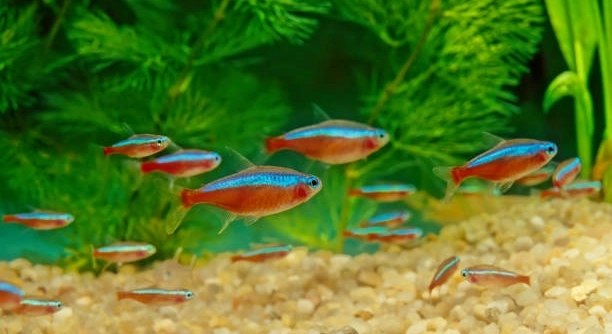
Neon Tetras are small, colorful fish loved for their peaceful nature. As a pet owner, understanding their happiness is key to ensuring they thrive. This guide will help you recognize the signs that indicate a content Neon Tetra.
Neon Tetra happiness is often signaled by active swimming, bright colors, social behavior, and exploration. Their happiness can also be observed in their responsiveness to food, relaxed body posture, and interaction with tank mates. These behaviors indicate well-being.
Recognizing the signs of happiness in Neon Tetras is essential to maintaining their health and a peaceful aquarium environment. By understanding their behavior, you can keep your fish content and ensure they thrive in your care.
1. Active Swimming and Bright Colors
One of the easiest ways to tell if your Neon Tetra is happy is by observing its swimming behavior. Happy Tetras are often active, swimming around the tank in short bursts. They tend to stay in the middle or top of the tank, where they feel secure but also ready to explore. Their colors will also be vibrant, with the signature blue and red hues standing out. This is a sign that they are healthy and comfortable in their environment.
When Neon Tetras feel stressed or unwell, their colors can fade, and their swimming behavior may become sluggish. If you notice this, it’s time to check water quality, temperature, and tank conditions. This is important for maintaining their overall health.
A Neon Tetra that swims energetically and has bright colors shows that it is thriving. On the other hand, when their colors dull or their movements become slow, it indicates something might be off, requiring you to pay closer attention to their needs and the tank environment.
2. Social Behavior with Tank Mates
Neon Tetras are known for their social nature. A happy Neon Tetra will often swim in groups, displaying social behavior. They are not solitary fish and prefer the company of others in the same species. When kept with other peaceful fish, they form shoals and move together, showing comfort and security.
If your Neon Tetra is constantly isolated from the group, it could be feeling stressed or unwell. Stressors such as water conditions, tank size, or aggressive tank mates can lead to a more solitary existence for them. Their social behavior should be nurtured for them to feel safe.
Having a group of Neon Tetras together creates a calming and harmonious atmosphere. They feel more at ease when surrounded by their own kind. It’s important to ensure that there are no aggressive or territorial fish in the tank that may disrupt their social behaviors, as this can cause them unnecessary stress.
3. Responsive to Food
Neon Tetras are typically enthusiastic eaters when they’re happy. They will quickly swim to the surface or the area where food is dropped. Their eagerness shows that they are not stressed and are comfortable in their environment. A healthy Tetra’s appetite is an excellent sign of well-being.
If your Neon Tetra is refusing food or only nibbling, it may be a sign of stress, illness, or poor water conditions. Stress can come from sudden changes in the tank or being housed with aggressive fish. Check the water quality regularly, as unhealthy conditions can cause a loss of appetite.
A Tetra that actively responds to feeding time is likely content and healthy. Their interest in food signals they are in a stable environment. However, if their behavior changes and they no longer swim toward food, take a close look at their surroundings and make adjustments to improve their comfort.
4. Relaxed Posture
Happy Neon Tetras maintain a relaxed body posture. When they are not swimming, they’ll often hover mid-water or rest near plants and decorations in the tank. This relaxed position means they feel secure enough to take a break from swimming without stress.
If a Neon Tetra is constantly hovering at the surface or sinking to the bottom, it could be a sign of distress. A tense posture or struggling to maintain balance can also indicate illness or poor water conditions. Tetras should appear at ease when resting.
Neon Tetras that show relaxed, balanced postures are most likely content. When they hold themselves calmly in their environment, it indicates that they are comfortable and secure in their space. If you notice that your fish seem agitated or uneasy when not swimming, it’s important to check for environmental factors that might be causing them distress.
5. Exploration and Interaction with Tank Environment
Happy Neon Tetras are curious and actively explore their tank. They’ll swim through plants, investigate decorations, and even hide in caves or plants. This behavior is a sign they feel safe enough to explore their environment without fear.
When they seem uninterested in their surroundings, it could indicate stress or discomfort. Neon Tetras that don’t interact with the tank decor or plants may be unsettled. Providing hiding spots and enriching the tank can encourage natural behavior, which supports their overall happiness.
Exploring their environment is an essential part of a Neon Tetra’s natural behavior. These fish are active swimmers that enjoy investigating every corner of their tank. If they seem disinterested in the space, check to ensure the environment is not too chaotic or lacking in hiding spots.
6. Consistent Breathing Patterns
A healthy and happy Neon Tetra will maintain steady breathing patterns. Their gills should move smoothly and rhythmically, indicating they are in good health and comfortable with their water conditions. Any irregularities may point to stress or poor water quality.
If a Neon Tetra is breathing rapidly or irregularly, it could be a sign of environmental stress or illness. Poor water quality, high ammonia levels, or low oxygen can affect their breathing. Regular water changes and proper filtration are key to maintaining healthy gill function.
Stable and calm breathing is a good indicator of a happy, healthy Tetra. When their gills move evenly and not too fast, it shows they’re comfortable in their environment and not under any significant stress. Keep an eye on this as part of regular tank maintenance.
FAQ
How can I tell if my Neon Tetra is stressed?
Stress in Neon Tetras is usually shown through changes in behavior. They may become lethargic, swim erratically, or isolate themselves from the group. Another sign is fading colors; stressed Tetras tend to lose the bright blue and red hues they are known for. Rapid breathing or staying near the surface of the water is also a clear sign of distress. It’s important to examine the water conditions, check for aggressive tank mates, and ensure the tank is the right size for your fish.
What should I do if my Neon Tetra isn’t eating?
If your Neon Tetra isn’t eating, it could be a sign of poor water conditions, illness, or stress. Start by checking the water parameters such as pH, ammonia levels, and temperature to make sure everything is within the ideal range. Sometimes, a change in diet or type of food can also affect their appetite. Try feeding them different types of food, such as live or frozen food, to see if that sparks their interest. If the problem persists, consider consulting with a vet to rule out illness.
Why is my Neon Tetra swimming at the top of the tank?
Swimming at the top of the tank can sometimes indicate a problem with oxygen levels or water quality. Neon Tetras prefer to swim in the middle or upper layers of the tank, but they will seek the surface if oxygen is low. Check your filtration system to make sure it’s working properly and consider increasing aeration in the tank. If water parameters are off, such as high ammonia levels or low oxygen, this can cause Tetras to move closer to the surface. Regular water changes can help resolve these issues.
Can Neon Tetras live alone?
While Neon Tetras can technically survive alone, they are social fish that thrive in groups. They feel safer and more confident when they have the company of other Neon Tetras. If kept alone, they may become stressed, which can lead to a decrease in their overall well-being. It’s recommended to keep them in groups of at least 5 or 6 to mimic their natural social behavior. A larger group will allow them to display their natural shoaling behavior, which is important for their happiness.
What temperature is best for Neon Tetras?
Neon Tetras thrive in warm water, typically between 70°F to 81°F (21°C to 27°C). Keeping the water temperature within this range is important for their overall health and behavior. If the water is too cold, they can become sluggish, while higher temperatures can cause stress and lead to health issues. Use a reliable aquarium heater to maintain a consistent temperature, and check it regularly to avoid sudden fluctuations. Stability is key for maintaining a comfortable environment for your Neon Tetras.
How often should I feed my Neon Tetras?
Neon Tetras should be fed once or twice a day, with portions that they can consume in a few minutes. Overfeeding can lead to water quality problems, so it’s important not to give them too much food. Offer small amounts of high-quality flakes, pellets, or live food like brine shrimp or daphnia. Avoid feeding them more than they can eat in one sitting to prevent uneaten food from decomposing in the tank. Keep an eye on their feeding habits to ensure they are eating properly.
How long do Neon Tetras live?
Neon Tetras generally live for around 5 to 10 years when kept in optimal conditions. Their lifespan can be influenced by factors such as water quality, tank size, and diet. If their environment is stable and they are well taken care of, they will likely reach their maximum lifespan. Regular maintenance, proper feeding, and monitoring of water parameters are all essential to keeping your Neon Tetras healthy and happy for as long as possible.
Why is my Neon Tetra swimming upside down?
If your Neon Tetra is swimming upside down or struggling to maintain balance, this could be a sign of a health issue. A condition known as “swim bladder disorder” can cause fish to lose their ability to control buoyancy. This can be caused by overfeeding, constipation, or stress. In some cases, it may be a sign of an internal infection or injury. If this behavior continues, it’s important to consult a veterinarian or fish expert to determine the cause and find a solution.
What size tank is best for Neon Tetras?
Neon Tetras are small fish, but they still require enough space to swim freely. The minimum recommended tank size for a group of Neon Tetras is 10 gallons. This gives them enough room to explore and shoal comfortably. If you have a larger group or other tank mates, you may need a larger tank. A well-maintained, spacious tank ensures that the water quality stays stable, which is crucial for their health. Make sure to also include hiding spots and plants for added comfort.
Can Neon Tetras live with other fish?
Neon Tetras are peaceful fish and do well in community tanks with other non-aggressive species. They are compatible with other small, calm fish like Corydoras, Guppies, and Rasboras. It’s important to avoid keeping them with larger or more aggressive fish that may stress them out or even harm them. Keep an eye on your tank mates and monitor their interactions to ensure everyone gets along. This will create a peaceful environment where your Neon Tetras can thrive.
What is the best water pH for Neon Tetras?
Neon Tetras prefer slightly acidic to neutral water, with a pH range between 6.0 and 7.5. If the water is too alkaline or too acidic, it can cause stress and health problems. Test the water regularly to make sure the pH level stays within this range. Adjust the pH using appropriate water conditioners or natural methods if necessary. Keeping the water pH stable is crucial for maintaining the health and happiness of your Neon Tetras.
How do I know if my Neon Tetra is sick?
Sick Neon Tetras may exhibit several signs, including faded colors, abnormal swimming, lethargy, or not eating. They may also display unusual behaviors like rubbing against objects or swimming in circles. If you notice any of these symptoms, it’s important to isolate the sick fish and examine the water quality. If the problem persists, consider consulting an aquarium professional or a veterinarian who specializes in fish. Early detection and proper treatment are key to resolving health issues.
Are there any signs that my Neon Tetra is ready to breed?
Neon Tetras generally breed in groups in well-planted tanks with soft, slightly acidic water. Males often display brighter colors when they are ready to mate. If your Neon Tetras are active, chasing each other, and displaying vibrant colors, this can be a sign they are ready to breed. However, breeding in an aquarium is rare unless specific conditions are met, such as water quality and temperature. If you want to encourage breeding, you can adjust the environment to mimic their natural breeding conditions.
Final Thoughts
Caring for Neon Tetras can be a rewarding experience, as these small fish bring a lot of life and color to any tank. Their happiness and well-being depend on a few simple but important factors. Regularly checking water quality, maintaining proper temperatures, and providing a suitable environment are all key to ensuring your Tetras stay healthy. By observing their behavior, you can easily tell when they are content or when something might be wrong. Being proactive and attentive to their needs will help you enjoy their company for many years.
While it’s important to focus on water conditions and tank setup, don’t forget the social aspect of keeping Neon Tetras. These fish thrive in groups, so make sure to keep them in shoals of at least five or six. A solitary Tetra is often a stressed one, and keeping them in groups mimics their natural behavior, contributing to their happiness. Additionally, providing them with hiding spots, plants, and a variety of food options will ensure they feel secure and content. A peaceful tank setup allows them to show their true colors and behavior.
If you notice any signs of stress or illness in your Neon Tetras, it’s important to act quickly. Their small size makes them vulnerable to rapid changes in their environment. Keep an eye on things like their swimming patterns, posture, and eating habits. Regular water changes and tank maintenance are key to preventing problems before they arise. By staying observant and addressing any issues promptly, you’ll be able to keep your Neon Tetras happy and healthy, allowing them to live a long, vibrant life in your aquarium.

Hello,
If you enjoy the content that we create, please consider saying a "Thank You!" by leaving a tip.
Every little bit helps us continue crafting quality advice that supports the health, happiness, and well-being of pets around the world, for pets of all shapes, sizes, and species.
We really appreciate the kindness and support that you show us!