
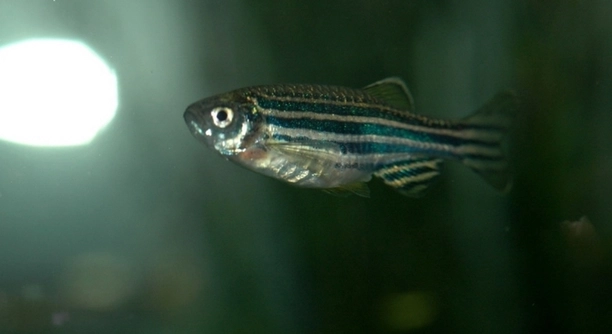
Zebra Danios are small, lively fish popular among aquarium enthusiasts. Their movements can tell you a lot about their health, mood, and environment. Learning to read their fin movements can improve their care and help you better understand their behavior.
Zebra Danio fin movements are key indicators of their emotional state, health, and social interactions. They may flare their fins when threatened, or use subtle shifts to communicate with other fish in their environment.
Understanding the different types of fin movements can help you notice any potential health issues or stressors affecting your fish. Recognizing these behaviors will ensure a happier, healthier aquarium experience for your Zebra Danios.
How Zebra Danios Use Their Fins to Communicate
Zebra Danios are known for their quick and energetic movements. Their fins, especially the dorsal and pectoral fins, play a big role in how they express themselves. By watching how they move these fins, you can learn a lot about their current state. A Danio that is relaxed will have a neutral fin position, while a stressed or scared Danio might flare its fins outward. These movements can also signal aggression, territorial disputes, or social behavior. If you notice a Danio rapidly flicking its fins, it could be reacting to environmental changes like water temperature or light intensity.
In contrast, a calm Zebra Danio will hold its fins close to the body, moving them gently in response to currents or to maintain balance. Observing their movements can reveal how they interact with other fish, their swimming patterns, and their overall mood. Keeping track of these signals will help you spot any issues in their habitat and take the necessary steps to address them.
By regularly observing your Zebra Danio’s fin movements, you can get to know their behavior better. This not only helps you spot early signs of stress but also allows you to ensure they are comfortable in their tank. They may also use their fins to steer themselves quickly through water when they are excited or chasing food, which shows their agility. It’s these subtle signals that make it easy to gauge their health, environment, and how they are feeling at any given moment. Recognizing these cues makes you more connected to your aquarium.
Common Fin Movements and What They Mean
Not all fin movements are alike, and each one carries meaning. A sudden flare of the fins can indicate alarm, while slow and controlled fin movements usually mean relaxation. Understanding these nuances makes fish care easier.
When Zebra Danios are swimming around their tank, you may notice their fins positioned differently depending on their behavior. A quick flick of the tail and dorsal fins can indicate excitement or aggression, often occurring when a new fish enters the tank or if the Danios are chasing after food. When they swim in groups, their fins often move in sync, reflecting their cooperative behavior and social nature. However, when stressed, their fins may not be as fluid, and they may even stop moving altogether. This can be a sign that something is wrong with their environment, such as poor water quality or tank mates that are too aggressive. Additionally, if their fins are clamped tightly to their bodies, it could be a sign of illness or discomfort, signaling that you need to take action quickly. By knowing how to interpret these movements, you can respond appropriately and keep your Zebra Danios happy and healthy.
Why Fin Position Matters
The position of Zebra Danios’ fins plays a crucial role in showing their emotional state. When relaxed, their fins stay close to their bodies, but when agitated or stressed, they spread out. This simple signal can help you understand how they are adjusting to their surroundings.
You can often tell how a Zebra Danio is feeling just by looking at the position of its fins. If the fins are held tightly against its body, it could mean the fish is frightened, ill, or uncomfortable. On the other hand, if the fins are extended outward, the Danio might feel threatened or excited. This is especially true during social interactions or when new fish are introduced to the tank. These signs can help you react to potential problems early, such as water quality issues or the presence of aggressive tank mates. Staying aware of fin positions is key to maintaining a peaceful tank environment.
Pay attention to changes in fin position over time. If a Danio’s fins are constantly held close, even when it’s swimming normally, it may be an indication of stress or illness. It’s a good idea to check the water conditions, temperature, and tank environment to ensure everything is in balance. Regularly watching how the fins move will help you catch any signs of distress quickly. This simple behavior can be an easy way to ensure your Zebra Danios are healthy and thriving.
The Role of Tail and Dorsal Fin Movements
The tail and dorsal fins of Zebra Danios are highly active, helping them move through the water quickly. These fins are often involved in the fish’s most obvious movements, like darting around or turning suddenly.
The tail fin, or caudal fin, provides propulsion, pushing the fish forward. Fast and repetitive tail movements can indicate excitement or rapid swimming. Zebra Danios will use their tail to make quick turns or speed bursts, often when chasing after food or avoiding danger. The dorsal fin helps maintain balance and stabilization during swimming. When the dorsal fin moves slightly, the fish may be adjusting its position in the water. If the dorsal fin is raised high, the Danio could be feeling confident or even territorial. However, when the dorsal fin is lowered, it may show that the fish is feeling less confident or stressed.
These fin movements are also key during social interactions, particularly in schools. Zebra Danios swim in groups, and their synchronized movements are often coordinated through their tail and dorsal fins. As they interact with one another, you may notice slight changes in their fin positions. These shifts in behavior can give you insight into their social dynamics and help you better understand their needs. Tracking these movements over time allows you to gauge how your fish are interacting and feeling in the tank.
Reading Stress from Fin Movements
When Zebra Danios are stressed, their fin movements change. They may clamp their fins to their bodies or stop moving them altogether. This can be a sign that they are unhappy with their environment or feeling threatened.
The most common stress signs include tightly pressed fins, which indicate discomfort or illness. Danios that are stressed may also swim erratically or hover in one spot without much movement. If the fins are constantly held close to the body, it’s time to check for issues like poor water quality, aggression from tank mates, or even overcrowding. Stressful conditions can harm their health, so addressing the cause is crucial.
In some cases, fin movements become more erratic or disjointed when the fish is stressed. They may dart back and forth rapidly or swim in short bursts. These movements can suggest that the Danio is trying to escape an uncomfortable situation or reacting to sudden changes in their surroundings. Identifying this behavior early can help you make adjustments and prevent further stress.
Fin Movements During Feeding
During feeding, Zebra Danios’ fins are often more active. Their tail and pectoral fins help them move swiftly toward food, showing excitement and eagerness to eat.
Zebra Danios may dart around in a flurry of movements as they chase food. Their fins move rapidly, indicating excitement. They often swim faster in response to the sight or scent of food, using their fins for quick directional changes. If you feed them in a group, you’ll notice their fins synchronizing, which is typical for schooling fish. The tail fin helps propel them forward, while the pectoral fins work in tandem to steer them toward the food.
Aggression in Zebra Danios
Zebra Danios can show aggression with their fin movements, especially when competing for territory or mates. Flared fins may signal a warning.
When a Danio feels threatened or challenged, it will extend its fins fully. This is often seen in males as they compete with each other. They may exhibit this behavior to assert dominance or defend their space. Aggressive postures can also appear when a new fish enters the tank, causing some tension. The fish might exhibit rapid tail flicks, moving in erratic patterns. This aggressive display is often brief but can escalate if not addressed.
FAQ
What does it mean when Zebra Danios’ fins are clamped?
When Zebra Danios’ fins are clamped tightly against their bodies, it is usually a sign of stress, illness, or discomfort. This can happen if the fish is not happy with the water quality, temperature, or other tank conditions. A sudden change in the environment, such as adding new fish or adjusting the lighting, can also cause this response. It’s important to monitor water parameters, such as pH, temperature, and ammonia levels, to rule out potential issues. If clamping continues for an extended period, it may indicate a health problem, and further investigation is needed.
How can I tell if my Zebra Danio is excited or stressed?
Zebra Danios show excitement through quick, darting movements and the rapid flicking of their fins, especially the tail fin. Their fins might be spread wide when they’re excited, particularly during feeding times or when they see potential mates. However, stress is often signified by tight, compressed fins. If your Danio seems sluggish, has trouble swimming, or its fins are pressed tightly against its body, it could be stressed. The contrast between these two behaviors helps you gauge their emotional state.
Can fin movements indicate disease in Zebra Danios?
Yes, fin movements can indicate potential disease in Zebra Danios. For instance, if their fins are clamped and they’re swimming erratically or listlessly, it could be a sign of illness such as fin rot, parasitic infections, or other health problems. Infected or injured fins may also exhibit abnormal movements, like twitching or trembling. If you notice any changes in their fin behavior, it’s important to check for signs of disease, such as discoloration, lesions, or swelling. Early detection can help you treat the issue before it worsens.
Why does my Zebra Danio flare its fins at other fish?
Zebra Danios may flare their fins to display dominance or defend their territory, especially when they feel threatened or are in competition for resources like food or mates. This behavior is more common in males, particularly during breeding seasons or when they are confronted by other males. It’s a way to assert dominance in the tank and can sometimes lead to aggressive encounters if not addressed. If you notice frequent flaring and aggression, it may help to rearrange decorations or provide hiding spots to reduce tension.
What should I do if my Zebra Danio’s fins are damaged?
If your Zebra Danio’s fins are damaged, the first step is to assess the severity of the injury. Minor fin tears may heal on their own in healthy water conditions, but more severe damage could require attention. Ensure the tank water is clean and free of ammonia or nitrites, which can slow down healing. If the injury seems to be infected or is worsening, consider isolating the affected fish in a hospital tank and adding appropriate treatments like antibacterial medication. Keeping the water conditions optimal can help your Danio recover more quickly.
How can I prevent fin damage in Zebra Danios?
Preventing fin damage in Zebra Danios involves providing a peaceful, well-maintained tank. Avoid overcrowding, as this can lead to aggressive interactions and fin nipping. Ensure that decorations and tank equipment are smooth and free of sharp edges, which can cause physical damage. Additionally, introducing new tank mates slowly and monitoring their behavior can reduce the chances of aggression. Regular water changes and maintaining proper filtration also support the overall health of your Danios, preventing conditions that could lead to fin damage.
Do Zebra Danios interact with each other through their fins?
Yes, Zebra Danios often communicate and interact with each other using their fins. They are social fish and use body language, including fin movements, to express their emotions, establish hierarchies, and interact in groups. For example, when one fish displays flared fins, it may be warning another to stay away, or it might be a display of aggression toward a potential rival. On the other hand, synchronized swimming and gentle fin movements can indicate peaceful social interactions. Watching their fin movements closely helps you understand how they are interacting with each other in the tank.
Is it normal for Zebra Danios to flick their fins constantly?
Zebra Danios may flick their fins constantly, especially when they are excited or moving quickly through the water. This behavior is common when they are hunting for food or swimming in response to changes in the environment. However, constant flicking or rapid fin movements without any apparent reason could indicate stress, poor water conditions, or illness. If your Danios seem to be flicking their fins excessively without any cause, it may be worth checking the water parameters and observing their general behavior to determine if something is wrong.
What does it mean when Zebra Danios’ fins are moving in sync?
When Zebra Danios swim in schools, their fins often move in sync. This behavior helps them coordinate their movements as a group, which is typical for schooling fish. The synchronized fin movements allow them to maintain formation and avoid predators. It’s a sign that the fish are feeling comfortable and secure within their environment. If you observe the fins moving together smoothly, it’s a good indication that the Danios are healthy and in a calm, social state. This is a normal and positive behavior for these fish.
How can I tell if my Zebra Danio is healthy based on its fins?
Healthy Zebra Danios typically have open and functional fins, with smooth, flowing movements. Their fins should not be clamped tightly against the body, and they should swim with fluid, coordinated fin movements. If you notice that the fins are torn, clamped, or not moving properly, it could indicate health problems. In addition, healthy fins should be free of discoloration or swelling, which can be signs of infection or injury. Regularly observing their fin movements and overall behavior is the best way to monitor their health.
Final Thoughts
Understanding Zebra Danio fin movements is an essential part of being able to care for them effectively. Their fins are not just for swimming; they are a key part of how they communicate with other fish and express their emotions. By watching these movements, you can easily spot signs of stress, aggression, or illness, helping you react quickly and take appropriate action. From the spread of their fins when excited to the tightness when scared or sick, each movement tells a story about their well-being.
It’s important to remember that Zebra Danios are social creatures, and their behavior, including fin movements, can change depending on their environment and interactions with other fish. They thrive in a peaceful tank with stable water conditions, and keeping an eye on their fin movements can help you ensure they are comfortable. If their fins are constantly clamped or they are swimming erratically, it’s a sign that something might be wrong. Regularly checking their water quality, temperature, and tank conditions will help keep them healthy and stress-free.
By learning to read their fin movements, you not only improve your ability to care for them but also enhance the overall enjoyment of keeping these fascinating fish. Zebra Danios are active, playful, and full of personality. With a little attention to their behavior, you can create a healthier environment for them to thrive in, leading to happier fish and a more rewarding aquarium experience for you. Observing their movements is a simple yet effective way to ensure their well-being and ensure your tank remains a peaceful, harmonious place.

Hello,
If you enjoy the content that we create, please consider saying a "Thank You!" by leaving a tip.
Every little bit helps us continue crafting quality advice that supports the health, happiness, and well-being of pets around the world, for pets of all shapes, sizes, and species.
We really appreciate the kindness and support that you show us!