
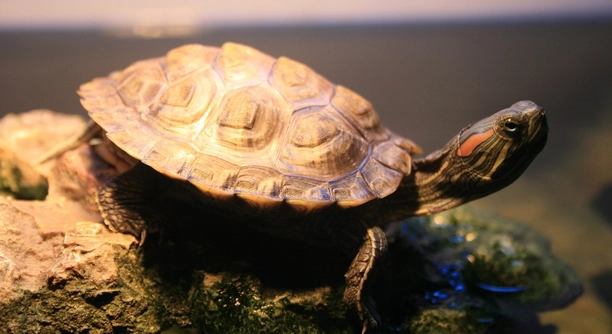
Raising healthy red-eared slider hatchlings is an important task for any turtle enthusiast. Their care requires attention to detail, proper diet, and suitable living conditions. By following the right practices, you can ensure their well-being.
To raise healthy red-eared slider hatchlings, focus on providing a proper habitat with clean water, appropriate basking spots, and a balanced diet. Regular water changes, proper UV lighting, and monitoring their growth will help maintain their overall health.
Ensuring these practices will help your hatchlings thrive and grow strong. Keep reading to discover the best ways to support their development and well-being.
Provide a Proper Habitat
The environment in which your red-eared slider hatchlings live plays a crucial role in their health. Ensure they have a tank large enough to move around freely. A 20-gallon tank is ideal for a pair of hatchlings, but you’ll need to upgrade it as they grow. The water should be kept clean and at the right temperature, typically between 75-80°F (24-27°C), which is necessary for their metabolism.
In addition to a spacious tank, provide a basking area where they can dry off and soak up some UVB light. This is essential for their shell health and overall well-being. You can use a reptile basking lamp for proper lighting, ensuring the temperature of the basking spot stays around 90°F (32°C). The UVB light should be on for about 10-12 hours a day.
By creating an appropriate habitat, your hatchlings will feel comfortable and have the conditions they need to thrive.
Offer a Balanced Diet
A proper diet is one of the most important aspects of raising healthy red-eared sliders. They need a mix of protein, vegetables, and calcium-rich foods. Hatchlings tend to eat more protein, including small fish, shrimp, and insects. Over time, they will need more plants, like leafy greens, to balance their diet. Be sure to offer variety so they don’t get bored with their meals.
Ensure they also get enough calcium, which is vital for their shell growth and overall health. You can supplement their diet with calcium powder and vitamin D3 to aid absorption. Feeding your hatchlings on a regular schedule will also help them establish healthy habits.
When you provide the right food, you support their growth, immunity, and shell development.
Maintain Clean Water
Water quality is critical for red-eared slider hatchlings. You should change the water regularly to prevent the buildup of waste. A good filtration system will help keep the water clean for longer, but it’s still important to perform partial water changes weekly.
To check the water quality, use a water testing kit to monitor levels of ammonia, nitrate, and pH. Ammonia should always be kept at zero, as it can harm your hatchlings. Regularly remove uneaten food from the tank, as it can decompose and pollute the water. Keeping the water clean helps prevent diseases and supports healthy growth.
Proper water maintenance reduces stress on the hatchlings and ensures they have a healthy living environment. This simple step goes a long way in keeping them happy and thriving.
Offer Proper Lighting
Lighting plays an essential role in the health of red-eared slider hatchlings. UVB light is necessary for calcium absorption, helping them develop strong shells and bones. A high-quality UVB bulb should be used, placed around 6-12 inches above the basking area.
Replace the UVB light every 6-12 months to ensure it remains effective. Without proper UVB exposure, hatchlings can develop shell deformities and weakened bones. In addition to UVB light, provide a heat lamp for basking. A consistent day/night light cycle helps regulate their internal clock, encouraging natural behavior.
Keeping hatchlings on a proper light cycle and ensuring the correct lighting setup will support their physical development and overall health.
Monitor Water Temperature
The water temperature is vital for red-eared slider hatchlings. Keeping it within the right range of 75-80°F (24-27°C) promotes healthy metabolism and digestion. If the water is too cold, they may become sluggish and stop eating.
Using an aquarium heater is a reliable way to maintain stable water temperature. Make sure the heater is designed for the size of the tank and can be adjusted for accuracy.
Maintaining the proper water temperature supports healthy growth and digestion. It also helps prevent stress-related issues and ensures your hatchlings remain active and engaged.
Prevent Overcrowding
Overcrowding can lead to stress and health problems for red-eared slider hatchlings. If they don’t have enough space to move around, they may become aggressive or sick. A general guideline is to provide at least 10 gallons of water for each hatchling.
Having enough space allows them to bask, swim, and explore, which supports their physical and mental health. More space also reduces the risk of territorial disputes and stress.
Ensuring proper space in the tank helps your hatchlings grow stronger and stay healthier. This simple step can prevent many issues that come with cramped living conditions.
FAQ
How often should I feed my red-eared slider hatchlings?
Red-eared slider hatchlings should be fed daily, especially when they are young and still growing. Their diet should consist of protein-rich foods like small fish, shrimp, and insects. As they grow, you can gradually introduce more vegetables, such as leafy greens and aquatic plants. Make sure to remove uneaten food after a couple of hours to keep the tank clean.
Can red-eared slider hatchlings live together in the same tank?
Yes, red-eared slider hatchlings can live together, but the tank must be large enough to accommodate all of them. Overcrowding can lead to stress, fights, and health problems. It’s best to have at least 10 gallons of water per hatchling. Also, ensure that there are enough basking spots for each turtle to feel secure.
How can I tell if my red-eared slider hatchlings are healthy?
Healthy red-eared slider hatchlings will have clear, bright eyes, a smooth, intact shell, and active behavior. If they are eating regularly, swimming actively, and basking, they are likely in good health. Watch for signs of illness such as lethargy, loss of appetite, or shell deformities. If you notice any of these symptoms, it’s best to consult a vet.
Do red-eared slider hatchlings need to be kept in water all the time?
No, red-eared slider hatchlings need a balanced environment with both water and a dry basking area. While they spend a lot of time swimming, they also need time out of the water to bask and dry off. A heat lamp placed above a basking spot will provide the warmth they need to regulate their body temperature.
What kind of tank setup do I need for red-eared slider hatchlings?
Red-eared slider hatchlings need a tank with both water and a dry basking area. The water should be at least 10 gallons for each hatchling, and the tank should include a filtration system to keep the water clean. Add a UVB light and a basking lamp to support their health. Make sure the basking area is easily accessible and kept at a warm temperature of around 90°F (32°C).
What temperature should the water be for red-eared slider hatchlings?
The water temperature for red-eared slider hatchlings should be maintained between 75-80°F (24-27°C). This helps support their digestion and metabolism. Using a reliable aquarium heater can help maintain the water temperature consistently, which is crucial for their overall health.
Can I use tap water for my red-eared slider hatchlings’ tank?
You can use tap water, but it’s important to treat it first to remove harmful chemicals like chlorine and chloramine. These chemicals can be toxic to your hatchlings. Use a water conditioner to make the tap water safe. Additionally, check the water’s pH level and make sure it’s within the acceptable range of 6.5 to 7.5 for red-eared sliders.
Do red-eared slider hatchlings need supplements?
Yes, red-eared slider hatchlings need supplements to ensure they get all the necessary nutrients. Calcium and vitamin D3 supplements are essential for strong bones and shell growth. You can dust their food with calcium powder or offer calcium-rich foods like cuttlebone. Make sure they get enough UVB light, as it helps them absorb calcium.
How fast do red-eared slider hatchlings grow?
Red-eared slider hatchlings grow relatively quickly during their first few years. In the first year, they can grow up to 4 inches, and by the time they are around 3 years old, they may reach 6-8 inches. The growth rate will depend on factors like diet, water quality, and habitat conditions.
What should I do if my red-eared slider hatchling isn’t eating?
If your red-eared slider hatchling isn’t eating, it could be due to stress, improper water temperature, or illness. Check the tank conditions, such as water temperature and cleanliness, and make sure they have access to a variety of foods. If the problem persists, consult a veterinarian.
How can I help my red-eared slider hatchling shed its skin?
Red-eared slider hatchlings shed their skin regularly. You can help by maintaining proper humidity levels and water quality. If you notice that the hatchling has trouble shedding, gently mist them with water or offer a shallow bath. Avoid pulling the skin off yourself, as this can cause injury.
Can red-eared slider hatchlings live in a pond?
Yes, red-eared slider hatchlings can live in a pond, provided the water temperature and quality are suitable. The pond should have areas for basking, as well as deep enough water for swimming. However, outdoor ponds are harder to maintain than indoor tanks, and it may be difficult to control the water quality. Make sure to also provide shelter from predators.
Do red-eared slider hatchlings need to be handled often?
While red-eared slider hatchlings are not particularly social, they don’t mind occasional handling. However, excessive handling can cause stress, so it’s best to keep it to a minimum. Let your hatchlings get used to their environment and avoid handling them too much unless necessary, such as for cleaning or health checks.
How can I prevent diseases in red-eared slider hatchlings?
To prevent diseases in red-eared slider hatchlings, focus on maintaining a clean tank with proper filtration and regular water changes. Provide them with a balanced diet, proper lighting, and a stress-free environment. Always monitor their health closely and address any changes in behavior or physical appearance promptly.
Final Thoughts
Raising healthy red-eared slider hatchlings requires attention to several important factors. From maintaining proper water temperature to ensuring a balanced diet, each element plays a crucial role in their growth and development. Providing the right environment, including clean water, proper lighting, and sufficient space, will help your hatchlings thrive. It’s also important to regularly monitor their health and behavior to catch any potential issues early. By making these simple adjustments and paying close attention to their needs, you can ensure that your hatchlings grow into healthy adult turtles.
The best practices for caring for red-eared slider hatchlings are not difficult to follow but require consistency and a proactive approach. Feeding them a varied diet, offering them ample basking areas, and keeping their tank clean will contribute to their overall well-being. Regular water changes are essential for maintaining a clean and healthy habitat. Additionally, providing the proper supplements, such as calcium, will help ensure their shells grow strong and healthy. These small efforts add up and create an environment where your hatchlings can reach their full potential.
Ultimately, keeping red-eared slider hatchlings healthy comes down to consistency and understanding their basic needs. With the right environment and care, they can live for many years, growing into strong and vibrant adult turtles. The responsibility of caring for them may seem demanding, but with the right knowledge and tools, it becomes a rewarding experience. Following these best practices will allow you to create a healthy, safe, and supportive home for your hatchlings, helping them grow and develop to their full potential.

Hello,
If you enjoy the content that we create, please consider saying a "Thank You!" by leaving a tip.
Every little bit helps us continue crafting quality advice that supports the health, happiness, and well-being of pets around the world, for pets of all shapes, sizes, and species.
We really appreciate the kindness and support that you show us!