
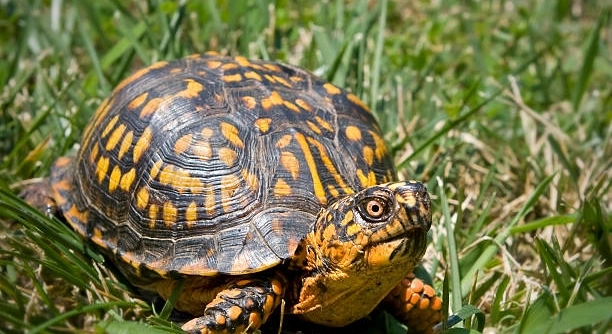
Raising hatchlings alongside adult box turtles requires careful attention to their safety and well-being. These little ones need a specific environment to grow strong while being safely integrated into the adult group.
To raise hatchlings safely with adult box turtles, ensure they have a separate, safe area within the enclosure. Provide hiding spots, a shallow water dish, and monitor their health closely. Always observe interactions to prevent injury.
Proper care involves more than just keeping them together. Understanding the dynamics and needs of both hatchlings and adults can make a significant difference in their safety and development.
Preparing the Habitat for Hatchlings and Adults
Creating a suitable habitat for both hatchlings and adult box turtles is essential. Adult turtles need space to roam and establish their territory, while hatchlings need a safe, quiet environment to grow. One of the key considerations is temperature regulation. Box turtles thrive in warm environments, but hatchlings are more vulnerable to extreme heat or cold. Ensure there are shaded areas and a heat source for the adults. For hatchlings, provide a cooler, sheltered space. A divided enclosure can help keep them safe while allowing the adults to move freely.
Hatchlings are more likely to be injured if left in a large space with adults. Their smaller size makes them more vulnerable. When setting up the enclosure, make sure to provide both basking areas and hiding spots to keep everyone comfortable.
A proper substrate is vital to both groups. Use soil, leaves, and moss to mimic natural conditions. This setup promotes healthy shedding and easy movement. Keeping the environment clean is crucial to avoid stress or health issues for all turtles.
Feeding Considerations for Hatchlings and Adults
Hatchlings and adult box turtles have different dietary needs. Hatchlings require more protein and are likely to eat small insects, while adults may prefer a more varied diet, including fruits, vegetables, and some protein. Keep feeding areas separate to avoid competition. This ensures hatchlings can eat peacefully without being pushed away by adults.
When feeding both groups, it’s important to provide fresh food daily. Hatchlings may need smaller portions more often to ensure growth and development, while adults can have larger meals spaced further apart. By offering a variety of food choices, you cater to the nutritional needs of each group and keep them both healthy.
Monitoring Health and Behavior
Keeping a close eye on both the hatchlings and adults is essential for their well-being. Check for signs of illness, injury, or stress regularly. Pay attention to how they interact with each other. Hatchlings are especially sensitive, so observe their behavior to ensure they aren’t being overwhelmed by the adults.
It’s also a good idea to handle them as little as possible. Too much interaction can lead to stress, especially for hatchlings. Check their shells for signs of damage and ensure they are eating regularly. Monitor their overall activity levels and note any changes that might indicate health issues.
For hatchlings, regular weighing is a good practice to track their growth. This helps you spot any issues early, such as stunted growth or dehydration. If you notice the hatchlings aren’t growing as expected, it might be time to adjust their diet or habitat.
Temperature and Humidity Control
Both hatchlings and adult box turtles require proper temperature and humidity levels for optimal health. Adult box turtles usually tolerate higher temperatures, but hatchlings need a bit more attention to avoid overheating. Set up your habitat with varying temperature zones to allow the turtles to move between cooler and warmer areas.
Humidity also plays an important role. Too much moisture can lead to fungal infections, while too little can cause dehydration. You want a balance that allows both the hatchlings and adults to thrive. Using a humidity gauge will help you monitor this. Misting the habitat lightly during the day can help keep the humidity at a proper level.
By adjusting the environment carefully, you create the best conditions for growth and longevity. If you notice your hatchlings are sluggish or showing signs of dehydration, consider adjusting the temperature or humidity immediately. Maintaining the right conditions is key to their survival.
Socialization and Interaction Between Hatchlings and Adults
Monitor the interactions between hatchlings and adult box turtles carefully. While adults tend to be more social and curious, hatchlings can get easily stressed. If an adult becomes too aggressive or territorial, separate them until calm. Socialization must be done slowly.
Letting the turtles get used to each other gradually is important. If you notice any signs of bullying or excessive chasing, step in immediately. Sometimes adult box turtles may not understand the fragility of hatchlings and can accidentally injure them. Always keep a close eye on their behavior and make adjustments as needed.
Providing Proper Lighting
Proper lighting is vital for both hatchlings and adults. Box turtles need UVB light to metabolize calcium and promote strong shell growth. Ensure both groups have access to full-spectrum light, placed at the correct distance to avoid overexposure.
UVB light should be kept on for about 10–12 hours daily to replicate natural sunlight cycles. Without adequate lighting, your turtles could develop metabolic bone disease or weakened shells. A timer can help ensure the lighting is consistent, giving the turtles the necessary exposure during daylight hours.
Cleanliness of the Enclosure
Maintaining a clean enclosure is critical to the health of both hatchlings and adult turtles. Waste should be removed daily to prevent bacteria from spreading. Additionally, replace the substrate regularly to ensure a clean living space. This helps avoid the growth of harmful fungi and bacteria.
A clean environment reduces the risk of diseases and parasites. It’s best to spot clean multiple times a week, focusing on food leftovers and waste. Keeping the habitat pristine also supports healthy shell growth and overall well-being, especially for vulnerable hatchlings.
FAQ
What should I do if the hatchlings are not eating?
If your hatchlings are not eating, check if the temperature or humidity is off. Hatchlings need a stable environment to feel comfortable enough to eat. If they are too cold or too warm, they may refuse food. Also, ensure the food is fresh and varied, offering both protein and vegetables. Sometimes, simply changing the food or offering smaller, more frequent meals can encourage them to eat. If they still aren’t eating, consult a vet to rule out health issues.
How can I tell if my adult box turtles are getting enough food?
Adult box turtles typically eat larger portions and need a varied diet, including fruits, vegetables, and protein. If they are eating regularly and appear active, they are likely getting enough food. Keep an eye on their weight; if they seem to be gaining or losing too much, adjust the portion size accordingly. You can also check their overall health, including their shell quality and skin condition. If these seem off, it may indicate a nutritional imbalance.
Can hatchlings and adult box turtles live together safely?
Yes, but only with careful supervision. Hatchlings are more vulnerable, and adult box turtles may unintentionally harm them. To reduce risks, create separate areas within the same enclosure. This allows adults to roam freely while keeping hatchlings in a safer, protected environment. Always monitor interactions to prevent any aggressive behavior from adults toward hatchlings.
How do I ensure my hatchlings are growing properly?
To help your hatchlings grow, make sure they have a proper diet, the right temperature, and humidity levels. They need a diet rich in protein and calcium for healthy development. Regularly monitor their weight and growth rate. If you notice stunted growth or signs of malnutrition, adjust their diet or environment. Keeping track of their growth helps spot any potential problems early.
What signs should I look for to determine if my turtles are sick?
Look for signs of lethargy, loss of appetite, or changes in behavior. If your turtles are hiding more than usual or not eating, it may be a sign of illness. Check their shells for softness, cracks, or signs of infection. Runny noses, swollen eyes, or abnormal discharge from their nostrils could also indicate respiratory issues. If you notice any of these signs, consult a vet immediately for a proper diagnosis.
How can I provide the best habitat for my box turtles?
Your box turtles need a warm, dry area with enough space to roam. Use a mix of soil, moss, and leaves as bedding. Add hiding spots and a shallow water dish for hydration. For lighting, provide UVB lamps to help them absorb calcium. A temperature gradient with cooler and warmer zones will give them the freedom to regulate their body temperature.
Can I feed my box turtles the same food every day?
It’s important to offer variety in your turtles’ diet. While box turtles can eat similar foods each day, constantly feeding them the same food can lead to nutritional deficiencies. Offer a mix of fruits, vegetables, insects, and occasional protein sources like earthworms or mealworms. This variety ensures they get all the nutrients they need to stay healthy.
Why is it important to monitor the temperature in the enclosure?
Temperature plays a major role in your turtles’ health. If it’s too hot or too cold, your turtles won’t be able to digest their food properly or may become stressed. Hatchlings need a slightly cooler environment compared to adults. By maintaining proper temperature zones, your turtles can regulate their body heat, helping them stay healthy and active. Use a thermometer to ensure the habitat stays in the ideal range.
How can I prevent my turtles from fighting?
To prevent fighting, ensure there’s enough space and resources for each turtle. When adult box turtles feel crowded, they may become territorial and aggressive. Provide separate feeding areas and plenty of hiding spots to reduce competition. If aggression persists, consider separating them into different enclosures. Socializing them gradually and carefully can help minimize stress and fights.
What should I do if my hatchling’s shell is soft or deformed?
Soft or deformed shells can be a sign of poor nutrition, particularly a lack of calcium. Ensure your hatchlings are eating a balanced diet with plenty of calcium-rich foods and supplements. Proper UVB lighting is also essential for calcium absorption. If the shell condition doesn’t improve, seek advice from a vet as it may indicate metabolic bone disease or another health issue.
How often should I clean the turtle enclosure?
A clean environment is essential for the health of your turtles. Spot clean the enclosure daily by removing waste and uneaten food. Change the bedding every few weeks to keep things fresh and hygienic. A thorough cleaning of the entire enclosure, including disinfecting surfaces, should be done monthly. Regular cleaning prevents the buildup of harmful bacteria or parasites.
Can I use tap water in my turtle’s water dish?
Tap water is generally fine for adult turtles, but it’s important to check if your local water contains chlorine or other chemicals. If you live in an area with treated water, let the water sit for 24 hours to allow the chlorine to dissipate. For hatchlings, it’s safer to use filtered or dechlorinated water to avoid any potential health risks. Regularly change the water to keep it clean.
How do I prevent my turtles from getting parasites?
To prevent parasites, keep the enclosure clean and provide fresh, clean food. Be mindful of where you source your turtles’ food. Avoid feeding wild-caught insects, as they may carry parasites. Regularly check your turtles for signs of parasites, such as weight loss, lethargy, or abnormal feces. If you suspect your turtle has parasites, take them to a vet for proper treatment.
Final Thoughts
Raising hatchlings with adult box turtles requires careful planning and attention to detail. While it is possible for them to live together, it’s essential to monitor their interactions closely to ensure the safety and health of both. Hatchlings are particularly vulnerable, so creating a safe environment with separate spaces for both age groups is important. By providing a suitable habitat with temperature control, proper humidity, and hiding spots, you can help them feel secure and reduce stress. Keeping an eye on their behavior and making adjustments when necessary is key to successful cohabitation.
Nutrition plays a vital role in the well-being of both hatchlings and adults. Hatchlings need a protein-rich diet for healthy growth, while adults require a varied diet to maintain good health. Offering a mix of vegetables, fruits, and protein sources can help keep them balanced and prevent nutritional deficiencies. It’s also important to avoid overfeeding or underfeeding and adjust portions as needed. A proper feeding schedule and clean water are essential for their health. Keeping their diet varied not only makes meals interesting but also ensures they receive all the nutrients they need to thrive.
Lastly, maintaining a clean and safe environment is crucial. Regularly clean the enclosure to prevent bacteria, fungi, or parasites from affecting the turtles. Provide them with access to clean water and make sure their shelter is safe and secure. Monitor their behavior and health closely to spot any issues early, as prompt intervention can prevent more serious problems. By paying attention to their needs and creating a healthy living space, you can ensure your box turtles—both adults and hatchlings—will live long, healthy lives.

Hello,
If you enjoy the content that we create, please consider saying a "Thank You!" by leaving a tip.
Every little bit helps us continue crafting quality advice that supports the health, happiness, and well-being of pets around the world, for pets of all shapes, sizes, and species.
We really appreciate the kindness and support that you show us!