
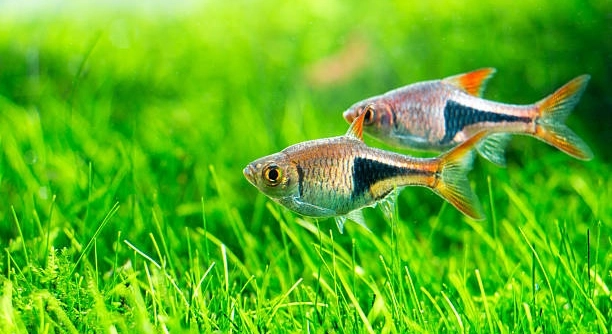
Are your new rasboras arriving safely at your home but you are unsure how to keep them healthy during the first few weeks? Proper care during this period is essential to prevent stress and disease in your fish.
Quarantining new rasboras involves setting up a separate tank with clean, stable water conditions, monitoring for signs of illness, and gradually acclimating them to their permanent environment. This process minimizes the risk of introducing pathogens to your main aquarium.
Following these steps ensures your rasboras adjust safely and remain vibrant. Proper quarantine practices will support their long-term health and growth.
Preparing the Quarantine Tank
Setting up a quarantine tank for new rasboras requires careful planning. Start with a clean tank, free from residues and chemicals. Use a sponge filter or gentle filtration system to maintain water quality without stressing the fish. The tank should have stable water parameters, matching the main aquarium’s temperature and pH as closely as possible. Avoid strong currents since rasboras are small and delicate swimmers. Include some hiding spots using plants or decorations to reduce stress. Keep the lighting moderate to prevent overexposure, which can make the fish anxious. Monitor the water daily for ammonia, nitrite, and nitrate levels to ensure a safe environment. A heater may be needed to maintain consistent temperatures, especially if the room fluctuates. Slowly introduce the fish to the new tank to reduce shock. Regular observation is crucial during the first days, watching for signs of illness, lethargy, or unusual behavior.
This careful preparation helps your rasboras settle safely before moving to the main tank.
Maintaining the quarantine tank is an ongoing process. Feed small amounts of high-quality food twice daily and remove uneaten portions promptly. Avoid adding other fish or decorations until the quarantine period ends. Daily monitoring ensures that any health issues are caught early, keeping the fish safe and stress-free until they are ready to join the main aquarium.
Monitoring and Care During Quarantine
Observe your rasboras closely for any signs of stress or illness during quarantine.
Feed small, frequent meals and maintain stable water conditions. Remove debris and check temperature, pH, and ammonia levels consistently. Keep a daily log of any unusual behavior to catch potential issues early.
During the quarantine period, patience is essential. Rasboras may hide or swim erratically as they adjust to their new environment. Keeping the water clean and stable reduces stress and lowers the risk of disease. Monitor their appearance closely, noting changes in color, fins, or swimming patterns, which may indicate infections or parasites. Avoid overcrowding, as this can increase aggression and stress. Temperature fluctuations should be minimized to prevent shock, and avoid using chemicals or medications unless absolutely necessary. If a problem arises, research treatments carefully to ensure they are safe for rasboras and compatible with the quarantine setup. By taking consistent, measured steps, you create a safe environment that allows new rasboras to acclimate successfully.
Acclimating New Rasboras
Float the sealed bag in the quarantine tank for 15–20 minutes to match water temperature. Gradually add small amounts of tank water into the bag every 10 minutes. This prevents shock and helps the fish adjust to their new environment safely.
After acclimating, gently release the rasboras into the quarantine tank using a net. Avoid pouring water from the bag directly into the tank to reduce the risk of introducing contaminants. Watch the fish closely for the first few hours, observing swimming patterns, color, and behavior. Healthy rasboras will explore their surroundings, but some may stay hidden initially, which is normal during adjustment.
Maintain a consistent feeding schedule with small amounts of high-quality food. Overfeeding can pollute the tank, so remove leftovers promptly. Continue monitoring water parameters daily. Proper acclimation and observation during this stage reduce stress and improve the chances of keeping rasboras healthy throughout the quarantine period.
Identifying Early Signs of Illness
Look for physical changes such as faded color, clamped fins, or unusual swimming patterns. Early detection is key to preventing disease spread.
Behavioral signs like lethargy, loss of appetite, or hiding more than usual can indicate stress or infection. Observe the fish at different times of day to detect patterns that may suggest illness. Keep a log of changes to track progress or worsening symptoms. Some diseases develop slowly, so consistent monitoring is necessary. Prompt attention can save affected fish and prevent the quarantine tank from becoming a source of infection.
If illness is detected, isolate affected fish if possible and research appropriate treatments. Avoid using medications unnecessarily, as they may stress healthy fish. Maintain clean water and stable conditions to support recovery. Adjust feeding if needed and monitor for improvements daily. Understanding and responding quickly to early signs ensures that your rasboras remain healthy and thrive in their new environment.
Duration of Quarantine
A typical quarantine period for new rasboras lasts two to four weeks. This allows enough time to observe for diseases, parasites, or unusual behavior before introducing them to the main tank.
Shorter quarantine periods increase the risk of spreading unseen infections. Patience ensures the safety and health of your established aquarium population.
Feeding During Quarantine
Feed small portions of high-quality flake or micro-pellet food twice daily. Avoid overfeeding, as leftover food can deteriorate water quality quickly. Monitor each fish’s eating habits to ensure all are feeding properly. Adjust amounts based on appetite and tank size to maintain a clean, balanced environment.
Water Changes
Perform partial water changes of 20–30 percent every few days. This keeps ammonia and nitrite levels low and supports the rasboras’ immune systems during quarantine.
Observing Behavior
Track how rasboras interact and swim in the tank. Noting changes helps identify early stress or health issues promptly.
FAQ
How long should I quarantine new rasboras?
Quarantine should last at least two to four weeks. This timeframe allows you to observe the fish for signs of disease or stress without risking your main tank. Some issues, like parasites, may appear slowly, so patience during this period is essential to prevent spreading infections.
Can I use decorations in the quarantine tank?
Yes, include minimal decorations like plants or small hiding spots. Avoid overcrowding the tank. Decorations reduce stress by giving the fish places to hide, but too many items can make monitoring and cleaning difficult. Keep the layout simple to maintain water quality and observe the fish easily.
Do I need a heater in the quarantine tank?
A heater is necessary if room temperatures fluctuate. Rasboras are tropical fish and need stable temperatures between 75–80°F. Sudden drops or rises in temperature can stress the fish and weaken their immune system, making them more susceptible to illness. Consistency is key during quarantine.
How often should I feed rasboras in quarantine?
Feed small amounts twice daily. Overfeeding can pollute the water and stress the fish. Remove uneaten food promptly and observe which fish are eating. Adjust portion sizes to ensure everyone is fed without compromising water quality. Proper feeding supports health and recovery during quarantine.
What signs of illness should I watch for?
Look for faded colors, clamped fins, lethargy, abnormal swimming, or loss of appetite. Early detection allows for prompt treatment and prevents the spread of disease. Monitor behavior consistently, as some conditions develop gradually. Keeping a log can help identify patterns or worsening symptoms.
Should I use medication during quarantine?
Only use medications if a specific problem is identified. Unnecessary chemicals can stress healthy fish. Focus on clean water, proper feeding, and stable conditions first. If treatment is required, research safe options for rasboras and apply them carefully, following instructions for dosage and duration.
Can I introduce multiple species in quarantine?
It’s best to quarantine only the new rasboras alone. Introducing other species can increase stress and complicate monitoring for disease. Once the quarantine period is complete and the fish are healthy, they can safely join the main tank with other species compatible with rasboras.
How do I handle water changes in quarantine?
Perform partial water changes of 20–30 percent every few days. This keeps ammonia and nitrite levels low while maintaining stable conditions. Use dechlorinated water matching the tank temperature and pH. Regular water changes support immune health and help prevent disease outbreaks during quarantine.
What should I do if a fish shows signs of illness?
Isolate the affected fish if possible and research appropriate treatments. Avoid applying medication to the whole tank unnecessarily. Maintain clean water, stable conditions, and monitor progress daily. Early intervention improves recovery chances and protects the rest of the quarantine population from infection.
How can I reduce stress during quarantine?
Provide hiding spots, keep lighting moderate, avoid sudden movements near the tank, and maintain stable water conditions. Stress weakens the immune system and can lead to illness. By creating a calm environment, you help the rasboras adjust safely and support their long-term health.
When is it safe to move rasboras to the main tank?
Only move them after the quarantine period ends, they show no signs of illness, and water parameters are stable. Gradually acclimate them to the main tank’s conditions to reduce shock. Ensuring they are fully healthy protects your established tank from potential problems.
Can quarantine prevent all diseases?
Quarantine significantly reduces the risk of introducing diseases but cannot guarantee complete prevention. Some infections may have long incubation periods. Consistent observation, proper feeding, and clean water help minimize risk and give the fish the best chance to stay healthy before joining the main aquarium.
Quarantining new rasboras is an essential step in maintaining a healthy aquarium. By keeping the new fish separate for a few weeks, you can closely observe their behavior, eating habits, and overall health. This period allows you to detect early signs of stress or illness before introducing them to your main tank. Proper quarantine practices reduce the risk of spreading diseases or parasites, which can affect the entire aquarium. Setting up a separate tank with stable water conditions, gentle filtration, and some hiding spots creates a safe environment for your new rasboras. Small steps, like gradual acclimation and consistent monitoring, make a big difference in their well-being.
During quarantine, attention to feeding and water quality is crucial. Providing small amounts of high-quality food twice daily ensures the fish receive proper nutrition without polluting the water. Uneaten food should be removed promptly to prevent spikes in ammonia or nitrite levels. Partial water changes every few days help maintain a clean and stable environment, which supports the fish’s immune system. Observing the rasboras closely for changes in color, fins, or swimming patterns allows you to respond quickly to any potential health issues. Keeping a simple log of observations can be very helpful, especially if a problem arises that requires treatment.
Patience is key throughout the quarantine process. New rasboras may hide or swim erratically at first, which is normal while they adjust to the new environment. Avoid rushing the process or introducing them to the main tank too early. Once the quarantine period is complete and the fish show no signs of illness, they can be gradually acclimated to their permanent home. By taking these careful, consistent steps, you ensure your rasboras remain healthy, stress-free, and vibrant. Proper quarantine practices not only protect the new fish but also safeguard your entire aquarium, creating a stable and thriving aquatic environment.

Hello,
If you enjoy the content that we create, please consider saying a "Thank You!" by leaving a tip.
Every little bit helps us continue crafting quality advice that supports the health, happiness, and well-being of pets around the world, for pets of all shapes, sizes, and species.
We really appreciate the kindness and support that you show us!