
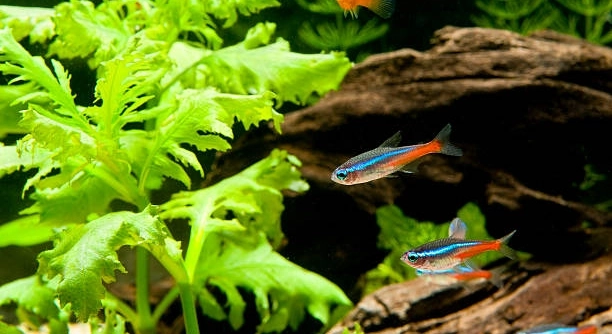
Quarantining new fish is an essential step when introducing them into your aquarium. Ensuring the health and safety of your current tank inhabitants is important, especially with sensitive species like neon tetras.
The quarantine process for neon tetras involves isolating them in a separate tank for 2-4 weeks. This helps prevent the spread of diseases to your main aquarium. Monitoring water quality, observing behavior, and ensuring proper care during this period is crucial for their health.
Following these steps will guarantee your neon tetras have a safe and smooth transition into their new home. Proper quarantine ensures their long-term health and helps prevent future issues for your aquarium’s ecosystem.
Step 1: Setting Up the Quarantine Tank
When quarantining new neon tetras, start by setting up a small, separate tank. A 5 to 10-gallon tank is sufficient for a small group of tetras. Make sure the tank is clean and equipped with a filter to maintain water quality. Use a heater to keep the water temperature between 72-78°F (22-25°C), as neon tetras prefer warm water. It’s essential to use a sponge filter to avoid stressing the fish with strong currents. A simple setup with some plants or hiding spots will help the tetras feel comfortable, though it’s not necessary to add decorations.
Next, ensure the water parameters match those of your main tank, including pH, hardness, and ammonia levels. This reduces stress on the fish when they eventually transition to the main tank. Test the water regularly and make any adjustments before introducing the tetras to the quarantine tank. This step ensures that the tetras will have a healthy environment during their isolation period.
Step 2: Acclimating the Fish
Before adding your neon tetras to the tank, float their bag in the quarantine tank for 15-20 minutes. This helps them adjust to the water temperature. Slowly add small amounts of water from the quarantine tank to the bag, over a period of 30 minutes.
Proper acclimation ensures the neon tetras transition smoothly into the new tank. Rapid changes in temperature or water parameters can cause shock, which can be harmful. During this time, monitor the fish for any signs of stress, such as erratic swimming or clamped fins.
Step 3: Monitoring Water Quality
In quarantine, maintaining water quality is crucial for neon tetras. Test the water daily to ensure ammonia, nitrite, and nitrate levels stay at safe levels. Ammonia and nitrites should be at zero, while nitrates should be below 20 ppm. Regular water changes help keep the water clean.
Perform a 25% water change every 2-3 days, depending on the tank’s condition. Ensure the water temperature stays steady within the recommended range. A stable environment reduces stress on the tetras and gives them the best chance for a smooth transition into your main tank. Keep an eye on the water parameters to prevent any issues.
Step 4: Observing Behavior
During the quarantine period, observe the neon tetras for any signs of illness or stress. Healthy tetras should swim actively, in a school, with vibrant colors. If the tetras are hiding excessively or swimming erratically, it could indicate stress or an underlying issue. Watch for clamped fins or a lack of appetite.
If any signs of illness appear, take action quickly by researching possible treatments. Isolating sick fish early is key to preventing illness from spreading. Regular observation helps catch problems early and ensures the fish are adjusting well to their temporary environment.
Step 5: Feeding Neon Tetras
During the quarantine period, feed neon tetras a varied diet to keep them healthy. Offer them high-quality flakes or pellets, along with occasional live or frozen foods like brine shrimp or daphnia. Avoid overfeeding, as excess food can pollute the water quickly.
Feed the tetras twice a day, offering only as much as they can eat in 2-3 minutes. This prevents uneaten food from breaking down in the water, which can lead to spikes in ammonia or nitrite levels. It’s important to provide a balanced diet to support their immune system and overall health during this critical period.
Step 6: Isolating Sick Fish
If you notice any signs of illness, such as white spots, lesions, or abnormal behavior, isolate the affected fish immediately. Quarantine is essential for preventing the spread of disease to the healthy tetras. Treat the sick fish separately.
For illnesses like ich or fin rot, use medications specifically designed for the issue. Follow the dosage instructions carefully to ensure effective treatment. If a fish appears severely ill or unresponsive, it might be necessary to euthanize it to prevent further harm to the other tetras.
Step 7: Preparing for the Transfer
After the quarantine period, and once the tetras show no signs of illness, they can be transferred to the main tank. Ensure that the main tank’s water parameters are stable and match the quarantine tank as closely as possible.
Before transferring, double-check that the main tank is clean and free of any potential hazards. Gradually acclimate the tetras to the main tank water by floating them in a bag, just as you did during the initial acclimation process. This helps prevent shock and ensures a smooth transition.
FAQ
How long should I quarantine new neon tetras?
New neon tetras should be quarantined for at least 2-4 weeks. This time frame allows you to monitor their health and ensure they don’t carry any diseases that could affect your main aquarium. If the fish show no signs of illness by the end of this period, they can be safely introduced to the main tank.
Can I quarantine multiple fish together?
Yes, you can quarantine multiple neon tetras together as long as the quarantine tank is large enough to accommodate them. Overcrowding can cause stress, which may lead to illness or behavioral issues. A 5-10 gallon tank should be sufficient for a small group of tetras.
What should I do if I notice signs of illness during quarantine?
If you notice any signs of illness, such as faded colors, lesions, or abnormal swimming, act quickly. Isolate the affected fish to prevent potential spread of the illness. Research the symptoms to determine the appropriate treatment, and follow all medication instructions carefully. If the illness persists, seek advice from an aquarium expert or veterinarian.
How often should I change the water in the quarantine tank?
Water changes are essential to keep the quarantine tank environment healthy. Perform a 25% water change every 2-3 days to maintain water quality. This will help reduce ammonia, nitrite, and nitrate levels, which can rise quickly in small, closed environments. Regular testing of water parameters is crucial during this period.
Can I use the same filter in the quarantine tank as my main aquarium?
While you can use the same type of filter, it’s a good idea to use a sponge filter in the quarantine tank. Sponge filters provide gentle filtration, which is important for neon tetras that are sensitive to strong water currents. If you do use a filter from your main tank, make sure it’s properly cleaned before use in the quarantine tank to avoid contaminating the water.
Should I add decorations or plants to the quarantine tank?
You don’t need many decorations or plants in the quarantine tank. A few plants or hiding spots can provide the tetras with a sense of security, but the focus should be on water quality and minimal stress. Keeping the tank simple also makes it easier to clean and monitor the tetras.
Is it okay to feed neon tetras during quarantine?
Yes, feeding neon tetras during quarantine is essential for their health. Provide high-quality flakes, pellets, or live/frozen foods such as brine shrimp or daphnia. Avoid overfeeding, as excess food can pollute the water and harm the water quality. Feed the tetras in small amounts twice a day, ensuring that they can eat everything within 2-3 minutes.
What are common signs that my neon tetras are stressed during quarantine?
Stress in neon tetras can show up as erratic swimming, loss of appetite, faded colors, or excessive hiding. If you notice these signs, check the water parameters immediately to ensure they’re in the proper range. Stress can also result from poor water quality, overcrowding, or improper tank conditions.
Can I introduce new tetras to the main tank before the quarantine period ends?
It’s not recommended to introduce new tetras to the main tank before completing the full quarantine period. Quarantining helps ensure that no diseases are introduced to your established tank, where they could spread to other fish. If you skip quarantine, you risk infecting your entire aquarium, which could be costly and difficult to treat.
How do I acclimate my neon tetras to the main tank after quarantine?
When it’s time to introduce your neon tetras to the main tank, float their bag in the water for 15-20 minutes to adjust the temperature. Gradually add water from the main tank to the bag over the next 30 minutes. This acclimation process minimizes shock when transferring them into the new environment.
Can neon tetras tolerate different water parameters?
Neon tetras are sensitive to water quality and do best in slightly acidic to neutral water with a pH of 6.0-7.0. They also prefer soft to moderately hard water, with a temperature range of 72-78°F (22-25°C). It’s important to match the water parameters in your quarantine tank and main tank to minimize stress when transferring them.
Do I need to quarantine fish if my main tank is already healthy?
Even if your main tank is healthy, quarantining new fish is still important. New fish could carry diseases or parasites that aren’t visible at first. A proper quarantine period helps catch any potential issues early, protecting your existing fish from harmful infections.
Final Thoughts
Quarantining new neon tetras is an essential step in ensuring the health and safety of both your new fish and your existing aquarium inhabitants. While it may seem like an extra effort, the process is relatively simple and can save you from future complications. Quarantine helps you monitor your new fish for any signs of disease and ensures that they adjust well to their new environment before being introduced to your main tank. By taking the time to properly quarantine, you can prevent the spread of illnesses that may be difficult to treat once they affect your established aquarium.
Maintaining water quality during quarantine is one of the most important aspects of the process. Regular water changes and testing are necessary to keep the tank environment stable and safe for the tetras. These measures ensure that harmful toxins, like ammonia and nitrites, do not build up and stress the fish. Along with water quality, keeping an eye on the behavior of the neon tetras is equally crucial. Healthy fish should be active, with bright colors and normal swimming patterns. If you notice any changes, it’s important to address the issue quickly, whether it involves isolating sick fish or adjusting the water parameters.
Ultimately, the effort you put into quarantining new fish will pay off by creating a healthier and more sustainable aquarium. Once the quarantine period is complete, and your neon tetras are free from any signs of illness, you can confidently introduce them to your main tank. The proper steps during quarantine will not only protect your current fish but will also provide a smoother transition for the new tetras, allowing them to thrive in their new home. While it may seem like a lot of work, quarantining is a small investment in the long-term health of your aquarium.

Hello,
If you enjoy the content that we create, please consider saying a "Thank You!" by leaving a tip.
Every little bit helps us continue crafting quality advice that supports the health, happiness, and well-being of pets around the world, for pets of all shapes, sizes, and species.
We really appreciate the kindness and support that you show us!