
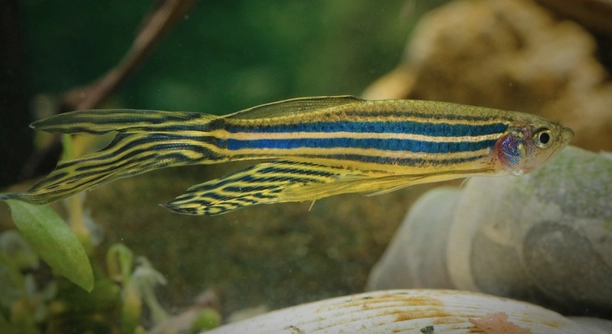
When introducing a new zebra danio to your tank, it’s important to ensure their safety and health during the transition. Quarantining them for a short period can help prevent any potential disease or stress from affecting your existing fish.
To quarantine a new zebra danio, set up a separate tank with stable water conditions, minimal decorations, and a filter. Keep the danio isolated for two weeks to observe for any signs of illness or stress before introducing them to your main aquarium.
Taking the time to quarantine your zebra danio can greatly reduce the risk of spreading diseases to your other fish. This process helps you monitor their health and ensures a smoother introduction to your tank.
Setting Up the Quarantine Tank
To quarantine your new zebra danio, you’ll need a separate tank that provides the proper conditions. The quarantine tank doesn’t need to be elaborate—just a simple setup with a heater, a filter, and some basic decorations like a small rock or plant for hiding. You want to create a stress-free environment where the fish can feel secure. It’s also crucial to match the water temperature and pH levels with your main aquarium. Make sure the water is clean and the filter is working properly to keep the tank free of contaminants.
In the quarantine tank, avoid adding too many decorations or substrate. The fish need room to swim and should not be overwhelmed by the tank’s contents. Keeping it simple helps reduce the risk of contamination and makes monitoring the fish easier. A bare bottom or a layer of sand is often best.
The quarantine period will usually last about two weeks. During this time, observe your zebra danio for any signs of illness, such as abnormal swimming, fading colors, or loss of appetite. If you notice any issues, you’ll have time to treat the fish without affecting the rest of your tank. This allows you to address health concerns early and prevent them from spreading.
Monitoring Health and Behavior
Pay attention to the fish’s behavior and look for unusual patterns, especially during feeding times.
Ensure the zebra danio is active and responsive to food. If the fish seems lethargic or isn’t eating, it could be a sign of stress or illness. If the fish looks healthy, you can prepare to introduce it to the main aquarium after the quarantine period.
Keeping the Tank Clean
Maintain a clean environment in the quarantine tank by performing regular water changes. It’s best to change about 25% of the water every few days to keep the water quality high. The filter should also be checked frequently to ensure it’s running smoothly.
A good cleaning routine is essential to prevent any build-up of waste or harmful substances. Use a siphon to remove debris from the bottom of the tank. Avoid overfeeding, as leftover food can quickly degrade water quality. Monitoring ammonia and nitrite levels is important, so use a test kit regularly.
Over time, the water will naturally collect waste from the zebra danio’s activities. By staying on top of water changes and cleaning, you’ll reduce the risk of diseases. The cleaner the water, the healthier the fish will be. It also keeps the quarantine tank more stable, making the transition easier for your zebra danio when it’s time to move it to the main tank.
Recognizing Signs of Stress or Illness
During quarantine, it’s crucial to spot signs of stress or illness early. Watch for abnormal swimming patterns, such as darting around the tank or hiding in corners. These behaviors can indicate stress, which may be caused by changes in the environment or water conditions.
Look out for physical changes like faded colors, clamped fins, or lesions on the fish’s body. If your zebra danio shows any of these signs, it might be dealing with an illness. Don’t hesitate to take action and treat the fish accordingly. Stress can weaken the immune system and make the fish more susceptible to diseases.
Monitor the water quality closely and adjust if necessary. Temperature fluctuations, poor water chemistry, or overcrowding can all contribute to stress. By maintaining ideal conditions, you can help the zebra danio stay comfortable and healthy during this important quarantine period.
Feeding the Zebra Danio in Quarantine
When feeding your zebra danio, stick to small portions to avoid overfeeding. Offer food that’s easy for them to consume, like high-quality flakes or micro pellets. Feed them twice a day, only what they can finish in a couple of minutes.
It’s important to keep feeding schedules consistent. Offering a variety of foods, such as live or frozen foods, can be beneficial for their nutrition. However, don’t overdo it—leftover food can pollute the water. Make sure to remove any uneaten food after each feeding.
Testing Water Parameters
Regularly test the water in the quarantine tank for ammonia, nitrites, and pH levels. These are critical indicators of water quality and can impact the health of your zebra danio. Ensure the water parameters are stable and ideal for your fish.
The proper range for ammonia and nitrites is zero, while pH should be between 6.5 and 7.5. Keeping these levels in check will minimize stress and prevent diseases. If the readings fall outside these ranges, perform a water change and adjust as needed.
FAQ
How long should I quarantine my zebra danio?
It’s recommended to quarantine your zebra danio for at least two weeks. This period allows you to monitor their health closely, ensuring they’re free of any diseases or parasites before introducing them to your main tank. If any health issues arise, it also gives you time to address them before they can affect other fish. If everything looks good at the end of two weeks, you can safely add the zebra danio to your main aquarium.
What should I do if my zebra danio isn’t eating in quarantine?
If your zebra danio isn’t eating, it could be stressed, adjusting to its new environment, or dealing with a health issue. First, make sure the water parameters are ideal. Stress from poor water quality can lead to a loss of appetite. Try offering different types of food like live or frozen options to stimulate feeding. If the fish still refuses to eat, observe for any other signs of illness, such as faded colors or unusual swimming, and address any potential health problems immediately.
Can I add other fish to the quarantine tank with my zebra danio?
It’s best to keep your zebra danio in quarantine by itself. Adding other fish to the quarantine tank could introduce diseases or stress to your new zebra danio. The quarantine tank should be used to monitor the health of a single fish to ensure any problems are easily identifiable. Once the quarantine period is over, and you’re sure the zebra danio is healthy, you can introduce it to your main tank with other fish.
Should I use a heater in the quarantine tank?
Yes, using a heater is recommended to maintain a stable water temperature in the quarantine tank. Zebra danios thrive in temperatures between 70-78°F (21-26°C). A consistent temperature reduces stress and ensures the fish is comfortable. Sudden temperature fluctuations can weaken their immune system, making them more vulnerable to illnesses.
Can I use the same filter for both the main tank and the quarantine tank?
It’s not a good idea to use the same filter between the main tank and the quarantine tank. While it may seem convenient, transferring a filter could introduce bacteria or parasites from one tank to the other. Each tank should have its own filter to avoid cross-contamination. However, if you’re in a pinch, you could temporarily use a filter from the main tank for the quarantine tank, but be sure to clean it thoroughly before reusing it.
Do I need to do water changes in the quarantine tank?
Yes, regular water changes are essential in the quarantine tank. Changing about 25% of the water every few days helps keep the water clean and removes any waste buildup. Since the quarantine tank is a smaller, isolated environment, it’s important to maintain good water quality to avoid stressing your zebra danio. Additionally, keeping an eye on ammonia and nitrite levels will help you determine if more frequent water changes are necessary.
What should I do if I notice signs of illness in my zebra danio during quarantine?
If you notice signs of illness, such as abnormal swimming, loss of appetite, or faded colors, it’s crucial to act quickly. First, check the water quality to make sure it’s not the cause of the stress. If the water parameters are fine, you may need to treat the fish with the appropriate medication. It’s best to isolate the sick fish in the quarantine tank to prevent any potential spread of illness to other fish. Keep the fish under observation, and consult a veterinarian or an experienced fish keeper for guidance on treatment.
How do I know when it’s safe to add my zebra danio to the main tank?
Once the two-week quarantine period is over, and the zebra danio shows no signs of illness or stress, it should be safe to introduce them to the main tank. If you’re still unsure, you can perform a final check on the water quality and fish behavior. If everything is stable and healthy, you can confidently add the zebra danio to your aquarium. Make sure the main tank is properly acclimated to the new fish by monitoring the environment and introducing the zebra danio gradually.
What size should the quarantine tank be for a zebra danio?
A small quarantine tank, around 5-10 gallons, is usually sufficient for a single zebra danio. This size allows you to keep the fish isolated and gives you enough space to monitor their health. You don’t need a large tank, as the main goal is to observe the fish in a low-stress environment. The water conditions and cleanliness are more important than the size of the tank during quarantine.
Can I add plants or decorations to the quarantine tank?
While plants and decorations aren’t necessary in the quarantine tank, adding a few simple items can help reduce stress for the zebra danio. A small plant or rock provides hiding spots and makes the tank feel more natural. However, avoid overcrowding the tank, as too many decorations can interfere with water circulation and make it harder to spot signs of illness or stress. Keep things minimal, so the fish has space to swim and feel secure.
Final Thoughts
Quarantining a new zebra danio is an essential step to ensure the health and safety of both your new fish and the rest of your aquarium. By isolating the zebra danio in a separate tank for a couple of weeks, you give yourself time to monitor its health and behavior. This period helps you identify any potential illnesses before introducing the fish to your main tank. Even if the zebra danio appears healthy, quarantine can provide peace of mind that it’s free from any hidden diseases or parasites. A little extra care and attention during this time can prevent many problems down the road.
Keeping the quarantine tank clean and maintaining stable water conditions is key to ensuring the zebra danio’s well-being. Regular water changes and testing water parameters like ammonia, nitrite, and pH levels will help keep the environment safe for the fish. Even though the tank doesn’t need to be overly decorated, having a few simple hiding spots can help the zebra danio feel secure during its isolation. The goal is to minimize stress while keeping the water quality high, which will contribute to a smoother transition to the main aquarium once the quarantine period is over.
In the end, taking the time to properly quarantine your zebra danio is a small but important task that will ensure a healthier, happier fish. The process doesn’t have to be complicated, and with careful monitoring, you’ll be able to spot any issues early on and address them before they affect your entire tank. While it might feel like extra work, quarantine is a preventive measure that can save you from larger headaches later. By following these basic steps, you’re helping your zebra danio get off to the best start possible, ensuring a long and healthy life in your aquarium.

Hello,
If you enjoy the content that we create, please consider saying a "Thank You!" by leaving a tip.
Every little bit helps us continue crafting quality advice that supports the health, happiness, and well-being of pets around the world, for pets of all shapes, sizes, and species.
We really appreciate the kindness and support that you show us!