
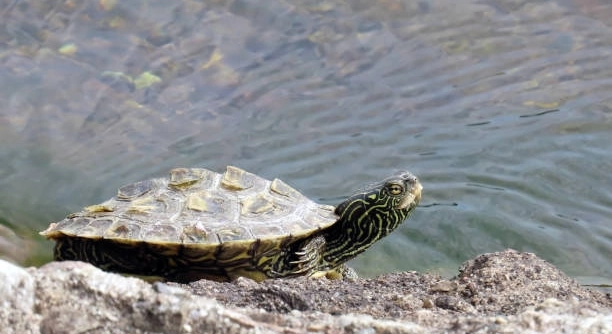
Map turtle hatchlings face many challenges as they begin their journey into the world. These young turtles are vulnerable to numerous predators that can threaten their survival. Knowing how to protect them is crucial for ensuring their future.
To protect map turtle hatchlings from predators, the primary approach is to create safe environments. This involves placing the nests in areas with natural cover, minimizing human interference, and keeping a watchful eye for potential threats from animals like birds and mammals.
Taking simple steps can help improve the chances of hatchlings surviving their vulnerable early stages. Ensuring their safety and providing the right environment can lead to healthier populations.
Choosing the Right Nesting Location for Hatchlings
The first step to protecting map turtle hatchlings begins with selecting the right nesting spot. Turtles naturally prefer quiet, undisturbed areas, where they can safely lay their eggs. You should aim to place the nest in a location with plenty of cover, such as under thick vegetation or near natural features like rocks or logs. Avoid placing nests in open areas, where predators can easily spot them.
When selecting a nesting spot, consider the proximity to water. Hatchlings need to reach water soon after they hatch, so placing the nest too far from a water source could cause them stress and increase their chances of being attacked by predators during their dash to safety. The closer they are to water, the better.
Turtles need the right conditions to thrive, especially as hatchlings. Their nests should be carefully monitored during hatching season to make sure the location is safe. Protecting map turtle hatchlings starts with creating an environment where they are less exposed to dangers. Additionally, avoid areas that are frequently visited by large animals or human activity. It’s vital to choose a spot that offers natural shelter and minimal disturbance.
Minimizing Human Interference
Human activity can be a significant risk for turtle hatchlings. As they begin to emerge from their nests, they can easily be disturbed or harmed by people walking nearby. Even if the intentions are good, it’s important to minimize interference with the hatchlings’ natural behavior.
Hatchlings are fragile during the first few hours or days after they emerge. The best way to protect them from human impact is to keep the area surrounding the nests off-limits. If you’re working in an area where map turtles are known to lay eggs, consider marking the nests to prevent accidental disturbance.
Protecting Hatchlings from Bird Predators
Birds pose one of the greatest threats to map turtle hatchlings, especially during their initial journey to water. To reduce the risk of predation, place the nests in areas with thick vegetation or low-growing plants that birds can’t easily see through. This cover makes it harder for birds to spot hatchlings and increases their chances of survival.
Some bird species, such as crows and seagulls, are opportunistic hunters and will target turtle hatchlings if given the chance. By ensuring the hatchlings are well hidden, you can help keep them safe from aerial predators. Using natural barriers like fallen branches, shrubs, or other vegetation can give them a better chance to escape undetected.
Additionally, if you observe frequent bird activity near a nesting site, consider setting up deterrents like bird netting or scarecrows. While they may not guarantee 100% protection, they can significantly reduce the number of birds that approach the area. Monitoring the nests closely during hatching season can make all the difference.
Protecting Hatchlings from Mammalian Predators
Mammals are also a serious threat to map turtle hatchlings, particularly raccoons, foxes, and opossums. These animals are known to dig up nests and eat the eggs or prey on the hatchlings once they’ve emerged. It’s important to ensure that nests are placed in areas where these mammals are less likely to roam or dig.
To reduce the risk of mammalian predators, consider using protective barriers. Fencing around the nest can keep raccoons and other predators from accessing the area. The fence should be buried a few inches into the ground to prevent animals from digging underneath it. It’s also helpful to monitor the area for signs of animal activity, like tracks or droppings, to determine if any predators are nearby.
Another useful tactic is to make the surrounding area less appealing to mammals. For instance, clearing away food scraps, garbage, or other attractants can discourage animals from frequenting the area. Keeping the space clean and free from any easy food sources may help protect the hatchlings from being targeted by mammalian predators.
Use of Nesting Traps
Nesting traps can be an effective tool to protect map turtle hatchlings from predators. These traps can help safely relocate eggs or hatchlings to a safer area, minimizing exposure to dangers such as birds or mammals. When setting up a trap, it’s important to choose a location with plenty of natural cover.
Traps should be monitored regularly to ensure hatchlings are not trapped for long periods. They should be used only as a temporary solution while a more secure nesting area is established. Proper use of nesting traps can help ensure better survival rates for the hatchlings.
Predator Awareness and Monitoring
Regular monitoring of the nesting site is key to protecting map turtle hatchlings. Keeping track of any signs of predators or disturbances allows for timely intervention. Early detection of potential threats, such as tracks from mammals or activity from birds, can help you take steps to secure the area before hatchlings emerge.
Setting up cameras or using motion detectors around the nesting site can provide additional protection. It also helps identify any predators that may be lurking nearby, even when you’re not around. The more you stay informed about the environment, the better you can protect the hatchlings.
Habitat Restoration
Restoring the natural habitat around nesting sites can play a large role in protecting map turtle hatchlings. A healthy environment filled with dense vegetation, clear water, and minimal human interference offers the best chances for the hatchlings’ survival. Focus on planting native vegetation around nesting areas to improve cover.
Restoring natural habitats involves more than just protecting nests. It also includes ensuring the surrounding areas are free from pollution, waste, and invasive species. Healthy ecosystems support not only hatchlings but all wildlife in the area. By preserving these environments, you provide a safer home for future generations of turtles.
FAQ
What are the main predators of map turtle hatchlings?
Map turtle hatchlings face threats from a variety of predators. Common predators include birds, such as crows, seagulls, and herons, which can spot hatchlings as they make their way to water. Mammals, including raccoons, foxes, and opossums, also pose significant threats as they dig up nests or prey on hatchlings. Even larger fish or turtles might pose a danger if the hatchlings are near water. Keeping the nest site well-hidden and monitoring the area closely can help reduce these risks.
How can I tell if a map turtle nest is being disturbed by predators?
You can often tell if a map turtle nest is being disturbed by the presence of animal tracks around the site. Raccoon tracks, for example, are easily recognizable by their rounded, hand-like shape. You may also see signs of digging, especially around the edges of the nest, or disturbed soil. If birds or mammals are scavenging, you might spot broken eggshells. Regular monitoring can help you identify if there’s a predator issue and take action quickly.
Should I interfere with hatchlings once they emerge from the nest?
It’s best to minimize interference when hatchlings emerge from the nest. They instinctively know the direction they need to move in, usually heading toward the water. Interfering can cause unnecessary stress and may slow down their progress. However, if there’s an immediate risk, such as dangerous weather or predators in the area, gently guiding them or relocating them to safety can help. It’s crucial, though, not to disrupt their natural instincts unless absolutely necessary.
How do I protect map turtle hatchlings from bird predators?
To protect map turtle hatchlings from bird predators, try to place nests in locations with plenty of natural cover, like tall grasses or shrubs. Dense vegetation makes it harder for birds to spot the hatchlings as they make their way to the water. You can also set up scarecrows or use reflective materials to deter birds from approaching the area. Another option is to cover the nest with bird netting, which can keep them away while still allowing the hatchlings to safely emerge.
Is it safe to relocate map turtle nests if I think they’re at risk?
Relocating map turtle nests should be a last resort, as hatchlings are best left in their natural environment. If the nest is in immediate danger from predators or human disturbance, it’s okay to move it to a safer area. The new location should have similar conditions—natural cover and close proximity to water. Be sure to handle the eggs or hatchlings carefully and ensure they are not exposed to extreme temperatures during the relocation. If unsure, consult a local wildlife expert for advice.
Can human activity near a nest harm the hatchlings?
Yes, human activity near a turtle nest can be harmful. Excessive foot traffic or loud noise can disrupt the nesting area and cause stress to both the eggs and the hatchlings. Additionally, human presence may attract predators. To avoid causing harm, it’s best to minimize activity near turtle nesting sites. If you’re aware of a nest in the area, keeping the area quiet and undisturbed is essential for the hatchlings’ survival.
How long does it take for map turtle hatchlings to reach the water after they hatch?
Map turtle hatchlings typically take a few hours to a day to reach the water after emerging from their nest. They must navigate through various challenges, including predators, obstacles, and varying terrain. During this time, they are especially vulnerable, so the quicker they can get to water, the better their chances of survival. Providing a clear path and ensuring there are no immediate threats can help them reach safety more efficiently.
What steps can I take to protect the habitat around a map turtle nest?
Protecting the habitat around a map turtle nest involves ensuring that the area remains undisturbed and free from human-made threats. Avoid littering or introducing chemicals or pollutants that could harm the environment. You can also plant native vegetation around the nest to improve cover for the hatchlings. If the area is at risk from invasive species, work to remove them, as these species can disrupt the balance of the local ecosystem. By maintaining a healthy habitat, you improve the chances of hatchlings surviving and thriving.
Are there any specific predators that target turtle eggs?
Yes, several animals specifically target turtle eggs. Raccoons are one of the most notorious egg predators, often digging up nests to feed on the eggs. Foxes and opossums also target turtle eggs when they find them. In some areas, even dogs can be a threat to eggs if they dig up nests out of curiosity. Using protective barriers like fences or screens can help shield the eggs from these predators.
How can I know if the hatchlings have reached water safely?
After hatchlings leave the nest, it’s not always possible to track their progress. However, you can look for signs such as disturbed soil near the water’s edge, indicating they successfully made it through the terrain. You may also spot hatchlings in the water shortly after their journey. If you’re concerned, monitor the area for any signs of them returning to the shore or encountering predators. Ensuring the path is clear from the nest to the water can improve their chances of reaching safety.
Final Thoughts
Protecting map turtle hatchlings requires attention to detail and a focus on creating safe environments. By carefully selecting nesting sites that offer natural cover and minimal human interference, you give hatchlings the best chance of survival. The use of simple methods like adding protective barriers, monitoring for predators, and guiding hatchlings when necessary can significantly reduce the risks they face. It’s important to stay observant and aware of the challenges that hatchlings face, especially during their vulnerable early stages.
While the challenges of protecting map turtle hatchlings are many, the efforts can make a big difference. Small changes in how we interact with these nests and hatchlings can lead to improved survival rates. This means ensuring the surrounding environment is free of unnecessary threats like predators, pollution, and human disturbance. With a little effort, you can help create a safer habitat for hatchlings, giving them a better start in life. Working together with local wildlife groups or experts can also help provide support and resources for successful conservation efforts.
Ultimately, the goal is to preserve these turtles and ensure their long-term survival. By being proactive and mindful of the threats map turtle hatchlings face, we can help increase the number of healthy turtles reaching maturity. Protecting these tiny creatures now not only supports their future but also contributes to maintaining the balance of their ecosystems. Every step you take to protect map turtle hatchlings has a lasting impact, making it crucial to be informed and take action.

Hello,
If you enjoy the content that we create, please consider saying a "Thank You!" by leaving a tip.
Every little bit helps us continue crafting quality advice that supports the health, happiness, and well-being of pets around the world, for pets of all shapes, sizes, and species.
We really appreciate the kindness and support that you show us!