
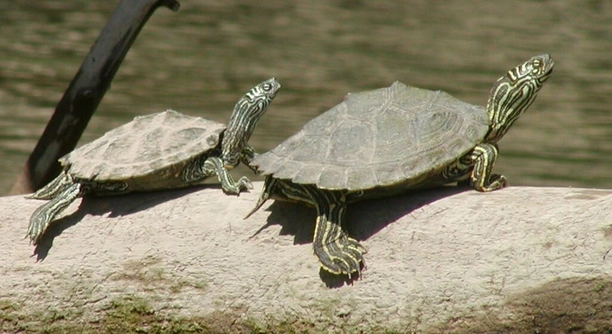
Map turtle hatchlings face many dangers as they emerge from their nests. Predators pose a significant threat to their survival. Protecting these vulnerable creatures is crucial for their long-term conservation and well-being in the wild.
Protecting map turtle hatchlings from predators involves several strategies. Ensuring that the nesting sites are carefully chosen, using protective barriers, and monitoring hatchling movements can greatly reduce the risk. Additionally, limiting human disturbances and predator presence helps ensure safer hatching conditions.
With the right precautions, map turtle hatchlings can thrive. Protecting their early stages ensures that these creatures grow into mature turtles capable of contributing to their species’ survival.
Choosing Safe Nesting Sites
Map turtles rely heavily on finding the right nesting location. These areas should be quiet, sheltered, and away from common predators like raccoons and birds. A good nesting site has soft, sandy soil where the female can dig and lay her eggs. Choosing a spot far from human activity helps minimize the risk of disturbance. Flood-prone areas should be avoided, as they could wash away the eggs or expose them to other dangers. Protecting the nesting environment is one of the first steps to ensuring the survival of hatchlings.
Selecting a safe, quiet place to nest is essential to the survival of map turtle hatchlings. The right conditions can make a significant difference in their chances of making it to the water.
If the right nesting site is chosen, the hatchlings have a better chance of surviving. Predators are more likely to stay away from areas that are less accessible or where human activity is limited. Safe nesting sites help reduce the likelihood of predation and increase the survival rate of the hatchlings.
Creating Barriers for Protection
One of the most effective ways to protect hatchlings is by setting up barriers. These can be simple mesh fences or netting that create a boundary around the nest. This prevents predators from accessing the eggs before they hatch. It also helps keep hatchlings from wandering into dangerous areas once they emerge from the nest. These barriers need to be strong enough to withstand the efforts of animals like raccoons, which are skilled at getting into areas with food. The barriers should be placed a short distance around the nesting area to ensure a safe environment for the young turtles.
Barriers offer protection by limiting predator access. They also ensure the hatchlings can make it to the water without getting lost or caught in risky environments. These barriers give the turtles a better chance of survival.
Once hatchlings emerge, they are incredibly vulnerable to predators. Adding a protective fence around the nest is a simple but effective method. By doing so, you can give these delicate creatures a fighting chance to make it safely to the water. As the hatchlings begin their journey, they will have fewer obstacles in their path, significantly lowering the chances of an early demise. Barriers help reduce the need for constant human intervention and ensure the survival of these young turtles.
Monitoring Hatchling Movements
Monitoring the hatchlings after they leave the nest is critical. As soon as they emerge, they need to be directed toward the water. Without guidance, hatchlings may head in the wrong direction, increasing their risk of predation. Monitoring helps ensure they stay on track.
Once the hatchlings begin their trek, it’s important to watch over them closely. Many predators, such as birds and mammals, are drawn to the sight of small, vulnerable creatures. Keeping a careful watch over the hatchlings as they make their way to water ensures they avoid these threats. The sooner they reach safety, the better their chances of survival.
Hatchlings are incredibly small and defenseless, making them an easy target for predators. They tend to scatter once they hatch, and it’s important to help guide them in the right direction. By watching their movements, you can step in if they are heading toward danger, redirecting them to the safer path toward water. Monitoring these movements makes a world of difference in their chances of reaching safety.
Reducing Human Disturbance
Reducing human interference is essential when protecting map turtle hatchlings. The more people are around the nesting sites or hatchling pathways, the higher the risk of accidental harm. Human presence can also attract predators, which are drawn by the scent of human activity.
It’s important to ensure that people stay clear of nesting sites during the breeding and hatching seasons. Disturbance from humans can cause the adult turtles to abandon their nests, or hatchlings may get lost if they are frightened by human activity. In some cases, even well-meaning individuals can unintentionally harm the young turtles. By minimizing this disturbance, we give the hatchlings a chance to thrive undisturbed.
Even small actions, like avoiding the area or not disturbing the hatchlings, can go a long way. Ensuring that human presence is limited helps keep the hatchlings safe and encourages natural behaviors. The fewer disruptions the turtles face, the better their chances of survival as they grow into adults.
Limiting Predator Access
Keeping predators away from the hatchlings is a critical step in ensuring their survival. Animals such as raccoons, foxes, and birds are drawn to the scent of vulnerable eggs and young turtles. Using natural deterrents can help keep these threats at bay.
One method is using scents that predators avoid, such as human scent or predator urine. These can be strategically placed around the nesting area to create an unpleasant environment for potential threats. Additionally, setting up motion-activated lights or sprinklers may also deter animals from approaching. Any technique that limits predator access is beneficial.
Creating Safe Pathways
Creating a safe pathway to the water is another key aspect of protecting hatchlings. After emerging from the nest, hatchlings often have to navigate a dangerous terrain filled with predators. A simple solution is to clear the path and ensure no obstacles stand in their way.
By removing rocks, tall grasses, or other debris, you make it easier for hatchlings to reach the water safely. Additionally, you can place markers or guide them gently if necessary. A safe, clear route minimizes the chances of the hatchlings getting lost or caught by predators.
Using Protective Nets
Protective nets can be an effective barrier against predators. These nets are placed over nesting areas or hatchling paths to create a physical boundary. They prevent predators from reaching the vulnerable eggs and hatchlings, while still allowing the young turtles to safely pass through once they emerge.
Nets should be checked regularly for any signs of damage or wear. Properly installed nets are an easy way to ensure that predators cannot easily access the nesting site. In addition to physical barriers, nets also offer a way to monitor the hatchlings’ progress as they make their way to safety.
FAQ
What are the main predators of map turtle hatchlings?
Map turtle hatchlings face several natural predators, including raccoons, foxes, birds, and larger fish. Raccoons are particularly skilled at finding nests and will dig up the eggs if they detect them. Birds, such as crows and gulls, often target hatchlings immediately after they emerge from the nest. Larger fish, such as bass, can also pose a threat once the hatchlings reach the water. These predators are naturally drawn to the hatchlings because they are small, slow-moving, and easy to catch.
How can I help protect map turtle hatchlings from predators?
To protect map turtle hatchlings from predators, you can set up physical barriers like nets or mesh fences around the nesting site. Additionally, monitoring the area closely and reducing human disturbance can help minimize the risk of predation. Once hatchlings emerge, they should be gently guided toward the water to prevent them from getting lost or being exposed to predators. These actions provide a better chance of survival for the young turtles.
What is the best way to keep predators away from nesting sites?
You can keep predators away by using natural deterrents like scents that they avoid, such as predator urine or human scent. Motion-activated lights or sprinklers can also discourage animals like raccoons from approaching. Setting up barriers around the nest, such as a fine mesh netting, is another effective measure. The goal is to create an environment that makes the nest less appealing to predators.
Should I intervene if I see hatchlings going in the wrong direction?
Yes, if you spot hatchlings heading in the wrong direction, you should gently guide them back to the proper path toward the water. Hatchlings are often disoriented after they emerge, and their natural instincts might lead them into dangerous areas, such as roads or other hazards. While it’s important not to disturb them too much, a light, non-invasive intervention can save their lives.
What should I do if I find a nest of map turtle eggs?
If you find a nest of map turtle eggs, it’s best not to disturb it. Contact a local wildlife conservation group or biologist who can help assess the situation. If the eggs are in immediate danger from predators, they may need to be relocated. However, the process of moving the eggs should only be done by professionals to ensure that the hatchlings have the best chance of survival.
How can I tell if map turtle eggs are close to hatching?
Map turtle eggs typically take around 70 to 90 days to hatch, depending on environmental conditions. As the hatchlings near the end of their development, you may notice slight cracking or small holes in the eggshell. If the nest has been disturbed, you may also see signs of hatchlings trying to dig their way out. Close monitoring in the final weeks can help ensure the hatchlings are safe when they emerge.
Why is it important to protect the hatchlings immediately after they emerge?
The first few hours after hatchlings emerge are critical. They are very vulnerable to predators during this time and need to be guided to the safety of the water as quickly as possible. Hatchlings are slow movers, and their instinctive behavior often leads them to wander off course. Immediate protection and careful guidance ensure they avoid being caught by predators and have a better chance of survival.
How long does it take for map turtle hatchlings to reach maturity?
Map turtles take several years to reach maturity. Typically, they will not start breeding until they are between 5 to 10 years old, depending on their environment and the availability of resources. Hatchlings grow relatively slowly, and it can take a decade or more for them to reach full adult size. Protecting them during their early stages is vital for ensuring they make it to adulthood.
Is it safe to handle map turtle hatchlings?
While it is generally safe to handle map turtle hatchlings, it’s best to minimize direct contact with them. Excessive handling can cause stress or physical harm. When guiding hatchlings to the water, do so gently and only when necessary. If you need to touch them, make sure your hands are clean and dry, and avoid pressing down on their delicate shells.
What role do human activities play in the survival of map turtle hatchlings?
Human activities can either harm or help the survival of map turtle hatchlings. Activities such as construction near nesting sites or increased traffic can disturb the turtles and make them more vulnerable to predators. However, humans can also play a positive role by setting up protected nesting areas, reducing disturbance, and taking steps to limit the impact of predators. Conservation efforts that focus on protecting natural habitats and reducing human interference can greatly increase hatchling survival rates.
How can I tell if the map turtle population in my area is in danger?
If you notice a significant decline in the number of map turtles or if the nests are consistently being disturbed by predators, it may indicate that the local population is at risk. Other signs include an increase in environmental threats such as pollution or habitat destruction. You can contact local wildlife agencies or conservation groups to get more information about the state of the population in your area.
Final Thoughts
Protecting map turtle hatchlings is a crucial step in ensuring the survival of this species. With many natural predators in the area, hatchlings are vulnerable right from the moment they emerge from their nests. Raccoons, birds, and other animals can quickly find and prey on them, making it important to take steps that reduce the risk of predation. Simple measures like setting up barriers, using predator deterrents, and guiding hatchlings to safety can make a big difference. These small efforts can significantly increase the chances of the hatchlings reaching the water and eventually growing into healthy adult turtles.
While helping hatchlings may seem like a lot of work, the effort is worth it. Map turtles play an important role in their ecosystems, helping to maintain the balance in freshwater habitats. By ensuring their survival during the early stages, we contribute to the overall health of local biodiversity. It’s also rewarding to know that we can make a real difference. Protecting turtle hatchlings doesn’t require special knowledge or tools; it only takes observation, care, and a willingness to act when necessary. Even small contributions can have a lasting impact on the future of these creatures.
In the end, every step we take to protect map turtle hatchlings matters. Whether it’s preventing predators from accessing nesting sites, monitoring hatchlings as they emerge, or simply learning more about their needs, all efforts are valuable. By taking action and spreading awareness, we help ensure that future generations of map turtles can thrive. The path to a healthier turtle population starts with the care and attention we give to hatchlings today. With more people involved in their protection, we can create a safer, more sustainable environment for these turtles.

Hello,
If you enjoy the content that we create, please consider saying a "Thank You!" by leaving a tip.
Every little bit helps us continue crafting quality advice that supports the health, happiness, and well-being of pets around the world, for pets of all shapes, sizes, and species.
We really appreciate the kindness and support that you show us!