
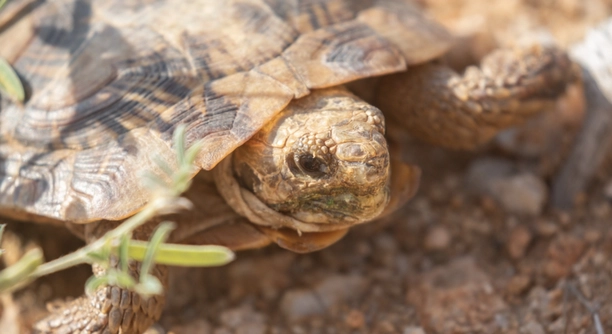
Storing food for your pancake tortoise properly is key to keeping it fresh and nutritious. Knowing how to avoid spoilage ensures your tortoise gets the best meal every time. Learn simple storage tips for optimal freshness.
To prevent spoilage and maintain freshness, store pancake tortoise food in a cool, dry place. Use airtight containers for perishable items and keep them in the fridge or freezer, depending on the type of food. Avoid exposure to moisture and heat.
By understanding proper storage methods, you can ensure your pancake tortoise always enjoys fresh food, promoting its health and well-being.
Why Proper Storage Is Crucial for Your Pancake Tortoise’s Health
Storing food for your pancake tortoise correctly is essential for its health. This species thrives on a variety of plant-based foods, including leafy greens, flowers, and vegetables. When these foods aren’t stored properly, they can spoil quickly, losing their nutritional value. If exposed to moisture or stored improperly, bacteria and mold can form, which can cause digestive problems for your tortoise. Additionally, the food’s texture and taste may degrade, making it less appealing for your tortoise. Ensuring that you follow proper storage methods not only maintains the quality of the food but also helps to avoid any health risks.
Keeping food fresh starts with knowing the right temperature and environment for each type of food. Some foods can be refrigerated while others need to be frozen. Air-tight containers are key to preventing exposure to moisture, which speeds up spoilage. Always remove excess moisture from fresh foods before storing.
Once you get the basics down, storing pancake tortoise food becomes a simple task. Keeping it clean, dry, and cool is your best bet for fresh meals every time. Check your food regularly for signs of spoilage to stay on top of any issues. When done right, your tortoise can enjoy nutritious meals, helping it stay healthy and active.
The Role of Moisture in Food Spoilage
Moisture is one of the biggest enemies when it comes to storing pancake tortoise food. It promotes bacterial growth, leading to early spoilage. Always ensure that the food is dry before storing it to maintain its quality.
Excess moisture in stored food creates a breeding ground for mold and harmful bacteria. If the food is not dried properly before storage, these contaminants can develop quickly, even in cooler environments. Be mindful of any condensation that may form in containers, especially if storing fresh, wet items. Properly drying the food and using moisture-proof containers can prevent these problems.
Refrigeration vs. Freezing: What’s Best for Pancake Tortoise Food
Refrigeration is ideal for most fresh foods like leafy greens and vegetables. Freezing is better for long-term storage of items like fruit or prepared meals. The key is knowing when each method is needed to preserve the nutrients and texture of the food.
Refrigeration slows down spoilage by keeping foods cool, preserving their texture and nutrients for a few days. Leafy greens like dandelion leaves or clover can last in the fridge for up to a week. However, storing these foods in an airtight container is essential to prevent moisture buildup and wilting. Once the food starts to deteriorate, it’s best to dispose of it. Keeping the fridge at a consistent temperature is important for maintaining freshness.
Freezing food is the best way to preserve it long-term. Items like fruits, vegetables, and even mixed food blends can be frozen to keep them from spoiling. Freezing doesn’t affect the nutritional content, but it does change the texture slightly. It’s best to freeze foods in portioned amounts, so you can easily thaw just what your tortoise needs. Thaw the food gradually, and never refreeze thawed food to prevent spoilage.
Airtight Containers: A Must for Freshness
Using airtight containers is an effective way to preserve the quality of pancake tortoise food. These containers prevent exposure to air and moisture, which are common causes of spoilage.
Airtight containers help maintain the freshness of stored food by sealing it off from contaminants. When storing vegetables, flowers, or prepared food, always use containers that have tight-fitting lids. This helps reduce air contact, which slows down the degradation process. These containers also protect the food from absorbing odors in the refrigerator or freezer. Regularly check the containers for any cracks or leaks to ensure they remain fully sealed.
Using clear containers can also help you easily monitor the condition of the food. You’ll be able to spot any signs of spoilage before it becomes a bigger problem. Additionally, storing food in containers that are appropriately sized for the amount you’re keeping reduces waste and prevents frequent handling, which can expose food to bacteria. Keep these containers clean to avoid cross-contamination from previous food storage.
Labeling and Dating Your Food
Labeling and dating the food you store helps keep track of freshness and prevents feeding your pancake tortoise spoiled food. Knowing when the food was stored or prepared can help you rotate items before they go bad.
By marking the date on the food, you can easily identify what needs to be used first. This prevents confusion and helps ensure that food is consumed before it reaches its expiration. It also helps track how long items have been stored, which is important for avoiding feeding food that’s too old.
Best Containers for Storing Fresh Food
Plastic containers, glass jars, and vacuum-sealed bags are the best choices for storing fresh food for your pancake tortoise. These options help prevent air and moisture from affecting the food.
Plastic containers are lightweight and easy to store, making them ideal for both refrigerated and frozen foods. Glass jars offer a more eco-friendly option and are durable for long-term use. Vacuum-sealed bags remove air, extending freshness and preventing freezer burn when freezing large portions.
Avoid Overfeeding to Prevent Waste
Overfeeding can lead to wasted food and potential spoilage. Only offer what your pancake tortoise will eat within a short period.
By offering smaller portions, you can ensure the food remains fresh for your tortoise. If food is left uneaten, it can start to spoil and may even harm your tortoise’s health if consumed later.
FAQ
How long can I store fresh vegetables for my pancake tortoise?
Fresh vegetables like leafy greens and flowers can typically be stored in the refrigerator for up to a week. After that, their nutritional value starts to decrease, and they may wilt or spoil. For best results, use airtight containers to keep them fresh longer. If you notice any wilting, it’s best to dispose of the food. To keep a steady supply, buy in small amounts and rotate your stock regularly. Avoid storing fresh vegetables for more than a week to ensure they remain nutritious and safe for your tortoise.
Can I freeze my pancake tortoise’s food?
Yes, freezing is an excellent option for storing food for your pancake tortoise. You can freeze fruits, vegetables, and even prepared food blends. Freezing helps maintain the nutritional value of the food, though it can slightly change the texture. It’s important to freeze food in small, portioned amounts to make thawing easier. Always use vacuum-sealed bags or airtight containers to avoid freezer burn. Once thawed, do not refreeze food, as this can lead to spoilage. Only thaw the portion your tortoise will eat at once to prevent waste.
What are the best foods to store for my pancake tortoise?
Pancake tortoises thrive on a variety of plant-based foods, including leafy greens like collard greens, dandelion greens, and clover, as well as flowers such as hibiscus and dandelions. Vegetables like squash, zucchini, and bell peppers are also great options. These foods can be stored in the fridge for a short time or frozen for long-term use. Fruits like strawberries, figs, and mangoes can be given occasionally, but they should be stored in moderation to avoid overfeeding. Stick to fresh, pesticide-free foods for the best results.
How can I prevent mold from forming on my pancake tortoise’s food?
To prevent mold, ensure that the food is completely dry before storing it. Moisture is a primary cause of mold growth. Use paper towels or cloth to dry leafy greens and other vegetables before placing them in airtight containers. Check food regularly for signs of mold and discard any affected items immediately. Storing food in the fridge at the right temperature (around 40°F or 4°C) can also help slow down mold growth. Avoid leaving food exposed to the air for long periods, as this can lead to moisture buildup and mold.
Is it safe to store fruits for my pancake tortoise?
Fruits can be stored for your pancake tortoise but should be offered in moderation. Store fruits like berries, melon, and papaya in the refrigerator to maintain freshness for a few days. You can also freeze fruits for longer storage. Always be mindful of the sugar content in fruits, as too much can lead to obesity and digestive issues in your tortoise. Remove any seeds or pits from fruits before offering them to prevent choking hazards. Always check the fruit for mold or spoilage before feeding it to your tortoise.
How often should I check the food I’ve stored for my pancake tortoise?
It’s important to check the stored food for freshness every couple of days. Fresh vegetables, in particular, can wilt or spoil quickly. When storing food in the fridge, ensure it’s in airtight containers to prevent moisture and bacteria buildup. Check for any signs of spoilage, such as discoloration, softness, or mold. Regularly rotating the food ensures you’re always feeding your tortoise the best, freshest options. For frozen food, ensure the containers are still sealed properly and check that the food hasn’t been exposed to freezer burn or ice crystals.
Can I store dried food for my pancake tortoise?
Dried food, such as dried flowers or hay, can be safely stored for your pancake tortoise, as it has a longer shelf life than fresh food. Store dried food in a cool, dry place away from sunlight. It’s best to use airtight containers to prevent moisture from entering, which can cause mold or bacteria to develop. Dried food should be kept in a dark, cool space like a cupboard or pantry. Regularly check for signs of moisture, mold, or unusual smells. Ensure that you offer a balanced diet, including both fresh and dried foods.
Should I wash the food before storing it for my pancake tortoise?
Yes, it’s important to wash the food thoroughly before storing it for your pancake tortoise. Washing removes any pesticides, dirt, or bacteria that may be present on the food. After washing, dry the vegetables, greens, and fruits thoroughly before storing them. Excess moisture encourages mold growth and reduces the food’s shelf life. For leafy greens, gently pat them dry with a paper towel or allow them to air dry for a short time. Keeping food as dry as possible will help maintain its freshness for longer.
What should I do if I notice my pancake tortoise’s food spoiling too quickly?
If the food is spoiling too quickly, check the storage environment first. Ensure that the temperature of your fridge or freezer is consistent and not too warm. Over-watering or storing food with excess moisture can also cause rapid spoilage. Ensure you’re drying vegetables and fruits properly before storing them. If food is constantly spoiling, consider reducing the quantity you’re storing at one time to avoid waste. Additionally, rotate your stock regularly to keep older food from being left in storage for too long.
Can I store my pancake tortoise’s food outside?
It’s not recommended to store food for your pancake tortoise outside, especially in warm or humid environments. The heat and moisture can accelerate spoilage and attract pests. Food should always be stored in a cool, dry place. If you’re storing food outside in a garden setting, it should only be left out for a short time before feeding. Always check that the food hasn’t been exposed to insects or other contaminants. For longer storage, refrigeration or freezing is the best option.
Final Thoughts
Properly storing your pancake tortoise’s food is essential to maintaining its health and well-being. By keeping food fresh and free from spoilage, you ensure that your tortoise receives the necessary nutrients for growth and activity. Fresh vegetables and fruits are an important part of their diet, but they can spoil quickly if not handled and stored correctly. It’s important to regularly check the freshness of the food and dispose of anything that has gone bad to avoid health issues for your pet. The right storage methods, such as using airtight containers and keeping food refrigerated or frozen, can help maintain the food’s nutritional value and prevent waste.
Maintaining a balanced diet for your pancake tortoise is more than just storing the right food. It involves providing a variety of vegetables, fruits, and flowers to meet its dietary needs. When you store different types of food, it’s important to rotate your stock to keep everything fresh and prevent feeding your tortoise spoiled food. This means you should buy food in smaller quantities, check the storage conditions regularly, and make adjustments as necessary. By doing so, you’ll avoid overfeeding or wasting food and can provide your tortoise with the most nutritious meals possible.
Overall, storing food for your pancake tortoise doesn’t have to be complicated, but it does require attention to detail. By learning the proper ways to store food, you’ll help ensure that your tortoise remains healthy and happy. This not only benefits your pet but also saves you time and effort in managing food waste. A little extra care in food storage can go a long way in keeping your tortoise well-fed, which is essential for its long-term health. Whether it’s through freezing, refrigerating, or drying, the right techniques can make a noticeable difference in the quality of your tortoise’s diet.

Hello,
If you enjoy the content that we create, please consider saying a "Thank You!" by leaving a tip.
Every little bit helps us continue crafting quality advice that supports the health, happiness, and well-being of pets around the world, for pets of all shapes, sizes, and species.
We really appreciate the kindness and support that you show us!