
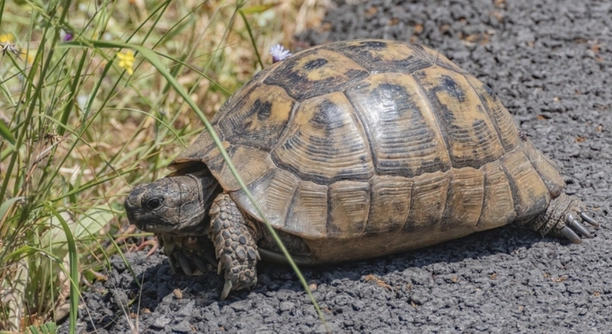
Introducing a new Russian Tortoise to your home can be an exciting experience. However, it is important to properly quarantine your new pet to ensure its health and safety. Proper steps will help minimize the risk of introducing diseases.
To properly quarantine a new Russian Tortoise, place it in a separate enclosure for at least 30 days, providing appropriate temperature, humidity, and lighting. Monitor its health, behavior, and eating habits. Avoid contact with other reptiles during this period.
Following these guidelines will ensure a smoother transition for your new tortoise and help protect your existing pets.
The Importance of Quarantine
Quarantining a new Russian Tortoise is a vital step to ensuring the health of both the new pet and any other reptiles in your home. This process reduces the risk of spreading diseases and parasites. It also gives you time to observe your tortoise’s behavior and health without interference from other pets. Keeping your new tortoise separate from other animals is key to preventing potential cross-contamination. Monitoring their eating habits, movement, and overall condition will give you a clear picture of their health status before introducing them to the rest of your pets.
Creating a separate quarantine area is straightforward. A small enclosure, separate from other reptiles, with proper lighting and humidity is all that’s needed. A simple set-up will allow you to focus on the needs of your new pet.
When the quarantine period is over, you can be more confident that your tortoise is healthy and ready for its permanent enclosure. This step is crucial in keeping your other reptiles safe.
Key Health Checks
Proper quarantine gives you the opportunity to perform essential health checks on your new tortoise.
During quarantine, monitor for any signs of illness, such as lethargy, loss of appetite, or abnormal behavior. These could indicate underlying issues. You’ll also want to check for any signs of parasites, like unusual shedding or digestive problems. Keep track of these observations, and consult a vet if needed. Regular checks of your tortoise’s eyes, shell, and skin can help spot any issues early. An unhealthy tortoise can quickly infect others, so vigilance is essential.
Make sure to have a clear, quiet space for monitoring your new pet. The separation will allow both the tortoise and yourself the chance to adapt without stress. Keep the quarantine period consistent to avoid risking your other reptiles’ health.
Enclosure Setup
The enclosure should be large enough to allow your new tortoise to move freely. It needs a safe, comfortable environment with the right temperature and humidity. Set up a basking area with a heat lamp and a cooler, shaded spot. A water dish should be accessible but not deep enough to cause drowning.
For the bedding, use safe materials such as coconut coir or aspen shavings. Avoid any loose substrate that can cause impaction if ingested. Ensure the enclosure has proper ventilation to maintain fresh air. Check the enclosure daily for cleanliness, removing waste and uneaten food. These simple adjustments create a safe space for your new pet.
While monitoring your tortoise’s behavior during quarantine, you should also adjust its environment as needed. If your tortoise shows signs of stress or inactivity, consider modifying its enclosure setup. A balanced habitat encourages healthy behavior, feeding, and proper hydration. Regularly reassess the conditions to provide optimal care.
Feeding
A proper diet is essential for your new tortoise. Offer fresh, leafy greens like dandelion greens, collard greens, and kale. Avoid iceberg lettuce, as it lacks nutritional value. You can also provide occasional vegetables, such as squash or carrots. Be sure to dust the food with calcium powder to support healthy shell growth.
It’s important to maintain a consistent feeding schedule. Monitor the amount of food being eaten and adjust portions accordingly. Your tortoise might not eat as much during quarantine, but you should still offer food daily. If it’s not eating, check for any signs of illness or stress. When introducing new foods, do so gradually to prevent digestive upset.
Keep a fresh supply of water in the enclosure at all times. Russian Tortoises are prone to dehydration, so it’s important to offer water daily. A shallow dish is preferable to allow for easy access. Clean the dish frequently to prevent bacterial growth. If your tortoise isn’t drinking, you can try soaking it in warm water for a few minutes. This can encourage hydration while helping with any digestive issues.
Temperature and Lighting
Maintaining the right temperature is crucial for a Russian Tortoise’s well-being. Ensure the basking area is around 95°F and the cooler side remains at 75°F. Use a heat lamp to provide consistent warmth and simulate natural sunlight.
UVB lighting is also important for your tortoise. It helps in calcium absorption and promotes overall health. A UVB light should be on for about 12 hours a day to mimic a natural day-night cycle. Place the light 6-12 inches above the basking spot to ensure effectiveness. Regularly check both the temperature and light to ensure proper conditions.
Health Monitoring
Throughout the quarantine period, keep a close eye on your tortoise’s health. Watch for any signs of discomfort, such as lack of movement or changes in appetite. If you notice any of these, it’s best to consult a vet.
Daily observation is key during this period. It’s important to be proactive in noticing subtle changes in your tortoise’s behavior or physical condition. Any changes could indicate stress, illness, or potential parasites. Pay special attention to the eyes, shell, and skin for signs of infection. If any issues arise, seek professional care immediately.
Socialization
During quarantine, limit social interactions with your new tortoise. This time should focus on acclimating to its new environment and ensuring its health. Allow your tortoise to adjust to its new space without the added stress of handling or interaction.
Once the quarantine is over, you can start slowly introducing your tortoise to other reptiles if you have any. Make sure to monitor their interactions closely to ensure compatibility. Never rush the process, as it can take time for your tortoise to feel comfortable with new companions.
FAQ
How long should I quarantine my new Russian Tortoise?
It’s recommended to quarantine your new Russian Tortoise for at least 30 days. This gives you time to monitor its health and ensure it’s free from any diseases or parasites. During this time, avoid any contact with other pets to reduce the risk of contamination. Keep the quarantine period consistent to give you the best chance of detecting any issues early.
What signs should I look for during quarantine to ensure my tortoise is healthy?
Watch for signs such as lack of appetite, lethargy, abnormal shedding, or unusual behavior. If your tortoise seems sluggish, not eating, or exhibiting any physical changes, it could be a sign of illness. Keep track of these symptoms and consult a vet if necessary. Daily observation is important to detect subtle changes in behavior.
Can I handle my new Russian Tortoise during quarantine?
It’s best to limit handling during the quarantine period. This helps reduce stress for your tortoise and allows it to adjust to its new environment. Handling should be minimized until the quarantine is over and your tortoise is fully acclimated. During this time, focus on ensuring its health and comfort.
Should I provide a heat lamp for my new tortoise during quarantine?
Yes, a heat lamp is essential to maintain the proper temperature for your Russian Tortoise. Place the lamp in the basking area to keep the temperature around 95°F. This will ensure your tortoise can regulate its body temperature and stay healthy. Additionally, make sure to have a cooler area in the enclosure where the temperature is around 75°F.
Is it safe to place my new tortoise with other reptiles after quarantine?
Once the quarantine period is over, you can begin to slowly introduce your new Russian Tortoise to other reptiles. However, you should do this carefully and monitor their interactions closely. It may take time for your tortoise to feel comfortable in the presence of other animals. Always observe for signs of stress or aggression.
What type of food should I provide during the quarantine period?
Provide fresh leafy greens like dandelion greens, collard greens, and kale, along with vegetables like squash or carrots. Ensure the food is dusted with calcium powder to support proper shell development. Avoid iceberg lettuce, as it lacks nutritional value. Offer fresh food daily and remove any uneaten portions to maintain a clean environment.
How do I know if my tortoise is dehydrated?
Signs of dehydration in a tortoise include sunken eyes, dry skin, and a lack of appetite. If your tortoise shows these signs, provide a shallow water dish for drinking and soak your tortoise in lukewarm water for 10-15 minutes. Regular access to clean, fresh water will help prevent dehydration.
Can I use a substrate like sand or gravel in the enclosure?
It’s best to avoid using sand or gravel as substrate, as these can cause impaction if ingested. Instead, opt for safer materials like coconut coir or aspen shavings. These provide a comfortable, safe environment for your tortoise and are less likely to pose a risk if eaten.
What should I do if my tortoise isn’t eating during quarantine?
If your tortoise isn’t eating, check for signs of stress, illness, or improper environmental conditions. Ensure the temperature and humidity levels are correct. If the issue persists, consider consulting a vet. Some tortoises may also take time to adjust to a new environment, so be patient.
How can I monitor my tortoise’s health during quarantine?
Monitor your tortoise’s eating habits, behavior, and physical condition daily. Keep an eye on its eyes, shell, and skin for any changes. Any signs of lethargy, abnormal shedding, or difficulty moving could indicate health problems. Track these symptoms and consult a vet if you notice any concerning changes.
How often should I clean the enclosure during quarantine?
You should clean the enclosure daily to maintain a clean and healthy environment for your tortoise. Remove any uneaten food, waste, and soiled bedding. Thoroughly clean the water dish and replace it with fresh water daily. This helps prevent bacterial growth and ensures your tortoise has access to a hygienic living space.
Can I use a UVB light for my tortoise during quarantine?
Yes, providing UVB light is essential for your Russian Tortoise, even during quarantine. UVB light helps with calcium absorption and supports overall health. Make sure the UVB light is on for about 12 hours a day and placed 6-12 inches above the basking area to be effective.
What should the temperature be for my tortoise during quarantine?
The basking area should be around 95°F, and the cooler side should remain at approximately 75°F. These temperatures allow your tortoise to thermoregulate and stay healthy. Check the temperature daily to ensure it remains consistent. Fluctuating temperatures can cause stress and health issues.
Final Thoughts
Quarantining a new Russian Tortoise is an important step in ensuring its health and well-being. The quarantine period gives you the chance to monitor your tortoise closely, providing an opportunity to spot any potential issues before they spread. During this time, it’s essential to maintain proper environmental conditions, including temperature, lighting, and humidity. A stable and comfortable habitat will help your tortoise adjust to its new surroundings, making the transition smoother.
Handling should be kept to a minimum during quarantine. This reduces stress on your tortoise, allowing it to focus on adapting to its new home. Avoid contact with other pets to prevent the possible spread of diseases or parasites. Providing a safe, quiet, and controlled space will allow your tortoise to rest, eat, and drink in peace. Pay close attention to any signs of illness or discomfort, and don’t hesitate to seek professional help if needed.
Once the quarantine period is over, you can confidently introduce your Russian Tortoise to the rest of your pets. However, be sure to monitor interactions closely and ensure they are compatible with one another. Proper care, a stable environment, and ongoing observation will help your tortoise thrive in its new home. The quarantine process, though temporary, plays a significant role in setting the foundation for a long and healthy life for your tortoise.

Hello,
If you enjoy the content that we create, please consider saying a "Thank You!" by leaving a tip.
Every little bit helps us continue crafting quality advice that supports the health, happiness, and well-being of pets around the world, for pets of all shapes, sizes, and species.
We really appreciate the kindness and support that you show us!