
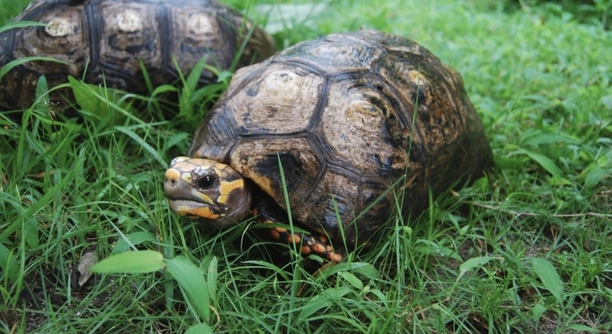
Handling a red-footed tortoise requires a gentle touch and understanding of their unique needs. It’s essential to know the right way to pick them up to avoid stress or injury. Handling them properly ensures their well-being.
To properly pick up a red-footed tortoise, approach it slowly and gently. Place one hand under its shell, supporting the body, while using the other hand to stabilize the legs. Avoid grabbing its limbs or shell edges.
Knowing the correct technique will prevent harm to your tortoise and create a more positive interaction. Keep reading for helpful tips.
Understanding the Red-Footed Tortoise
Red-footed tortoises are known for their calm nature and curious personalities. However, like all reptiles, they require proper handling to avoid stress. When picking them up, it’s important to approach them calmly and avoid sudden movements. Their shells are sensitive, and improper handling can cause them harm. Make sure your hands are clean and dry before touching them, as oils or dirt can irritate their skin. Additionally, be mindful of the temperature of your hands, as extreme heat or cold can affect them. Always keep them supported, allowing them to feel secure and stable.
Some tortoises may feel more comfortable on the ground and may not appreciate being lifted often. If you must pick them up, it’s best to limit the duration. Handling them too much can cause anxiety and discomfort. Remember that they are slow-moving creatures, and quick movements might frighten them. A slow, deliberate approach helps keep them calm. Once picked up, hold them gently and avoid squeezing.
What Not to Do When Handling a Tortoise
There are several things to avoid when handling a red-footed tortoise. Never grab or pinch their legs or tail, as it can lead to injury. Avoid lifting them by their shell edges, which can cause cracking.
When handling a red-footed tortoise, always be gentle. Lifting them with both hands provides support and security. Don’t allow them to fall, as this can cause serious harm. Keep them steady and calm. Never allow children to pick them up without proper guidance. Tortoises can be fragile, and mishandling may lead to stress, injury, or even death.
Proper Support for a Red-Footed Tortoise
When lifting a red-footed tortoise, always support their body evenly. Place one hand under the shell, just behind the front legs, and the other hand under the rear portion. This will provide stability and reduce strain on their body.
Red-footed tortoises have strong, sturdy shells, but they still need support to feel secure. Avoid lifting them by their legs or tail, as this can cause stress or injury. Their shells are sensitive, and improper handling may damage them. A firm but gentle grip ensures they feel stable. When lifting, hold them close to your body to avoid any jerky movements. Always remember to support the entire body, from front to back, ensuring they are well-balanced.
Always avoid sudden or quick movements when handling them. Red-footed tortoises tend to be more relaxed when lifted calmly, so use slow, controlled actions to reduce their anxiety. Lifting them in this manner helps maintain their comfort, ensuring the experience is less stressful for both you and the tortoise.
What to Avoid While Lifting Your Tortoise
Never lift a red-footed tortoise by its legs or tail. Doing so puts unnecessary pressure on their delicate body parts, potentially causing injury. Their limbs and tail are not designed to bear weight, making it critical to lift them properly.
Grabbing a tortoise by the edges of its shell is another mistake to avoid. The shell is a sensitive part of their body, and grabbing it improperly can cause cracks or other damage. Instead, always lift them by the underside of the shell where you can fully support their weight. Be mindful of their comfort level while handling them. If a tortoise resists or seems stressed, it’s best to gently lower them back to the ground and give them space.
If the tortoise feels uneasy or is squirming, it’s a sign that it wants to be put down. This is a natural reaction, as they often feel more comfortable when left to move on their own. Let them rest when they show signs of discomfort.
Handling Your Tortoise with Confidence
When handling a red-footed tortoise, make sure you are calm and confident. Tortoises can pick up on your energy, so keeping a steady hand helps them feel secure.
Before picking them up, make sure you have a firm and stable footing. Hold them gently but securely, giving them the sense of stability. Avoid sudden movements that might startle them, as it can make them feel unsafe. If they feel unsteady in your hands, it may cause them to squirm, which increases the risk of injury.
Setting Your Tortoise Down Gently
When it’s time to set your tortoise down, make sure the surface is smooth and even. Gently lower them to the ground, ensuring they land softly. Avoid letting them drop or fall.
Placing them on soft surfaces like grass can also make the experience more comfortable. Be mindful of rough or uneven terrain, as it can cause discomfort or injury. Once on the ground, allow them to move at their own pace and adjust to their surroundings. Always keep their well-being in mind.
What Not to Do When Lifting a Tortoise
Do not force your tortoise to be picked up if they seem unwilling. It’s important to respect their boundaries and allow them to feel comfortable.
FAQ
How do I know if my red-footed tortoise is stressed when being picked up?
Stress signs in a red-footed tortoise include rapid movement, excessive squirming, or attempting to withdraw into its shell. If it’s not moving or trying to escape your grip, it’s a sign that it’s comfortable. Stress can also cause them to excrete waste. If you notice these behaviors, it’s best to gently set them down and give them space. Ensuring a calm environment helps keep your tortoise relaxed during handling.
Can I pick up my red-footed tortoise every day?
While it’s okay to handle your red-footed tortoise occasionally, daily picking up is not recommended. They are ground-dwelling animals and prefer staying on the surface to explore. Handling them too often can cause unnecessary stress and disrupt their natural behavior. Limit interactions to times when necessary or during bonding moments, ensuring that they are comfortable and calm.
Is it okay to pick up a red-footed tortoise by its shell?
Never pick up a red-footed tortoise by the edges of its shell, as this can cause injury. The shell is part of their body, and improper handling can lead to cracks or discomfort. Always support the tortoise’s body evenly by holding them under the shell, allowing you to lift them gently without causing harm.
What should I do if my red-footed tortoise falls while I’m handling it?
If your tortoise falls while you’re handling it, quickly check for any visible injuries. Be calm and assess the situation before picking them up again. Gently pick them up, offering support under their body. Place them on a soft surface like grass, and monitor for any signs of distress, such as lethargy or difficulty moving.
Can I hold my red-footed tortoise in a carrier?
It’s perfectly fine to place your red-footed tortoise in a carrier for transportation, as long as it’s big enough for them to move around comfortably. Ensure the carrier has adequate ventilation and a soft surface to prevent injury during travel. Make sure the lid is secure to avoid any escapes.
How can I tell if my tortoise is comfortable while being held?
A comfortable red-footed tortoise will usually remain still or gently move its head and legs. If your tortoise is calm, it will feel relaxed in your hands without struggling. Watch for signs of distress, like excessive squirming or vocalization, which indicates discomfort. If your tortoise seems uneasy, it’s best to return it to a safe, stable surface.
What should I do if my red-footed tortoise bites me while being handled?
If your tortoise bites you, remain calm. Red-footed tortoises may bite when they feel threatened or are handled too roughly. Gently remove your hand and avoid reacting with sudden movements. Clean the bite with water and keep an eye on it for any signs of infection. It’s important to handle them more gently in the future to avoid further bites.
Can I let my tortoise roam freely in the house?
While it’s safe to let your red-footed tortoise roam in a contained area, it’s not advisable to let them roam freely around the house. This can be dangerous due to potential hazards like electrical cords, sharp objects, or areas they might get stuck in. Create a safe, tortoise-friendly space for them to explore, such as a pen or enclosure.
How long can I hold my red-footed tortoise without stressing it out?
Try to limit the time you hold your red-footed tortoise to about 10 to 15 minutes at a time. Keeping interactions brief ensures that your tortoise isn’t overstressed or uncomfortable. If your tortoise shows signs of discomfort, such as squirming or hiding in its shell, immediately put it down to allow it to rest and recover.
Is it okay to let my red-footed tortoise interact with other animals?
Be cautious when allowing your red-footed tortoise to interact with other pets, especially if they’re much larger or more aggressive. Tortoises are generally slow and may be vulnerable to being bullied or harmed. Always supervise any interactions between your tortoise and other pets to ensure its safety.
Can I pick up a baby red-footed tortoise the same way?
Yes, the technique for picking up a baby red-footed tortoise is similar to that of an adult. However, because they are smaller and more delicate, you should be extra gentle and avoid any rough handling. Support them evenly by placing one hand under the shell and holding them close to your body to prevent them from squirming or falling.
How can I keep my red-footed tortoise calm when handling it?
The best way to keep your red-footed tortoise calm is to be slow and deliberate in your movements. Avoid sudden gestures or loud noises, as these can startle them. Speak softly and allow your tortoise to adjust to your touch before picking them up. If they are hesitant, give them time to feel comfortable with your presence before lifting them.
Final Thoughts
Handling a red-footed tortoise requires patience, gentleness, and understanding of their needs. These animals, though resilient, are not built for frequent handling. They are slow-moving and prefer being left to explore their environment on their own terms. When you do need to pick them up, always be mindful of their comfort. Handling them too often or roughly can lead to stress, which may affect their overall well-being. It’s important to respect their space and only lift them when necessary, ensuring they feel secure in your hands.
In addition to handling, providing a stable and safe environment for your tortoise is crucial. They thrive in an enclosure that mimics their natural habitat, with access to proper lighting, humidity, and temperature. Red-footed tortoises need space to roam and explore, so avoid keeping them confined to small areas. Ensuring they have a varied diet and plenty of fresh water is also essential for their health. Pay attention to any changes in behavior, as it could be a sign of discomfort, illness, or stress. Regular check-ups with a vet are also recommended to maintain their health.
Ultimately, keeping your red-footed tortoise happy involves creating a peaceful and balanced environment. Handling should always be done with care and only when absolutely necessary. Remember that your tortoise may not seek out human interaction, and that’s okay. With the right care and respect for their natural instincts, your tortoise can live a long, healthy life.

Hello,
If you enjoy the content that we create, please consider saying a "Thank You!" by leaving a tip.
Every little bit helps us continue crafting quality advice that supports the health, happiness, and well-being of pets around the world, for pets of all shapes, sizes, and species.
We really appreciate the kindness and support that you show us!