
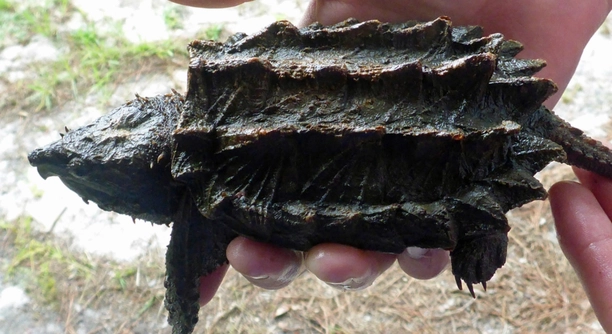
Handling an alligator snapping turtle requires care and attention. These unique creatures, known for their size and powerful beaks, can be intimidating if not properly managed. Learning how to handle them safely is crucial.
The proper handling of an alligator snapping turtle involves following seven important steps. Start by ensuring safety for both you and the turtle. Use gloves, support the turtle’s body, and keep its head away from your hands to avoid injury.
By learning these seven steps, you will ensure a safe experience for both you and the turtle.
Step 1: Gather the Right Equipment
Before you attempt to handle an alligator snapping turtle, make sure you have the right equipment. You’ll need a sturdy pair of gloves to protect your hands from the turtle’s strong jaws. A towel can also come in handy to wrap around the turtle’s body, ensuring you have a secure grip. Additionally, having a bucket or container to move the turtle if needed will make the process smoother. Proper preparation is key to safely handling a creature of this size and strength.
Having the proper tools will help minimize risk. Ensure the gloves fit securely, and the container is large enough to hold the turtle comfortably.
With your equipment ready, the next step is ensuring the environment is calm and controlled. A quiet space free from distractions helps reduce stress for both you and the turtle, making the handling process smoother.
Step 2: Approach the Turtle Slowly
Alligator snapping turtles can be sensitive to sudden movements. When approaching, make sure to move slowly and cautiously to avoid startling the turtle. By staying calm and keeping your movements controlled, you help prevent unnecessary stress or aggression. The turtle’s natural response to being threatened is to use its powerful bite, so it’s important to approach with respect. Avoid loud noises and erratic motions while positioning yourself for safe handling.
Gently reach down to lift the turtle, supporting its body evenly. Be aware that the turtle’s head can move quickly, so always keep it at a safe distance.
It’s important to remember that snapping turtles can be more reactive when in unfamiliar or stressful environments. Maintaining patience will go a long way in ensuring a successful interaction.
Step 3: Use a Secure Grip
When handling an alligator snapping turtle, you must support its body properly. Use both hands to secure the turtle’s sides, ensuring its weight is evenly distributed. Keep one hand on the front of the shell and the other on the back for balance. Avoid placing your hands too close to the head. The turtle’s neck is flexible, and it may try to snap if it feels threatened. A firm yet gentle grip will help avoid injury.
It’s important not to apply excessive force when lifting the turtle. Their shells are strong, but handling with care is essential to avoid causing unnecessary stress.
A secure grip ensures the turtle’s safety and yours. If you feel uncomfortable, don’t hesitate to take a step back. It’s better to proceed slowly and with caution than risk making a mistake that could harm the turtle or yourself.
Step 4: Keep the Turtle’s Head Away
The most dangerous part of an alligator snapping turtle is its head. Keep it away from your hands and body to avoid being bitten. Snapping turtles have incredibly powerful jaws that can cause serious injury. Ensure that its head is facing downward or away from you as you handle the turtle.
This will require some careful positioning. As you lift the turtle, keep its head directed away from your face and body. If the turtle feels threatened, it may try to turn quickly and strike, so it’s crucial to stay aware of its movements.
When moving the turtle, maintain a steady hold to keep it from becoming agitated. Keeping its head away from your hands and body ensures a safer experience for both you and the turtle. If the turtle shows signs of stress, it’s best to set it down and try again when it’s calmer.
Step 5: Keep the Turtle’s Body Supported
When lifting the alligator snapping turtle, always ensure that its body is fully supported. The turtle’s shell is heavy, and it needs stability during handling. Hold it gently but firmly, making sure not to strain its limbs. Proper support will keep the turtle calm and minimize stress.
It’s important not to let the turtle dangle or hang from its shell. Always ensure it feels supported and stable in your hands to avoid causing harm or discomfort.
Step 6: Be Aware of the Turtle’s Behavior
Alligator snapping turtles can become agitated if not handled carefully. Pay attention to their body language, including rapid head movements, hissing, or trying to retreat into their shell. These are signs that the turtle feels threatened. Recognize these signals and give the turtle some space if needed.
If the turtle seems too stressed, stop and try again later. Never force the turtle into a position that makes it feel uncomfortable. Patience is key when dealing with these creatures. Allow them time to adjust to your handling.
Step 7: Return the Turtle to Its Habitat
Once you’ve completed the necessary handling, it’s time to release the alligator snapping turtle back into its environment. Carefully place the turtle down on the ground or in water, making sure it has enough space to move freely. Do not release it in a location that could be harmful.
FAQ
How do I know if an alligator snapping turtle is healthy?
A healthy alligator snapping turtle will have clear, bright eyes and smooth, uncracked shells. Its body should be firm and well-balanced, with no signs of excessive weight loss or swelling. The turtle should move actively when in water. If it appears sluggish, has cloudy eyes, or shows any signs of injury, it may need veterinary attention.
What should I feed an alligator snapping turtle?
Alligator snapping turtles are carnivores. They typically eat a diet of fish, small aquatic animals, and insects. They may also consume the occasional aquatic plant. Offer food in the water to mimic their natural hunting behavior. Be sure to provide a variety of proteins to meet their nutritional needs.
Can I keep an alligator snapping turtle as a pet?
Yes, you can keep an alligator snapping turtle as a pet, but they require specific care. They need a large, secure tank with both water and land areas. They also require a varied diet, a basking spot with adequate lighting, and proper water filtration. Keeping them as pets requires commitment and responsibility.
How long do alligator snapping turtles live?
Alligator snapping turtles have a long lifespan, typically living for 30 to 50 years in captivity, with some reaching over 70 years. Their longevity is largely dependent on the care they receive, including proper nutrition, habitat, and regular veterinary check-ups.
Are alligator snapping turtles dangerous?
While alligator snapping turtles are not naturally aggressive, they can be dangerous due to their strong, sharp beaks. They bite if they feel threatened, and their powerful jaws can cause significant injury. It’s essential to handle them with caution and respect to avoid being bitten.
How big do alligator snapping turtles get?
Alligator snapping turtles can grow quite large, with males reaching sizes of 200 pounds or more, though females are generally smaller. Their shells can grow up to 26 inches long. The size and weight make them one of the largest freshwater turtles in North America.
What is the best way to handle an alligator snapping turtle?
To handle an alligator snapping turtle safely, approach slowly and support its body. Always use gloves to protect your hands and keep the turtle’s head away from your body. Gently lift the turtle from its sides, never from the head, and always keep its head pointed away from you.
Can an alligator snapping turtle live in a regular aquarium?
An alligator snapping turtle requires a large, specialized aquarium or tank. A typical home aquarium is not suitable due to their size and specific needs. You will need to provide a tank with proper water filtration, enough space to swim, and a dry basking area. Additionally, regular water changes are necessary to maintain water quality.
Do alligator snapping turtles need a basking area?
Yes, alligator snapping turtles need a basking area to regulate their body temperature. Provide a dry, warm space in their habitat with UVB lighting to help them absorb essential vitamin D and maintain a healthy shell. This is a crucial part of their care.
What temperature should I keep an alligator snapping turtle’s tank?
The water temperature for an alligator snapping turtle should be maintained between 72°F and 78°F. The basking area should be kept at around 85°F to 90°F to help them regulate their body temperature. Use a reliable thermometer to monitor the tank’s environment regularly.
Do alligator snapping turtles bite?
Yes, alligator snapping turtles can bite. Their bite is incredibly strong, and they will strike if they feel threatened. The best way to avoid bites is to handle them carefully, making sure to keep their head away from your body and using proper protective measures, such as gloves.
Can I take my alligator snapping turtle outside?
You can take your alligator snapping turtle outside for short periods, but only in a secure, controlled environment. Ensure that the area is safe, free of predators, and contains water for the turtle to soak in. Never leave a turtle unattended outside, as they can easily escape or be injured.
How often should I feed an alligator snapping turtle?
You should feed an alligator snapping turtle several times a week, depending on its age and size. Juveniles typically need to be fed more often, while adults can be fed every other day. Adjust the frequency based on the turtle’s appetite and health.
What should I do if my alligator snapping turtle is not eating?
If your alligator snapping turtle is not eating, it may be stressed, ill, or experiencing water temperature issues. Check the water quality, temperature, and ensure the turtle has a proper diet. If the lack of appetite continues for more than a few days, consult a veterinarian.
Do alligator snapping turtles hibernate?
Yes, alligator snapping turtles enter a form of hibernation called brumation during the colder months. During this time, they will eat less and become less active. Ensure they have a proper environment during winter, with water temperatures kept above freezing.
Can I breed alligator snapping turtles in captivity?
Breeding alligator snapping turtles in captivity is possible but requires proper conditions. You need both a male and female turtle, along with a spacious tank and a suitable nesting area. The female will lay eggs, which should be incubated in a warm, controlled environment until they hatch.
What type of water should I use for an alligator snapping turtle?
You should use dechlorinated water in the tank of an alligator snapping turtle. Chlorine and other chemicals in tap water can harm the turtle’s health. You can use water conditioners to remove chlorine or purchase bottled water if needed.
Final Thoughts
Handling an alligator snapping turtle requires careful attention and respect for its natural behavior. These turtles are strong and can be unpredictable, so it’s essential to approach them cautiously. Whether you are caring for one as a pet or simply interacting with one in the wild, understanding their needs is key. Their size, strength, and unique physical traits make them fascinating creatures, but they also require specific care to thrive. Handling them gently, providing a proper habitat, and offering a balanced diet are all important parts of ensuring they remain healthy and happy.
Alligator snapping turtles are not pets for everyone. They have specific requirements, including a large space for swimming, clean water, and a consistent diet. They are long-lived creatures and can grow to large sizes, which means they require a lot of attention throughout their lives. Additionally, due to their strength and ability to bite, they should only be handled by experienced individuals who understand how to safely manage their size and temperament. If you are considering keeping one, make sure you are prepared for the responsibility that comes with their care.
In conclusion, alligator snapping turtles can make unique, interesting pets, but they come with specific challenges. They are not the easiest animals to care for, and they require consistent attention. If you choose to interact with one, either in captivity or in the wild, always handle them with care and respect. Ensuring they have a proper environment, a nutritious diet, and plenty of space to roam will help keep them healthy for years to come. By being informed and prepared, you can enjoy the experience of being around these remarkable creatures while providing the best care possible.

Hello,
If you enjoy the content that we create, please consider saying a "Thank You!" by leaving a tip.
Every little bit helps us continue crafting quality advice that supports the health, happiness, and well-being of pets around the world, for pets of all shapes, sizes, and species.
We really appreciate the kindness and support that you show us!