
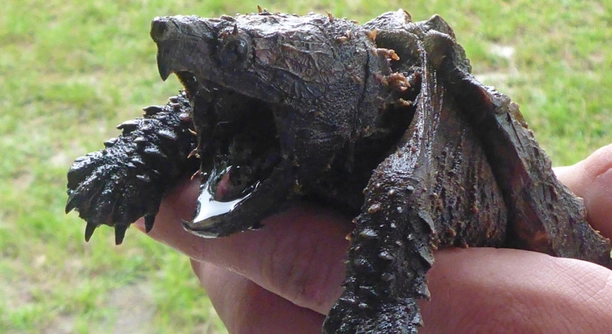
Cycling a tank for an alligator snapping turtle is essential for creating a stable and healthy environment. Proper cycling ensures the water quality is safe and the ecosystem is balanced for the turtle’s needs. It’s an important step.
Cycling a tank involves establishing beneficial bacteria that break down harmful ammonia and nitrites. This process, known as the nitrogen cycle, requires several weeks. It is crucial to monitor water parameters to ensure the system is properly established before introducing the turtle.
This process is crucial for maintaining a healthy habitat and ensuring your turtle’s long-term well-being. Keep reading to learn more about the steps involved in properly cycling a tank.
Understanding the Nitrogen Cycle
The nitrogen cycle is at the heart of cycling a tank. When setting up a tank for your alligator snapping turtle, you need to establish beneficial bacteria that will break down toxic ammonia and nitrites into less harmful nitrates. Ammonia, which comes from waste and leftover food, is deadly for your turtle. If not converted into nitrates, it can lead to poor water quality and harm your turtle. The cycling process usually takes about four to six weeks, and during this time, you must monitor the water regularly to ensure it’s safe.
Once the beneficial bacteria are established, they will help process the waste and keep the water clean. During the cycling period, be sure to avoid adding your turtle to the tank until the water parameters are stable. A filter that’s capable of handling your turtle’s waste is also important for maintaining a balanced system. Regular water changes during this time can help reduce spikes in ammonia or nitrites, allowing the bacteria to establish themselves more easily.
The process can seem like a waiting game, but it’s crucial for your turtle’s health. While you wait, keep testing the water, and make sure the tank’s filter is working properly. The bacteria take time to colonize and establish a stable environment. Once the cycle is complete, the tank will be ready to safely house your turtle.
Setting Up the Tank Properly
A proper tank setup includes choosing the right size and ensuring all elements are ready for your turtle. Make sure the tank is large enough to accommodate your alligator snapping turtle’s size and activity level.
The tank should also have a good filtration system that can handle the waste your turtle will produce. A good filter will speed up the cycling process, making it more efficient. Choosing a reliable filter and performing water tests regularly are key steps in ensuring your turtle’s tank remains safe.
Testing the Water Quality
Testing the water quality during the cycling process is essential to ensure a safe environment for your turtle. Ammonia, nitrites, and nitrates are the main levels to monitor. Invest in a good water test kit to track these parameters.
Ammonia levels will rise initially due to waste from the turtle and uneaten food. As the cycle progresses, beneficial bacteria will convert ammonia into nitrites. Nitrites are also harmful, but they’re eventually converted into nitrates, which are less dangerous at controlled levels. Testing the water frequently, especially during the first few weeks, will give you insight into the cycling progress. Once ammonia and nitrite levels drop to zero, the tank is ready for your turtle.
Don’t skip testing even after the cycle is complete. While nitrates are less toxic, they can still build up over time. Regular water changes and proper filtration will help keep the levels manageable and ensure the tank stays healthy for your turtle.
Choosing the Right Filter
Choosing the right filter for your tank is critical for keeping water clean and clear. The filter should match the size of the tank and be able to handle the waste your turtle produces.
A filter that is too weak won’t properly clean the water, allowing toxins like ammonia and nitrites to build up. A filter that is too strong can create too much current, which could stress your turtle. The ideal filter will provide mechanical, biological, and chemical filtration, addressing waste removal and water clarity. Biological filtration, which supports the growth of beneficial bacteria, is especially important for cycling the tank. Once the filter is in place, make sure to clean it regularly to prevent clogging and ensure it runs efficiently.
Choosing a good filter helps speed up the cycling process and ensures that the tank maintains stable water conditions. Avoid filters that only provide mechanical filtration, as they won’t support the nitrogen cycle as effectively.
Maintaining Water Temperature
Water temperature is important for your alligator snapping turtle’s health. These turtles prefer warmer water, usually between 72°F and 78°F. Too cold or too hot can stress them out and lead to health problems.
A stable temperature promotes the beneficial bacteria needed for cycling. Fluctuations can slow down the cycle and hinder its effectiveness. Invest in a reliable aquarium heater to maintain the proper range, and use a thermometer to keep track. Temperature regulation helps both the cycling process and your turtle’s well-being. Avoid placing the tank in areas with sudden temperature changes.
Adding Decorations and Substrate
Decorations and substrate add comfort to your turtle’s tank, but they also impact the cycling process. Substrate, such as gravel or sand, provides surface area for bacteria to grow.
If you plan to use rocks, driftwood, or plants, make sure they are cleaned properly before adding them to the tank. This will help prevent any contamination and avoid disrupting the cycle. Over time, the decorations will become part of the filtration system, helping the bacteria thrive and process waste.
Water Changes During Cycling
Water changes are crucial during the cycling process. Regular changes help remove excess ammonia and nitrites that could harm your turtle.
However, don’t do massive water changes, as this can disrupt the cycle. Aim for small changes of 10-20% to help maintain water quality without interfering with the nitrogen cycle. Test the water before and after each change to make sure you’re keeping levels in check.
FAQ
How long does it take to cycle a tank for an alligator snapping turtle?
Cycling a tank typically takes about 4 to 6 weeks. During this time, beneficial bacteria grow and begin processing harmful waste into less toxic compounds. It’s important to test the water regularly to make sure ammonia and nitrite levels drop to zero before adding your turtle to the tank.
Can I add my turtle before the tank is fully cycled?
It’s not recommended to add your alligator snapping turtle until the tank is fully cycled. Adding your turtle too early can expose it to harmful levels of ammonia and nitrites, which can lead to stress and illness. Patience is key during the cycling process.
What should I do if ammonia or nitrite levels are too high during cycling?
If ammonia or nitrite levels are too high, perform a small water change of about 10-20%. This will help lower the toxins temporarily while the cycling process continues. Be careful not to disrupt the cycle by doing large water changes, as this can reset the process.
Can I use a fish to cycle the tank for my turtle?
Some people use fish to help cycle the tank, but it’s not the best option for an alligator snapping turtle. Fish waste can provide ammonia, but using live fish in a cycle can cause unnecessary stress to the fish. Instead, consider using ammonia or a bacteria starter to begin the cycle.
Should I clean the tank during the cycling process?
Avoid heavy cleaning during the cycling process, as you don’t want to remove the beneficial bacteria. However, it’s okay to do light cleaning, such as removing any visible waste or debris from the tank. Just avoid scrubbing the substrate or filter too aggressively.
What is the best filter for an alligator snapping turtle tank?
A good filter for an alligator snapping turtle tank should be able to handle a larger bioload, as these turtles produce a lot of waste. Look for a filter rated for a tank size larger than your actual tank to ensure it can manage the waste effectively. Canister filters or hang-on-back filters work well.
How often should I test the water during the cycling process?
Test the water at least 2-3 times a week during the cycling process. This will help you monitor ammonia, nitrite, and nitrate levels. Testing helps you track progress and know when the tank is safe for your turtle. Once the cycle is complete, testing can be reduced to once a week.
Is it safe to use tap water for the tank?
Tap water can be used for your tank, but make sure to treat it with a water conditioner to remove chlorine and chloramine, which can be harmful to both the beneficial bacteria and your turtle. Let the water sit for a day before adding it to the tank to allow any excess chemicals to dissipate.
What temperature should the water be during the cycling process?
Keep the water temperature between 72°F and 78°F for an alligator snapping turtle. The beneficial bacteria thrive in this temperature range, helping speed up the cycling process. Avoid letting the temperature fluctuate too much, as this can slow the cycle and stress your turtle when it enters the tank.
How do I know when the tank is fully cycled?
Your tank is fully cycled when ammonia and nitrite levels have been at zero for several consecutive days, and nitrates are present at low levels (below 40 ppm). At this point, the beneficial bacteria have colonized the tank and are effectively processing waste. You can now safely add your turtle.
Can I use live plants during the cycling process?
Yes, live plants can be added to the tank during cycling. They help absorb excess nutrients like ammonia and nitrates, benefiting the cycling process. Just make sure the plants are free from pests or diseases before adding them to the tank to avoid contamination.
What should I do if my turtle seems stressed after the cycle is complete?
If your turtle shows signs of stress, check the water quality to ensure that the ammonia and nitrite levels are at safe levels. Additionally, check the temperature and filter to ensure they are working correctly. Sometimes, it may take time for your turtle to adjust to its new environment.
Can I speed up the cycling process?
While the cycling process can’t be rushed too much, there are ways to speed it up slightly. Adding a bacteria starter can introduce beneficial bacteria to the tank faster. You can also add a small amount of ammonia to jumpstart the process. Be patient, as rushing can harm your turtle later on.
How do I maintain the tank after it’s cycled?
Once the tank is cycled, continue to monitor the water quality regularly, perform small water changes (10-20%) every 1-2 weeks, and clean the filter as needed. A proper filtration system is key to keeping the tank stable. Make sure to feed your turtle a balanced diet and avoid overfeeding to prevent water contamination.
Final Thoughts
Cycling a tank for an alligator snapping turtle requires patience and careful attention to water quality. It’s a crucial step in creating a healthy environment for your turtle. While the process may take several weeks, ensuring that ammonia and nitrite levels are controlled will protect your turtle from harm. Throughout the cycling process, regular water testing and small adjustments will help you monitor progress and address any issues that arise. It’s important to let the natural filtration system build up slowly, even though it can be tempting to rush.
Once the tank has been properly cycled, you’ll be able to add your alligator snapping turtle with confidence, knowing that the harmful chemicals in the water have been processed and reduced. Be sure to maintain water quality by performing regular water changes and keeping an eye on any fluctuations in temperature, ammonia, or nitrite levels. Your turtle will thrive in an environment where the nitrogen cycle is functioning properly, and you’ll notice the positive impact on its overall health and behavior. Regular maintenance will also ensure that your turtle’s habitat remains stable long-term.
Setting up the tank and cycling it properly will help prevent many common problems associated with alligator snapping turtles. It may take time, but by following the steps and allowing the natural cycling process to happen, you’re creating a safe, healthy space for your turtle to enjoy. Don’t rush it, and remember that patience and careful observation are key to a successful tank setup. When the tank is fully cycled and your turtle is in place, you can enjoy watching it grow and thrive in its new home.

Hello,
If you enjoy the content that we create, please consider saying a "Thank You!" by leaving a tip.
Every little bit helps us continue crafting quality advice that supports the health, happiness, and well-being of pets around the world, for pets of all shapes, sizes, and species.
We really appreciate the kindness and support that you show us!