
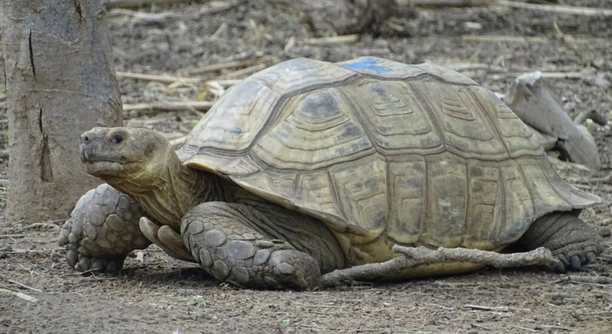
Are your tortoise’s nails getting too long, making it difficult for them to walk comfortably? Overgrown nails can cause pain, mobility issues, and even injuries. Keeping their nails at a proper length is essential for their overall health and well-being.
The best way to prevent tortoise nail overgrowth is by providing a natural environment with rough surfaces that help wear them down. Regularly checking their nails and trimming them when necessary ensures they stay at a healthy length and prevent complications.
Neglecting nail care can lead to serious problems, but there are simple solutions to keep them in check. Understanding proper maintenance will help your tortoise stay happy and healthy for years to come.
Why Tortoise Nails Overgrow
Tortoise nails can grow too long when they don’t have enough natural surfaces to wear them down. In the wild, rough terrain helps keep their nails at a manageable length. In captivity, soft bedding and limited movement can lead to overgrowth. This can cause discomfort, make walking difficult, and even lead to injuries if the nails get caught on objects. Overgrown nails may also change the way a tortoise walks, putting stress on their joints. Keeping their nails at the right length is important for their overall comfort and mobility.
If a tortoise’s nails become too long, they may struggle to grip surfaces properly. This can lead to slipping, poor posture, and even an increased risk of injury. Regular nail care is an important part of their overall health routine.
By ensuring they have the right environment and proper nail care, you can prevent discomfort and keep them active. A few simple adjustments can make a big difference in maintaining healthy nails.
7 Simple Fixes for Tortoise Nail Overgrowth
Providing rough surfaces, such as rocks or textured tiles, allows your tortoise to naturally file down their nails. This reduces the need for frequent trimming.
- Use natural substrates – A habitat with rough terrain, like slate or stone, helps wear down nails naturally. Avoid soft bedding that doesn’t provide resistance.
- Add climbing opportunities – Logs, bricks, and uneven surfaces encourage movement and help file down nails over time.
- Trim nails when needed – If the nails become too long, use a proper tortoise nail trimmer to carefully shorten them.
- Check nail length regularly – Keep an eye on their nails to prevent overgrowth before it becomes a serious issue.
- Encourage outdoor time – Walking on natural ground, such as concrete or soil, helps maintain healthy nail length.
- Monitor diet and health – Proper nutrition supports strong nails, while poor health can lead to abnormal growth.
- Consult a vet if necessary – If you’re unsure about trimming, a vet can safely cut the nails and offer guidance.
Making these small changes will prevent discomfort and keep your tortoise active. Regular maintenance ensures they stay happy, healthy, and free from mobility issues.
How to Trim Your Tortoise’s Nails
Use a pet-safe nail trimmer designed for reptiles. Hold your tortoise gently but firmly to prevent sudden movements. Trim only the tip of the nail, avoiding the quick, which contains blood vessels. If you cut too deep, it may cause pain and bleeding.
If the nails are very long, trim small amounts over time rather than cutting too much at once. Holding the tortoise securely helps prevent accidents. Use a nail file to smooth sharp edges after trimming. If you accidentally cut the quick, apply styptic powder to stop bleeding. A well-lit area makes it easier to see the nails clearly.
If your tortoise resists, try wrapping them in a soft towel to keep them calm. Some tortoises may need breaks during trimming. Be patient and go slowly. If you are unsure, a vet or experienced reptile keeper can assist with the process.
Signs Your Tortoise’s Nails Are Too Long
When nails start curling or bending sideways, it means they are too long. Long nails can make walking difficult, causing the tortoise to struggle with movement. If their nails catch on objects frequently, it is a sign that trimming is needed.
Overgrown nails can also lead to changes in posture. A tortoise with long nails may start lifting their feet unnaturally or shifting their weight while walking. This can cause joint strain over time. Some tortoises may even avoid walking as much because of discomfort. Nails that press into the skin or shell can create sores or infections.
Regularly checking your tortoise’s feet will help you spot early signs of overgrowth. Keeping their nails at a proper length improves their movement, comfort, and overall well-being. A simple trimming routine prevents long-term health issues and ensures your tortoise stays active.
How Often to Trim Tortoise Nails
The frequency of nail trimming depends on the environment and activity level. If a tortoise walks on rough surfaces often, they may need trimming every few months. Those in soft enclosures may require trims more frequently to prevent overgrowth and mobility issues.
Check nail length regularly to determine when trimming is needed. If nails begin curving or affecting movement, it’s time for a trim. Keeping an eye on their feet ensures they stay comfortable and active. Prevention is key to avoiding painful complications from overgrown nails.
What to Do If You Cut the Quick
Accidentally cutting the quick can cause bleeding, but it can be stopped quickly. Apply styptic powder, cornstarch, or flour to the nail to clot the blood. Hold gentle pressure for a few seconds. Avoid using alcohol or hydrogen peroxide, as these can cause pain and slow healing.
Can Tortoise Nails Be Too Short?
Trimming too short can make walking uncomfortable and expose sensitive parts of the nail. Cutting close to the quick increases the risk of pain and bleeding. Always leave a small portion of the nail intact to protect their feet and maintain natural movement.
FAQ
How do I know if my tortoise’s nails need trimming?
You can tell if your tortoise’s nails need trimming by observing their posture and movement. If the nails start curling, bending sideways, or catching on surfaces, it’s time for a trim. You should also check if your tortoise struggles to walk, has difficulty gripping, or shows signs of discomfort. Regularly examining their feet can help you spot early signs of overgrowth before it causes problems. If their nails appear long or extend past the natural curve of the toes, trimming is likely needed.
Can overgrown nails cause pain in my tortoise?
Yes, overgrown nails can cause pain and discomfort. When nails grow too long, they can bend or press into the tortoise’s foot, which may result in sores or infection. Long nails can also alter their walking pattern, leading to joint stress and possible injury. In severe cases, they may get caught on objects, causing even more pain or damage. Keeping their nails trimmed regularly helps prevent this discomfort and ensures they can move freely and comfortably.
What is the best tool to use for trimming tortoise nails?
The best tool for trimming tortoise nails is a reptile-specific nail trimmer or a small, sharp pair of pet nail clippers. Avoid using regular human nail clippers, as they may not be strong enough to handle the tougher nails of a tortoise. If the nails are particularly thick, you may want to use a dremel or rotary tool designed for pets, but it’s important to go slowly to avoid cutting the quick. Always ensure your tool is clean and sharp to avoid injury or infection.
Can I trim my tortoise’s nails myself?
Yes, you can trim your tortoise’s nails yourself as long as you are careful and follow proper techniques. Hold your tortoise gently but firmly to prevent sudden movements. Trim only the tips of the nails, avoiding the quick. If you’re unsure about how to trim, you may want to watch a tutorial or consult with a vet for guidance before trying it on your own. If you’re too uncomfortable doing it yourself, it’s best to take your tortoise to a vet for a professional trim.
What happens if I don’t trim my tortoise’s nails?
If you don’t trim your tortoise’s nails, they may become too long and cause problems. Overgrown nails can make walking difficult, lead to pain, and affect the tortoise’s posture. Nails that are left unchecked can also get caught on objects, causing injury. In the worst case, long nails may result in joint damage or infection if they press into the skin. It’s important to regularly check and trim their nails to keep them healthy and prevent these issues from occurring.
How can I prevent my tortoise’s nails from overgrowing?
To prevent overgrowth, make sure your tortoise has an environment that promotes natural nail wear. Providing a rough surface, such as slate or textured tiles, can help keep their nails in check. Allowing them to roam on natural ground or providing climbing opportunities also helps wear down the nails. A balanced diet, with enough calcium and vitamins, supports healthy nail growth. If your tortoise spends a lot of time indoors, be proactive by checking and trimming their nails regularly.
What should I do if my tortoise’s nails are cracking or splitting?
If your tortoise’s nails are cracking or splitting, it may indicate a lack of proper nutrition or excessive dryness in their environment. Ensure they are getting enough calcium and vitamin D, which are essential for strong nails. Consider adding a humidity source or a soak in warm water to help improve nail health. If the cracks are severe, or if the nail is bleeding or infected, take your tortoise to a vet for proper care and advice. You may need to adjust their habitat or diet to prevent further damage.
Is it safe to trim tortoise nails during hibernation?
It is best to avoid trimming your tortoise’s nails during hibernation. During this time, their metabolism slows down, and they are in a state of rest. Trimming their nails while hibernating may cause stress and interfere with their natural cycle. Ideally, you should trim their nails before they enter hibernation and after they wake up. If you notice any issues with nail overgrowth during hibernation, consult a vet about the best approach to care for them while they are resting.
What should I do if my tortoise’s nails are too long but they won’t let me trim them?
If your tortoise refuses to cooperate during nail trimming, try to keep them calm and restrained. Wrap your tortoise gently in a towel to limit their movement. This will help reduce stress and make the process safer for both you and the tortoise. Take breaks if needed and avoid rushing the process. If your tortoise continues to resist, you may want to enlist the help of a vet or a professional experienced with reptiles to ensure the nails are trimmed properly.
Can I use a file to smooth tortoise nails?
Yes, using a file after trimming the nails can be a helpful step. A nail file will smooth out any sharp edges, preventing them from becoming caught on surfaces. Make sure to use a fine-grit file and file gently, as tortoise nails can be sensitive after trimming. Filing is a simple way to ensure their nails are comfortable and won’t cause any injury to themselves or their surroundings.
Caring for your tortoise’s nails is an important part of maintaining their overall health. Overgrown nails can lead to discomfort, difficulty walking, and even injury. By regularly checking their nails and trimming them when necessary, you help prevent these issues. A natural environment with rough surfaces, such as rocks or textured tiles, can help wear down their nails, reducing the need for frequent trimming. However, even with proper surfaces, you still need to monitor their nail growth and trim them as needed.
Trimming tortoise nails may seem intimidating at first, but with the right tools and a gentle approach, it can be done safely at home. Using a reptile-specific nail trimmer or small pet clippers is essential for avoiding injury. It’s important to trim only the tips of the nails and to avoid cutting too close to the quick, as this can cause bleeding and pain. If you are unsure about trimming your tortoise’s nails yourself, it’s always best to seek guidance from a veterinarian or a more experienced tortoise keeper. They can show you the correct technique and help ensure your tortoise’s nails are properly maintained.
Remember, each tortoise is different, and their nail care needs may vary depending on their environment and activity level. By paying attention to their nails and providing a habitat that promotes natural wear, you can help keep them healthy and comfortable. Regular nail checks and trimming, when necessary, are simple steps you can take to ensure your tortoise leads a happy, active life. Ultimately, small adjustments to their care routine can make a big difference in preventing nail overgrowth and ensuring their overall well-being.

Hello,
If you enjoy the content that we create, please consider saying a "Thank You!" by leaving a tip.
Every little bit helps us continue crafting quality advice that supports the health, happiness, and well-being of pets around the world, for pets of all shapes, sizes, and species.
We really appreciate the kindness and support that you show us!