
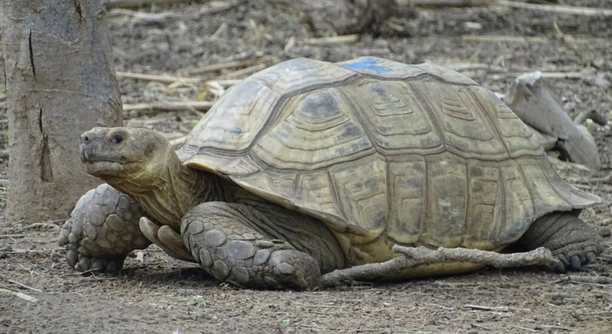
Tortoise beak overgrowth is a common issue for pet owners. It can cause discomfort for your tortoise, affecting their ability to eat and live comfortably. Fortunately, this is preventable with a few simple steps to maintain their health.
To prevent tortoise beak overgrowth, offer proper nutrition, a balanced diet, and regular opportunities to chew on safe materials. Regular beak trimming by a veterinarian or experienced caretaker is also essential to avoid long-term issues.
By following these easy fixes, you can help your tortoise maintain a healthy beak and prevent any potential complications.
Proper Diet for a Healthy Beak
A well-balanced diet is one of the best ways to prevent tortoise beak overgrowth. Tortoises need a variety of vegetables, fruits, and high-fiber plants to keep their beaks trimmed naturally. When they eat the right foods, they naturally wear down their beaks while chewing. A diet too high in soft foods, like fruits or high-protein treats, can lead to underuse of the beak, resulting in overgrowth.
Fiber-rich plants such as dandelion greens, grasses, and hibiscus flowers provide the necessary roughage. Avoid feeding them too many soft vegetables, as this can lead to an imbalance. Overfeeding fruits can also contribute to excessive growth, as their high sugar content can disrupt the natural balance.
Make sure to offer a variety of foods daily to ensure your tortoise receives all the necessary nutrients. Providing fresh, safe foods and avoiding processed or high-calcium diets will help maintain healthy growth and keep their beaks in check.
Regular Exercise and Chewing Opportunities
Exercise and chewing are key for your tortoise’s overall well-being. Regular movement and access to chewable materials are essential.
Be sure to give your tortoise enough space to roam. Natural environments or controlled enclosures with safe, rough surfaces for climbing and moving will help promote natural beak wear.
Provide Rough Surfaces for Natural Wear
Offering rough surfaces for your tortoise to move across helps naturally wear down their beak. Rocks, rough wood, and concrete can all serve this purpose. Ensure these surfaces are safe and free of sharp edges to prevent injury.
Tortoises instinctively wear down their beaks through natural activities like climbing and digging. Placing rough surfaces in their environment encourages them to use their beaks properly. Avoid surfaces that are too smooth or soft, as these won’t help with wear. Be sure that any rough materials are clean and non-toxic to avoid harm.
A proper mix of rough surfaces in their enclosure provides an easy and natural way to manage beak overgrowth. Rotate these materials occasionally to give your tortoise variety and keep them engaged. Over time, this can help prevent the need for regular trimming.
Trim the Beak as Needed
Sometimes, despite your best efforts, your tortoise’s beak may still require trimming. Beak trimming should only be done by an experienced veterinarian to avoid injury. It’s essential to regularly monitor your tortoise’s beak and consult a professional if you notice overgrowth.
If you feel comfortable trimming your tortoise’s beak, make sure to use proper tools. Be cautious and always ensure that you’re trimming just enough to maintain a balanced, healthy beak length. Never trim too much at once, as it can cause stress or damage. Keep in mind that trimming should be done carefully, only when necessary, and should never replace preventive measures like a proper diet and rough surfaces.
Avoid Overfeeding Soft Foods
Overfeeding soft foods, such as fruits or lettuce, can lead to beak overgrowth in tortoises. Soft foods do not provide the necessary resistance for proper beak wear. Stick to fibrous, high-fiber plants and avoid giving your tortoise too much soft produce.
Balance is key. While soft foods can be offered in moderation, too much of them will cause the tortoise to neglect its need to chew on tougher, rougher foods. Without the proper chewing activity, the beak may not naturally wear down. This leads to an imbalance and potential overgrowth issues over time.
Offer Chewable Materials
Tortoises enjoy chewing on a variety of materials, which helps in maintaining a healthy beak length. Provide items like cuttlebone, safe wood pieces, and leaves from safe plants. These materials encourage healthy chewing behaviors and help naturally manage beak growth.
Maintain Proper Hydration
Proper hydration is important for your tortoise’s health, including beak maintenance. Lack of water can lead to softer beaks, making them more prone to growth issues. Ensure your tortoise always has access to fresh, clean water to help them stay hydrated.
FAQ
What causes tortoise beak overgrowth?
Beak overgrowth can occur when a tortoise doesn’t get enough roughage in its diet or opportunities to chew on tough surfaces. Soft, processed foods and lack of proper exercise can prevent the beak from wearing down naturally. Without regular chewing, the beak can continue to grow without being naturally worn down, leading to overgrowth.
How do I know if my tortoise has beak overgrowth?
Signs of beak overgrowth include difficulty eating, especially harder foods like vegetables, or noticing that your tortoise’s beak looks longer than usual. A normal beak should not extend too far past the upper and lower jaws. If you observe any irregularities or if the beak seems excessively long or pointed, it’s a good idea to consult a vet for an evaluation.
Can I trim my tortoise’s beak at home?
It is not recommended to trim your tortoise’s beak at home unless you are experienced and know how to do so safely. Beak trimming requires precision and care to avoid injury. It’s best left to a veterinarian or someone with proper training to handle the trimming. If done incorrectly, trimming can cause pain, infection, or permanent damage to the beak.
What should I feed my tortoise to prevent beak overgrowth?
To prevent beak overgrowth, feed your tortoise a diet rich in fiber. Offer a variety of grasses, hay, and leafy greens, such as dandelion greens, hibiscus leaves, and clover. Avoid overfeeding soft foods like fruits and lettuce, as they don’t provide enough resistance to wear the beak down naturally. Including safe chewables like cuttlebone can also help.
Can a tortoise live with overgrown beak?
While a tortoise can live with an overgrown beak for a period, it can lead to significant problems, such as difficulty eating and a reduction in overall health. Overgrowth can also cause the beak to crack, break, or deform, which may result in pain and even infection. If left untreated, it could interfere with their ability to eat and drink properly, causing malnutrition and dehydration.
How often should I check my tortoise’s beak?
Regular checks are essential for ensuring your tortoise’s beak remains in good condition. It’s a good idea to inspect the beak during your routine health checks. If you notice any unusual growth, cracks, or difficulties in eating, consult a vet. Early detection can help prevent more serious issues from arising.
Are there any specific breeds of tortoises more prone to beak overgrowth?
Certain species of tortoises may be more prone to beak overgrowth, particularly those kept in captivity without enough space to roam or access to natural food sources. For example, tortoises like the Sulcata and Leopard tortoises may develop overgrowth if they are not provided proper diet and environmental conditions. However, all tortoises can be affected if their needs are not met.
What are the best materials for tortoises to chew on?
Providing safe, chewable materials is important for maintaining a tortoise’s beak. Suitable materials include cuttlebone, rough stones, untreated wood, and fibrous plant material. Avoid materials that could be harmful or toxic, like pressure-treated wood or synthetic plastics. It’s best to offer a mix of textures to keep your tortoise engaged.
Can stress contribute to beak overgrowth?
Yes, stress can contribute to poor eating habits, which may affect beak health. When a tortoise is stressed, it may not chew properly or could refuse to eat, leading to the development of overgrowth. Ensuring your tortoise has a calm and suitable environment is crucial to its overall well-being and preventing issues like beak overgrowth.
What is the role of a vet in preventing beak overgrowth?
A veterinarian plays an important role in both preventing and treating beak overgrowth. Regular checkups with a vet ensure that your tortoise is in good health and can help identify early signs of overgrowth. A vet can also offer professional beak trimming when necessary and advise on proper diet and habitat conditions to prevent future issues.
How long does it take for a tortoise’s beak to overgrow?
The time it takes for a tortoise’s beak to overgrow can vary depending on diet, activity level, and environment. If the tortoise isn’t chewing enough or is being fed an improper diet, overgrowth can happen in a few months. However, regular checks and proper care can significantly slow down this process.
Can beak overgrowth affect other aspects of a tortoise’s health?
Yes, beak overgrowth can affect the tortoise’s overall health. A malformed or overly long beak can cause problems with eating, leading to malnutrition and dehydration. It can also cause discomfort, affecting their mood and activity levels. In extreme cases, overgrowth can result in damage to the jaw, infection, and even death if left untreated.
Is beak overgrowth reversible?
In many cases, beak overgrowth is reversible with professional care. If caught early, a vet can trim the beak to a more manageable length. Once trimmed, you will need to focus on providing a proper diet, regular exercise, and the right materials to prevent the problem from recurring. However, if left untreated for too long, overgrowth may cause permanent damage.
What other health problems can tortoises face from improper diet and habitat?
An improper diet and unsuitable habitat can lead to a range of health issues, including shell problems, metabolic bone disease, respiratory infections, and digestive issues. Lack of proper lighting and temperature can also cause stress and weaken the tortoise’s immune system. Regular vet visits and a balanced diet are essential for overall health.
Final Thoughts
Beak overgrowth in tortoises is a common issue that can be avoided with proper care. Tortoises need a balanced diet, including plenty of fiber from grasses, hay, and leafy greens. Soft foods like fruits and lettuce should be given in moderation to prevent them from affecting the natural wear of the beak. It’s essential to provide chewable materials like cuttlebone and rough plant materials to help maintain beak health. With these simple steps, your tortoise can avoid the discomfort and potential health problems caused by overgrowth.
Regular checks are an important part of keeping your tortoise healthy. Beak overgrowth may not always be obvious at first, but catching it early can prevent long-term damage. If you notice your tortoise having trouble eating or if the beak appears too long, it’s important to seek help from a veterinarian. A vet can trim the beak safely and offer advice on how to prevent future issues. In addition, maintaining a proper habitat with enough space to roam and the right environmental conditions plays a big part in their overall health.
Preventing beak overgrowth is about more than just feeding your tortoise the right foods. It’s about creating an environment where they can thrive, physically and mentally. By offering a variety of materials to chew, providing regular hydration, and ensuring your tortoise has the opportunity to move freely, you can help maintain their well-being. By following these guidelines, you can prevent beak overgrowth and ensure your tortoise lives a long, healthy life.

Hello,
If you enjoy the content that we create, please consider saying a "Thank You!" by leaving a tip.
Every little bit helps us continue crafting quality advice that supports the health, happiness, and well-being of pets around the world, for pets of all shapes, sizes, and species.
We really appreciate the kindness and support that you show us!