
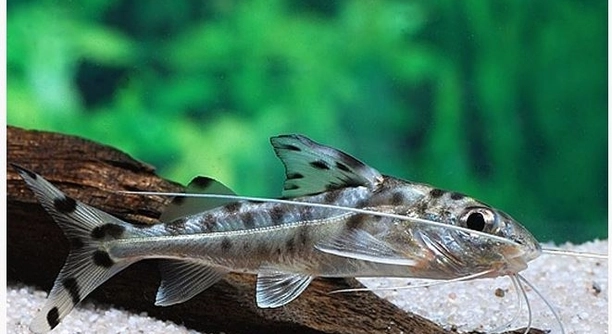
Many fish owners enjoy keeping Pictus Catfish in their aquariums for their unique look and active behavior. However, these fish are known to jump out of tanks, which can be dangerous. Preventing this behavior is important for their safety.
The most effective way to prevent Pictus Catfish from jumping is to use a secure tank lid or cover. This physical barrier stops fish from leaping out and helps maintain stable water conditions, reducing stress and the urge to jump.
Understanding why Pictus Catfish jump and how to create a safe environment can help you keep them healthy and secure in your tank.
Why Do Pictus Catfish Jump?
Pictus Catfish jump mainly because they feel stressed or threatened. In their natural environment, they swim quickly and can leap out of the water to escape predators. In an aquarium, this instinct remains, especially if the fish are startled by sudden movements, loud noises, or poor water quality. Another reason is the lack of enough hiding spots or enrichment in the tank, which can make the fish anxious. Additionally, jumping might happen if the tank water is not well-oxygenated or if the temperature fluctuates too much. Sometimes, the fish simply try to explore their surroundings or react to reflections in the glass. To reduce jumping, it’s important to maintain stable water conditions and provide plenty of plants or decorations where they can feel safe. Keeping the tank environment calm and consistent helps Pictus Catfish stay comfortable and less likely to jump.
Stress, poor water quality, and a lack of hiding places all increase the chance of jumping in Pictus Catfish.
To keep your Pictus Catfish safe, focus on creating a stable, enriched environment with proper water care. Regular maintenance and gentle handling will also help reduce their stress levels and jumping behavior.
How to Secure Your Aquarium to Prevent Jumping
One of the simplest ways to stop your Pictus Catfish from jumping out is by installing a tight-fitting lid or cover on your aquarium. A secure lid prevents accidental escapes and helps keep the water stable by reducing evaporation. It also stops objects or pets from disturbing the fish, which can trigger jumping. When choosing a lid, look for one made of durable material that fits snugly over the tank. Glass or acrylic lids work well and can be customized with cutouts for feeding or equipment. Adding a foam or rubber seal can further prevent gaps that fish might slip through. Make sure the lid allows for proper ventilation, so oxygen can circulate and maintain good water quality. Checking the lid regularly for gaps or damage is important to keep it effective.
A secure lid is key to keeping Pictus Catfish safely inside their tank.
Besides a lid, consider adding decorations or plants to break the tank surface, which makes jumping less tempting and creates a more natural habitat. This combination of physical barriers and environmental enrichment will help your fish stay healthy and in the tank.
Tank Environment Adjustments
Keeping water clean is crucial to prevent jumping. Dirty water stresses Pictus Catfish, making them more likely to leap out of the tank. Regular water changes help keep conditions stable and healthy.
Consistent water temperature and good filtration reduce stress for Pictus Catfish. These fish prefer water between 74°F and 79°F. Sudden temperature changes can trigger jumping, so a heater with a reliable thermostat is helpful. Also, a strong filter keeps the water oxygen-rich and removes harmful waste. Adding live plants can improve water quality and offer hiding spots, which make the fish feel safer. Avoid overcrowding the tank because it increases competition and stress. Providing a calm environment helps Pictus Catfish feel secure and lowers their chances of jumping.
Lighting should mimic their natural habitat—moderate and not too bright. Too much light can cause discomfort and increase activity, including jumping. Dimmer lights and shaded areas with plants help create a balanced setting. Offering places to hide, like caves or decorations, gives them spots to rest and feel safe. A stable, well-maintained tank environment is essential for reducing jumping behavior and promoting their well-being.
Feeding Habits and Their Impact
Feeding routines can affect how often Pictus Catfish jump. Overfeeding or irregular feeding schedules may cause stress or excitement, leading to more jumping.
Pictus Catfish are bottom feeders and enjoy sinking pellets or live foods. Feeding small amounts twice daily helps maintain steady energy levels without overloading the tank with waste. Excess food can pollute water quickly, making fish restless. Uneaten food should be removed promptly. Consistent feeding times reduce anxiety and promote routine. Watching your catfish during feeding can also help you spot any unusual behavior early. Proper feeding habits support their health and help minimize the risk of jumping by keeping them calm and comfortable in their environment.
Handling and Tank Maintenance
Handling Pictus Catfish too often can stress them and increase jumping. Limit direct contact and use gentle methods when needed. Stress weakens their immune system, making them more prone to escape attempts.
Regular tank cleaning helps keep water quality high and fish calm. Remove debris and change water weekly to maintain a healthy environment. A clean tank reduces the triggers that cause jumping.
Using Tank Decorations for Safety
Tank decorations provide hiding spots and reduce open water areas, which helps prevent jumping. Plants, caves, and driftwood give Pictus Catfish places to feel secure and less exposed.
Decorations break the water’s surface, making jumping less likely. They also add enrichment to the tank, keeping your fish mentally stimulated and comfortable. Proper arrangement of decorations helps create a peaceful environment and supports natural behaviors.
Monitoring Water Parameters
Regularly check water parameters like pH, ammonia, nitrites, and nitrates. Stable conditions prevent stress and discourage jumping. Use test kits weekly for best results.
Maintaining the right balance keeps your Pictus Catfish healthy and happy in their tank.
FAQ
Why do Pictus Catfish jump out of the tank?
Pictus Catfish jump mainly because they feel stressed or threatened. Changes in water quality, temperature, or sudden loud noises can make them nervous. They also jump to escape from predators in the wild, and this natural instinct remains in captivity. Lack of hiding places or overcrowding can increase their stress levels, causing them to leap. Poor oxygen levels or reflections in the glass might also trigger jumping. Keeping a calm and stable environment helps reduce this behavior.
How can I stop my Pictus Catfish from jumping?
The best way to stop jumping is by using a secure, tight-fitting lid on the aquarium. This prevents them from escaping and helps maintain water quality. Also, keep the water clean and stable with regular changes and good filtration. Provide plenty of decorations and plants for hiding spots. Avoid sudden changes in temperature or lighting. Feeding on a regular schedule and handling your fish gently will also help keep them calm and less likely to jump.
What kind of lid should I use for my Pictus Catfish tank?
A glass or acrylic lid that fits tightly on the tank works well. It should cover the entire surface without gaps to prevent fish from slipping out. Look for lids with cutouts for feeding or equipment to avoid lifting the whole cover often. Adding a rubber or foam seal around the edges can block small gaps. Make sure the lid allows air to flow so oxygen can enter the tank, which is essential for fish health.
Can tank decorations really prevent jumping?
Yes, decorations help by breaking up the open water surface and giving fish places to hide. Pictus Catfish feel safer when they have plants, caves, or driftwood to rest near. This reduces their stress and makes them less likely to jump. Adding these elements also mimics their natural habitat, which encourages natural behaviors and keeps them comfortable.
How often should I change the water in my Pictus Catfish tank?
Changing 20-30% of the tank water every week is recommended. Regular water changes keep harmful waste levels low and maintain good water quality. This reduces stress on the fish and lowers the chance they will jump. Make sure new water is treated to remove chlorine and matches the tank’s temperature to avoid shocking the fish.
What water parameters are best for Pictus Catfish?
Pictus Catfish prefer water temperatures between 74°F and 79°F. The pH should be between 6.5 and 7.5. Ammonia and nitrites must be kept at zero, and nitrates should stay under 20 ppm. Stable water parameters help keep the fish healthy and reduce jumping caused by stress or discomfort.
Can overfeeding cause my Pictus Catfish to jump?
Overfeeding can cause water pollution, which stresses fish and can increase jumping. Uneaten food breaks down, raising ammonia and nitrate levels. Feeding small amounts twice a day is best. Remove any leftover food to keep the water clean and your fish calm.
Is it normal for Pictus Catfish to jump sometimes?
While occasional jumping can happen, frequent or high jumps usually indicate a problem. Stress, poor water conditions, or an unsafe environment are common reasons. It’s important to check water quality, feeding habits, and tank setup if your fish jump often.
Should I handle my Pictus Catfish often?
Handling should be minimized because it stresses the fish. Use nets gently and only when necessary, such as during tank cleaning or medical treatment. Stress from handling can lead to more jumping and health issues.
What should I do if my Pictus Catfish jumps out of the tank?
If your fish jumps out, act quickly to return it to the water. Keep a wet cloth nearby to keep the fish moist during rescue. Check the tank for any issues that might have caused the jump, such as poor water quality or gaps in the lid. Improve the environment to prevent future escapes.
Preventing Pictus Catfish from jumping out of the aquarium is important for their safety and well-being. These fish have natural instincts that sometimes cause them to leap, especially when they feel stressed or uncomfortable. By understanding the reasons behind this behavior, you can take simple steps to create a safer environment. Using a secure lid on your tank is one of the most effective ways to stop them from jumping out. It acts as a physical barrier that keeps the fish inside while helping to maintain stable water conditions.
Along with a secure lid, maintaining good water quality plays a big role in keeping your Pictus Catfish calm. Regular water changes and proper filtration reduce harmful substances and keep the water oxygen-rich. This lowers stress, which is often the main reason fish try to escape. Adding decorations such as plants, caves, or driftwood provides hiding places that help your fish feel more secure. A well-decorated tank mimics their natural habitat and encourages natural behavior, which can reduce their urge to jump.
Feeding habits also impact your fish’s behavior. Feeding small amounts at regular times keeps them comfortable and reduces anxiety. Overfeeding leads to dirty water and makes fish restless, which can increase jumping. Lastly, try to handle your Pictus Catfish gently and only when necessary. Minimizing stress from handling and sudden changes will help them feel safe. Overall, by focusing on these simple care tips, you can create an environment where your Pictus Catfish thrive without risking dangerous jumps.

Hello,
If you enjoy the content that we create, please consider saying a "Thank You!" by leaving a tip.
Every little bit helps us continue crafting quality advice that supports the health, happiness, and well-being of pets around the world, for pets of all shapes, sizes, and species.
We really appreciate the kindness and support that you show us!