
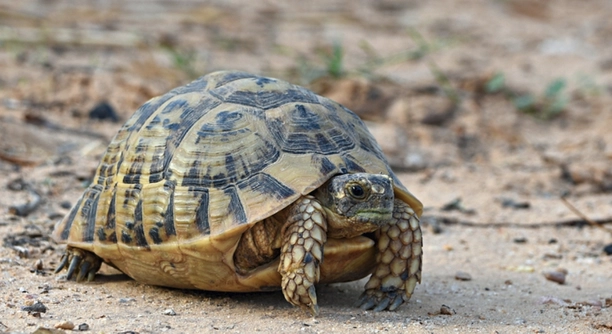
Do you ever find yourself wondering if you’re overfeeding your Russian tortoise? These small, active reptiles have specific dietary needs, and too much food can lead to health problems. Understanding portion control is key to keeping them happy and healthy.
The best way to prevent overfeeding a Russian tortoise is by following a strict feeding schedule and offering appropriate portion sizes. These tortoises thrive on a diet of leafy greens, occasional vegetables, and minimal fruit, ensuring they maintain a balanced and healthy weight.
Overfeeding can cause obesity and digestive issues, impacting your tortoise’s lifespan. Learning the right feeding habits will help you provide the best care while avoiding common mistakes in their diet.
Understanding Proper Portion Sizes
Russian tortoises have small stomachs and slow metabolisms, so they do not need large amounts of food. Overfeeding can lead to obesity, which puts stress on their organs and joints. A proper diet consists of leafy greens like dandelion, collard greens, and mustard greens. Vegetables such as squash and bell peppers can be offered in small amounts. Fruits should only be given occasionally, as their high sugar content is not ideal for tortoises. Stick to a feeding schedule of once a day for juveniles and every other day for adults. This prevents overeating while ensuring they get the necessary nutrients.
A good rule of thumb is to feed your tortoise an amount of food roughly the size of its shell. This prevents excessive intake while providing enough sustenance. Removing uneaten food after a few hours also discourages overeating.
Portion control is essential for maintaining a healthy weight. By understanding their dietary needs and adjusting portions accordingly, you can keep your Russian tortoise active and thriving.
Signs of Overfeeding
An overweight Russian tortoise may have thick, puffy limbs that protrude from its shell. A slow-moving or lethargic tortoise could also be eating too much, leading to excessive fat buildup.
Overfeeding can cause digestive issues, including bloating and irregular bowel movements. A tortoise that eats too frequently may experience loose stools, dehydration, or shell deformities. Additionally, excess food intake can lead to rapid growth, which may negatively affect shell development. A well-balanced diet supports slow, steady growth, preventing these complications.
If you notice any signs of overfeeding, adjust meal sizes and frequency immediately. Providing a varied, portion-controlled diet will help your tortoise maintain a healthy weight and avoid long-term health problems.
How to Create a Balanced Diet
A Russian tortoise’s diet should be high in fiber and low in protein. Leafy greens like dandelion, turnip greens, and endive should make up most of their meals. Small portions of vegetables like carrots or squash add variety, while fruits should be limited to rare treats.
Calcium is essential for strong bones and a healthy shell. Dusting their food with calcium powder a few times a week helps prevent deficiencies. Avoid foods high in phosphorus, as they interfere with calcium absorption. Providing access to natural sunlight or a UVB lamp ensures they properly process calcium and vitamin D3.
Hydration is just as important as food. While Russian tortoises get most of their water from leafy greens, they still need access to fresh water. A shallow dish allows them to drink as needed. Soaking your tortoise in lukewarm water once or twice a week helps with hydration.
Feeding Schedule and Best Practices
Adult Russian tortoises should be fed every other day, while younger ones require daily meals. Overfeeding can lead to weight gain, so stick to a schedule. Offer food in the morning to match their natural feeding habits. Uneaten food should be removed after a few hours to prevent spoilage.
Variety is key to preventing nutritional imbalances. Rotate different greens and vegetables to ensure your tortoise gets all essential nutrients. Avoid feeding high-oxalate foods like spinach too often, as they can block calcium absorption. Moderation is necessary, even with healthy foods. A diverse diet keeps your tortoise active and thriving.
Common Mistakes to Avoid
Offering too many treats can lead to nutritional imbalances. Fruits should only be given occasionally, as their sugar content is too high for a Russian tortoise’s diet. Stick to leafy greens and vegetables that provide essential nutrients without excess sugar or unnecessary additives.
Relying on commercial pellets instead of fresh food can cause health problems. While some pellets are fortified with vitamins, they should never replace fresh greens. A diet based solely on processed food lacks the fiber and hydration needed for proper digestion and overall health.
Importance of Outdoor Grazing
Allowing your Russian tortoise to graze outdoors provides natural enrichment and access to fresh plants. Safe, pesticide-free areas with edible weeds like dandelion and clover encourage natural foraging behaviors. Sun exposure also helps with vitamin D3 production, supporting healthy bone and shell development. Always provide shade and water to prevent overheating.
Monitoring Your Tortoise’s Health
Regularly checking your tortoise’s weight and activity levels helps prevent overfeeding. A healthy tortoise is active and maintains a steady weight. Sudden weight gain or lethargy may indicate dietary issues. Adjust portion sizes and food variety as needed to ensure balanced nutrition and long-term well-being.
FAQ
How much should I feed my Russian tortoise each day?
A Russian tortoise should be fed a portion that is roughly the size of its shell. Juveniles require daily meals, while adults can be fed every other day. Always monitor their weight and adjust the amount of food if they appear to be gaining or losing too much. Overfeeding leads to obesity and health problems, so portion control is key.
Can I feed my Russian tortoise fruit every day?
Fruit should be given as an occasional treat, not a daily part of their diet. While fruits like strawberries or apple slices are safe, they are high in sugar and can cause digestive issues if fed too frequently. Limit fruit intake to once or twice a week.
What vegetables are best for my Russian tortoise?
Leafy greens such as dandelion greens, collard greens, and mustard greens should make up the bulk of your tortoise’s diet. Other vegetables like bell peppers, zucchini, and squash can be offered in moderation. Avoid high-oxalate vegetables, like spinach, as they can interfere with calcium absorption.
Is it okay to feed my tortoise commercial pellets?
While commercial pellets are convenient, they should not replace fresh vegetables and greens. They can be used as a supplement, but they lack the fiber and hydration that fresh foods provide. Make sure to choose a high-quality, low-protein pellet to avoid nutritional imbalances.
How do I ensure my Russian tortoise gets enough calcium?
Calcium is crucial for your tortoise’s health, especially for shell development. You can provide calcium by dusting their food with a calcium supplement a few times a week. Also, make sure your tortoise gets enough UVB light, either from natural sunlight or a UVB lamp, to help process calcium.
Can my Russian tortoise eat weeds?
Yes, your tortoise can eat a variety of safe, pesticide-free weeds. Dandelion greens, clover, and plantain are excellent choices. These weeds are not only nutritious but also mimic the tortoise’s natural diet in the wild. Always make sure the weeds are free from chemicals and pollutants.
Should I soak my Russian tortoise?
Yes, soaking your tortoise in lukewarm water for 10-15 minutes a couple of times a week helps with hydration. While your tortoise may get some moisture from its food, soaking ensures that it stays hydrated, which is vital for digestion and overall health.
How often should I clean my Russian tortoise’s habitat?
The habitat should be cleaned regularly, with waste being removed daily. A deeper cleaning of the entire enclosure, including wiping down surfaces and changing the bedding, should be done weekly. Keeping the habitat clean helps prevent bacterial growth and keeps your tortoise healthy.
Can I feed my Russian tortoise lettuce?
While lettuce is safe, it should be used sparingly. Iceberg lettuce offers little nutritional value and can cause diarrhea if fed in large amounts. Romaine lettuce, on the other hand, is a better option. However, it should still only be given occasionally and not as a staple food.
How can I tell if my Russian tortoise is overweight?
An overweight tortoise may have difficulty moving around or may appear lethargic. Its limbs could look puffy or thick. If the shell has noticeable bulges or irregularities, this could also be a sign of overfeeding. Regularly check your tortoise’s weight and adjust its food portions accordingly.
What’s the best way to handle my Russian tortoise during feeding?
Always handle your tortoise gently and calmly, especially during feeding times. Avoid picking them up by the shell, as this can stress them out. Instead, let your tortoise walk onto your hands or scoop them up carefully under the body. Handle them briefly and only when necessary.
Can I feed my tortoise a mixed salad?
A mixed salad can be a good option as long as it’s made from safe, suitable ingredients. Avoid using store-bought salad mixes that may contain unwanted additives like dressing or harmful vegetables. Make sure the mix includes a variety of leafy greens and safe vegetables for optimal nutrition.
How do I know if my tortoise is eating too much?
If your tortoise consistently leaves food behind, it might be eating too much. Overfed tortoises may also gain weight rapidly, become less active, or develop a bloated appearance. Adjust portion sizes and feeding schedules to maintain a healthy balance and avoid overeating.
Final Thoughts
Proper feeding is one of the most important aspects of keeping a Russian tortoise healthy. These small reptiles need a diet that is rich in fiber and low in protein. Leafy greens like dandelion, collard greens, and turnip greens should make up the majority of their meals, while vegetables like squash and bell peppers can be offered in moderation. Fruits should be rare, as too much sugar can lead to digestive issues and obesity. By providing a well-balanced diet, you can ensure that your tortoise lives a long and healthy life.
Overfeeding is a common mistake many tortoise owners make. While it may be tempting to offer large portions or extra treats, it’s crucial to stick to proper portion sizes. For adults, feeding them every other day is typically enough, while juveniles need daily meals. One key to preventing overfeeding is to ensure you remove uneaten food after a few hours, so your tortoise does not continue eating past what it needs. By following a consistent feeding schedule and keeping track of your tortoise’s weight, you can prevent obesity and ensure they stay active and healthy.
Remember, the environment is just as important as the diet. Along with food, your tortoise needs access to fresh water and regular soaking to stay hydrated. A balanced, well-rounded care routine that includes proper nutrition, hydration, and space to roam is essential for a Russian tortoise’s well-being. With careful attention to their dietary needs and environment, your tortoise will thrive for many years. Keeping them healthy doesn’t require extreme effort, just the right knowledge and consistency.

Hello,
If you enjoy the content that we create, please consider saying a "Thank You!" by leaving a tip.
Every little bit helps us continue crafting quality advice that supports the health, happiness, and well-being of pets around the world, for pets of all shapes, sizes, and species.
We really appreciate the kindness and support that you show us!