
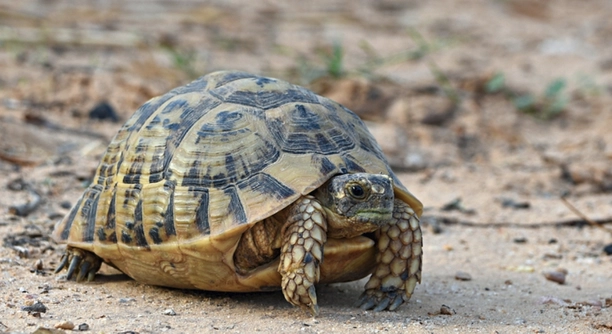
Overcrowding in a Russian tortoise enclosure can cause stress and health issues for your pet. Ensuring your tortoise has enough space is crucial to its well-being and development. This article will guide you on how to prevent overcrowding.
To prevent overcrowding in a Russian tortoise enclosure, provide ample space based on their size and needs. A general rule is at least 12 square feet per tortoise to allow them to roam, feed, and engage in natural behaviors.
Proper space management is vital for your tortoise’s happiness and health. Avoid overcrowding by offering separate enclosures when needed or expanding the habitat to ensure your pet can thrive.
Space Requirements for Russian Tortoises
Russian tortoises need a spacious environment to live comfortably. The minimum space requirement for a single tortoise is 12 square feet, but more space is always better. This allows them to explore, bask, and hide when needed. It is essential to provide both open areas for movement and sheltered spaces where they can retreat. If the enclosure is too small, your tortoise will likely experience stress, which can lead to health issues. Additionally, overcrowding can make it difficult for them to establish territories or access food and water, causing competition among the tortoises.
Overcrowding can severely affect your tortoise’s well-being. Proper space ensures that they can interact naturally with their environment, reducing aggression and improving overall health.
To create an ideal habitat, use a large enclosure or an outdoor pen with secure fencing. This prevents escapes while giving your tortoises plenty of space to roam, bask in the sun, and find food. If keeping multiple tortoises, ensure enough room for each one to have its own area. The enclosure should include areas for sunning, hiding, and eating, while keeping a consistent temperature for comfort. When considering size, also keep in mind that Russian tortoises are solitary by nature and should not be forced into crowded situations.
Creating a Comfortable Habitat
To maintain a healthy environment for your tortoise, ensure the space is clean and secure. Regular cleaning is important to prevent diseases and pests from taking hold.
Providing Hiding Spots and Shelters
Every Russian tortoise needs a place to hide. This gives them a sense of security and helps reduce stress. Shelters or hides can be simple items like a clay pot or a wooden box, as long as it’s spacious enough for the tortoise to retreat into comfortably.
Make sure the hideouts are placed in different areas within the enclosure. This encourages your tortoise to explore and claim their own space. It also provides a safe area where they can escape from the sun or other tortoises if they feel threatened. Proper hiding spots prevent overcrowding and allow for natural behavior.
A well-placed shelter should be accessible and comfortable. If you’re using a hideout made from a material like wood or clay, make sure there are no sharp edges that could harm your tortoise. Also, place hides where your tortoise can get privacy but still have room to roam freely in other parts of the enclosure. A variety of shelters is ideal for reducing stress and improving overall health.
Managing Multiple Tortoises
When keeping more than one Russian tortoise, the space requirements grow. Overcrowding can cause unnecessary competition for food and territory. It’s best to keep tortoises in pairs or small groups, ensuring each one has enough room to move around.
Avoiding Overcrowding with Appropriate Numbers
If you keep multiple tortoises, avoid overcrowding by limiting the number in the enclosure. A single tortoise needs at least 12 square feet, so more space will be required with each additional one. Overcrowding leads to stress and health problems.
For best results, only keep as many tortoises as the space can comfortably support. Ensure there is enough room for each tortoise to bask, eat, and sleep without being disturbed by others. This helps maintain harmony and prevents aggression. It also reduces the risk of diseases spreading among them.
Size of the Enclosure
The size of the enclosure should reflect the number of tortoises you plan to keep. A larger space ensures each tortoise has room to roam freely and reduce territorial disputes. The bigger the enclosure, the more comfortable the tortoises will feel.
Temperature and Humidity Control
Maintaining proper temperature and humidity levels in the enclosure is important to your tortoises’ health. Ensure that the basking area reaches around 90°F and the cooler areas stay around 75°F. The humidity should stay between 30-40% to mimic their natural environment.
FAQ
How many tortoises can live together in one enclosure?
The number of tortoises that can live together depends on the size of the enclosure. A single tortoise requires at least 12 square feet of space, so adding more tortoises means needing more space. For example, two tortoises will need at least 24 square feet. If you want to keep more tortoises, ensure there’s enough room for each one to have its own area to bask, hide, and eat. Too many tortoises in one enclosure can lead to stress, aggression, and competition for food.
What are the signs of overcrowding in a tortoise enclosure?
Overcrowding signs include increased aggression, competition for food, lack of space to move around, and tortoises showing signs of stress such as excessive hiding or a loss of appetite. When tortoises are crowded, they often become more territorial, leading to fights and injuries. Overcrowding can also lead to more frequent health issues, such as skin infections or respiratory problems, as they are more likely to come into contact with harmful bacteria or parasites.
Can I add new tortoises to an existing group?
Adding new tortoises should be done carefully. If you introduce a new tortoise into an already established group, there might be initial fighting or stress as they establish dominance. It’s best to introduce them slowly, in a separate area, for a period of time before mixing them into the same enclosure. You should also ensure the enclosure is large enough to accommodate the new addition without causing overcrowding. It’s better to be cautious than to risk stressing out your tortoises.
How do I prevent fighting between tortoises?
To prevent fighting, ensure each tortoise has its own space. Overcrowding can lead to territorial disputes. By providing separate hiding spots, basking areas, and food sources, each tortoise will feel more comfortable and less likely to engage in aggressive behavior. If fighting continues, it might be necessary to house tortoises separately until the aggression subsides. It’s also important to ensure that your tortoises are of similar size and temperament, as a much smaller tortoise may become a target for bullying.
Can multiple tortoises live in an outdoor enclosure?
Yes, multiple tortoises can live in an outdoor enclosure, but the same principles apply: they need plenty of space. Ensure the outdoor area is secure, as tortoises can sometimes escape. The space should also provide sunbathing areas, hiding spots, and access to fresh food and water. If you are keeping multiple tortoises outside, monitor them regularly to ensure they are not getting into fights or competing for resources. In cold climates, you may need to bring the tortoises inside during winter.
What should I do if my tortoise seems stressed?
If your tortoise is showing signs of stress, such as excessive hiding, aggression, or a lack of appetite, first check the size and setup of the enclosure. Make sure there’s enough space, that it’s clean, and that it includes proper hiding spots and basking areas. Also, ensure the temperature and humidity levels are appropriate. If the stress continues, consider moving tortoises to a different enclosure or reducing the number of tortoises in the current setup. Sometimes, stress can also be caused by poor diet or the presence of other animals.
How do I provide enough food for multiple tortoises?
When feeding multiple tortoises, it’s important to provide enough food for each one without them having to compete. Offer a variety of fresh leafy greens, vegetables, and other safe plant matter. Ensure that the food is spread out so that each tortoise can access it without getting in the way of others. Some tortoises may be more dominant and take over the food, so keeping separate feeding stations can help. Make sure to monitor how much each tortoise is eating and adjust portions accordingly.
Should I use a substrate for my tortoise enclosure?
Yes, using a substrate is important for keeping your tortoise’s environment healthy. It helps maintain humidity, provides a natural surface for burrowing, and makes cleaning easier. Safe substrate options include coconut coir, soil, and shredded newspaper. Avoid using materials that could be harmful if ingested, such as sand or gravel. Make sure the substrate is deep enough for the tortoises to dig and feel secure but not too deep to cause discomfort.
Is it okay to house different species of tortoises together?
It’s generally not recommended to house different species of tortoises together. Different species can have varying needs in terms of temperature, humidity, and diet. Additionally, tortoises may become territorial and aggressive toward each other, leading to fights or stress. It’s safer to house only the same species together, and even then, ensure the enclosure is large enough to support all of them.
How often should I clean the tortoise enclosure?
Cleaning should be done regularly to maintain a healthy environment. Spot cleaning, such as removing uneaten food and waste, should be done daily. A full cleaning of the enclosure, including replacing the substrate, should be done once a month or more frequently if needed. Regular cleaning helps prevent the buildup of bacteria and parasites, ensuring a safer and cleaner habitat for your tortoises.
When setting up a Russian tortoise enclosure, the most important factor is ensuring there’s enough space. Overcrowding can lead to stress, health problems, and aggression. By providing each tortoise with ample room, you can help create a peaceful and healthy environment where they can thrive. Proper space allows them to move freely, bask in the sun, and find shelter when they need it. This is key to their overall well-being and longevity.
Along with space, it’s essential to manage the other aspects of the enclosure, such as hiding spots, temperature, and humidity. Giving your tortoises a place to retreat to will reduce stress and help them feel secure. The temperature and humidity must mimic their natural habitat to keep them comfortable and healthy. Regular monitoring of these factors is important, as any significant changes can affect your tortoise’s health. Ensuring that the habitat stays clean and free of disease is also crucial to preventing overcrowding-related issues from escalating.
Lastly, remember that Russian tortoises are solitary creatures by nature. Introducing multiple tortoises into the same enclosure requires careful planning. Be mindful of their needs and give each tortoise enough space to avoid fighting or other stress-related behaviors. By following these guidelines, you can provide a safe and comfortable home for your tortoises, keeping them happy and healthy for years to come.

Hello,
If you enjoy the content that we create, please consider saying a "Thank You!" by leaving a tip.
Every little bit helps us continue crafting quality advice that supports the health, happiness, and well-being of pets around the world, for pets of all shapes, sizes, and species.
We really appreciate the kindness and support that you show us!