
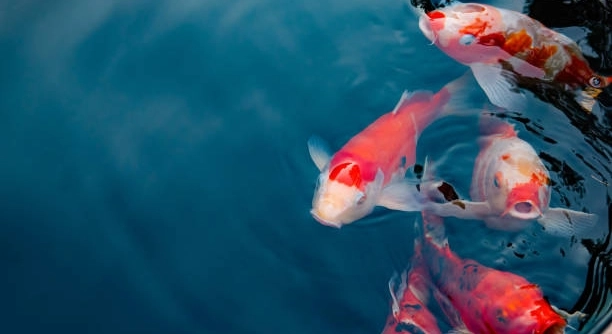
Do you ever find yourself worried about your koi fish jumping out of the pond, especially after you’ve just cleaned or adjusted something in their environment?
Koi fish jump most often due to poor water conditions, stress, or lack of proper pond coverage. Preventing this behavior involves maintaining clean water, minimizing stressors, and installing barriers like netting or pond covers.
Knowing how to prevent this behavior can help protect your koi and ensure a safer, more peaceful pond environment.
Why Koi Fish Jump Out of the Pond
Koi fish can jump out of their pond when something feels wrong or unfamiliar. It’s often related to water quality, sudden changes in temperature, or stressful surroundings. High ammonia levels, poor oxygen flow, and pH imbalances are common reasons. Loud noises, strong water currents, or even new fish being added can upset koi. If the environment feels uncomfortable, they may try to escape. Another reason can be parasites or illness, which may make the fish restless. If koi are jumping, it’s usually a sign they’re uncomfortable or something is off with the pond. Jumping isn’t playful—it’s a sign that something needs attention. Checking water parameters and observing behavior closely can help identify the issue early. Preventing this behavior begins by creating a clean, calm, and stable pond environment. This can reduce stress and keep your koi swimming peacefully instead of leaping out of their habitat.
Jumping can also happen when koi explore new areas, especially after changes in water depth or layout.
Make sure pond levels are consistent and avoid drastic changes. Koi prefer calm water and safe zones with shade. Providing floating plants or gentle filters helps reduce stress. Even minor tweaks in the setup can lower jumping incidents.
How to Stop Koi From Jumping
A strong net is one of the easiest ways to prevent koi from jumping out. It acts as a physical barrier without bothering the fish. Look for netting that fits tightly and covers the pond edges well.
Beyond nets, keeping water quality steady is the most important step. Test ammonia, nitrite, pH, and oxygen levels weekly. Use a good filtration system and clean it regularly. Avoid adding too many fish at once, as this can change the pond’s balance. Make sure the water isn’t too hot or too cold. Koi like consistency, and sudden shifts can make them panic. Use floating plants to give them cover and reduce light exposure. If you add new koi, keep them in quarantine first. Also, remove anything that might cause loud splashing, like fountains that hit the water too hard. Try not to make sudden movements near the pond. Calm surroundings can keep koi from feeling threatened. Watch your fish daily, even for a minute, so you’ll notice changes before they become problems.
Common Mistakes That Lead to Jumping
Overfeeding koi can lead to poor water quality, which stresses them and may cause jumping. Uneaten food breaks down, raising ammonia and clouding the water. It’s best to feed small amounts and remove leftovers quickly.
Another common mistake is changing too much water at once. Large water changes can shock koi by altering temperature, pH, and chemical levels too quickly. Instead of replacing half the pond at once, do smaller changes of around 10–15% regularly. This keeps conditions stable and avoids stressing the fish. Also, adding untreated tap water directly into the pond can introduce chlorine and other chemicals that irritate koi. Always use a dechlorinator and test the water before making any adjustments. Sudden shifts in water quality make koi uneasy and increase the chances of them trying to escape their pond.
Neglecting to check pond equipment can also lead to problems. Broken pumps or filters can lower oxygen and create dirty water.
Creating a Safe and Calm Environment
Strong plants along pond edges offer shade and help koi feel secure. They also slow fast-moving water. A calm space with hiding spots keeps koi relaxed, especially in warmer months or when startled by loud noises or predators.
Installing pond covers not only blocks jump attempts but also helps protect koi from outdoor threats like birds and raccoons. Covers come in different materials—some are solid, others are mesh. Choose one that allows light and air while keeping koi in. Noise and movement around the pond also matter. If the pond is near a busy area, try to block views or add fencing for privacy. Koi sense motion and can be startled easily. Adding a few floating plants, like water lettuce or lilies, gives shade and makes the pond feel safe. These small details go a long way in making the space less stressful and more secure for your koi.
How Weather and Seasons Affect Jumping
During warmer months, oxygen levels in the pond drop, which can stress koi and lead to jumping. Adding aeration or running a waterfall helps keep oxygen levels steady in hot weather.
In cooler seasons, koi become sluggish and more sensitive to sudden changes. Avoid cleaning or disturbing the pond too much during these times.
Monitoring Koi Behavior Regularly
Watching your koi for just a few minutes each day can reveal early signs of stress. Look for changes like rapid swimming, rubbing against surfaces, or staying near the surface too long. These signs often mean something in the pond needs attention. Keeping track of behavior helps you react before jumping starts.
What to Do After a Jumping Incident
If a koi jumps out, return it to the water quickly and check for injuries. Isolate it if needed to avoid infections.
FAQ
Why do koi fish jump out of the pond even when the water looks clean?
Even if the water looks clear, that doesn’t always mean it’s healthy. Koi respond to things we can’t see—like ammonia, nitrites, pH imbalance, or low oxygen. These can all trigger stress and cause jumping. It’s important to test the water often, not just rely on how it appears. Changes in temperature or recent disturbances like cleaning or adding new fish can also upset koi. Jumping is often their way of escaping something uncomfortable in the water. So, regular water testing and slow, careful changes are important for keeping your koi calm and safe.
Is it normal for koi to jump occasionally?
A rare jump might not mean there’s a serious problem. Koi sometimes jump when exploring or during feeding if they get excited. But if jumping becomes a pattern, it’s likely a sign of stress or irritation. Multiple jumps or repeated behavior shouldn’t be ignored. It’s always best to check water conditions and look for anything unusual in their environment. Watch for other signs like flashing (rubbing against surfaces), isolation, or fast gill movement. If you notice these along with jumping, there’s probably something off that needs fixing.
Can lights or reflections make koi jump?
Yes, bright lights and reflections can confuse or scare koi. Sudden flashes or glare on the water surface can make them feel like something is attacking. Try to avoid placing strong lights near the pond or using smooth, overly reflective materials around it. If you use lighting, go for soft, indirect lights that don’t shine directly into the water. Keeping the pond shaded during the brightest times of day can also help reduce harsh reflections and keep koi calmer.
How deep should the pond be to help prevent jumping?
A good depth for a koi pond is at least 3 feet. Shallower ponds warm up and cool down quickly, which can stress koi. Deeper ponds give fish more space to escape uncomfortable conditions and make them feel more secure. A deeper pond also helps buffer sudden changes in temperature and gives you room to add rocks or plants for shelter. If koi feel safer, they’re less likely to jump. Make sure the edges are secure, even if the pond is deep—especially in the corners where koi may gather.
What kind of net should I use to stop koi from jumping?
Use a tight-fitting, fine mesh net that covers the entire pond, including the edges. Avoid nets with large openings, as koi can sometimes still squeeze through. Choose something strong enough to hold up against wind or animals but still light enough to lift for cleaning or feeding. Some people use frames or PVC pipe to hold the net securely above the water. If the net sags or dips, koi can jump onto it and get stuck. A flat, stretched surface works best and keeps your pond safe without bothering the fish.
Do koi fish jump more at night?
Yes, koi may jump more at night when it’s quiet and dark. Sounds, animals, or temperature shifts can startle them when their vision is reduced. If your pond is not well protected, nighttime is when escapes are more likely. A net or pond cover is extra important during overnight hours. Also, check for animals like raccoons or birds that might disturb your pond at night. Even shadows or flickering light from nearby windows can make koi uneasy. Creating a calm and secure nighttime environment helps reduce jumping risks.
Can koi get injured when they jump out?
Yes, koi can get hurt when they land on hard surfaces outside the pond. Scrapes, bruises, or even internal injuries can happen. If a koi is found outside the water, return it gently and observe for signs of stress or damage. Injured koi may need to be isolated in a separate tank with clean, calm water and possibly treated with antibacterial products to prevent infection. Keep the area around the pond soft and clear of sharp objects, just in case. Quick action can often save a koi after a jump, especially if it’s spotted early.
Is it okay to use floating plants to help keep koi calm?
Yes, floating plants like water lettuce or hyacinth are helpful. They provide shade, reduce light reflections, and make the pond feel safer. Koi often feel more at ease when they have areas to hide or rest under. Just make sure the plants don’t block too much light or oxygen. A balance of open water and shaded spots works best. Remove dead leaves to keep water quality from dropping. Plants also help naturally filter the water, which can lower stress and reduce the chance of jumping.
Final Thoughts
Keeping koi fish from jumping is mostly about making sure they feel safe and comfortable in their pond. When their environment is stable and clean, they are less likely to show stress by jumping. This includes having good water quality, consistent temperature, and enough space to swim. It also means protecting the pond with nets or covers and reducing loud noises or sudden movements nearby. Koi are sensitive creatures, and small things can bother them more than we think. Even small changes like adjusting how much you feed them or adding more plants can make a big difference.
Watching your koi daily helps you notice if something seems off. If one starts acting differently or jumping, it may be a sign that something in the pond needs attention. Catching problems early can save time and prevent bigger issues. Testing the water regularly, cleaning filters, and keeping equipment working well are all simple steps that can prevent stress in your koi. Also, remember that koi are more likely to jump during certain times, like after a water change, when adding new fish, or during hot weather. Planning ahead and making changes slowly helps keep them calm and secure.
Preventing koi from jumping isn’t hard, but it does take some care and consistency. Every pond is different, so it’s about finding what works best in your setup. The goal is to give your koi a space where they feel relaxed, protected, and healthy. When koi feel safe, they’re more likely to stay where they belong—inside the pond. With just a little daily attention, you can create a peaceful home for them. Taking these steps not only protects your koi but also makes your time watching them more enjoyable.

Hello,
If you enjoy the content that we create, please consider saying a "Thank You!" by leaving a tip.
Every little bit helps us continue crafting quality advice that supports the health, happiness, and well-being of pets around the world, for pets of all shapes, sizes, and species.
We really appreciate the kindness and support that you show us!