
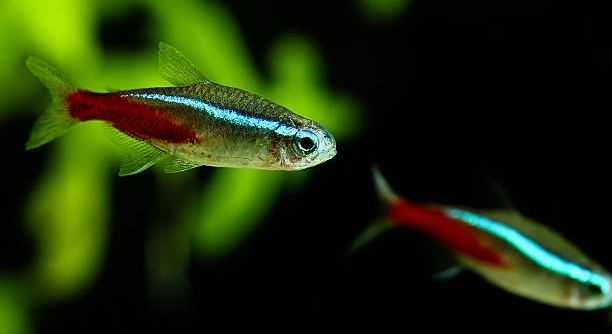
Neon tetras are beautiful fish that require a well-maintained aquarium to thrive. However, filter malfunctions can disrupt the delicate balance of their environment, potentially harming both the fish and the water quality. Proper care is essential.
Filter malfunctions in a neon tetra aquarium often occur due to clogging, improper maintenance, or suboptimal placement. Regular cleaning, checking the water flow, and ensuring correct filter size can prevent common issues that impact the aquarium’s ecosystem.
By following these steps, you can maintain a healthy and balanced environment for your neon tetras, ensuring their safety and happiness in the tank.
Importance of Regular Filter Maintenance
One of the most effective ways to prevent filter malfunctions is by performing regular maintenance. It’s easy to overlook, but filters need to be cleaned and checked every few weeks to avoid issues like clogging or inefficient filtration. Over time, debris and waste can accumulate, causing the filter to work less effectively. Regularly cleaning the filter will ensure proper water flow and filtration, which is essential for maintaining the health of your neon tetras.
In addition to cleaning, checking the filter media is crucial. Make sure the filter’s sponge or cartridge is not too worn out, as this can reduce its ability to filter the water properly. Replacing these parts when necessary helps to keep the filter in good condition.
Overall, consistently maintaining your filter will help prevent unexpected malfunctions, ensuring your neon tetra aquarium remains clean and the fish stay healthy. A little time spent on maintenance will go a long way in avoiding larger problems down the line.
Proper Filter Placement Matters
The placement of your filter plays a significant role in its effectiveness. A filter placed in an area with poor water flow may not be able to properly circulate the water, leading to filtration problems. Make sure your filter is positioned to allow water to flow freely, ensuring it can catch debris and waste efficiently.
Filters need to pull in water from all areas of the aquarium. If placed incorrectly, it could lead to uneven water movement, allowing pockets of dirty water to remain. Make sure to adjust your filter’s position regularly to ensure optimal performance.
Use the Right Filter Size
Choosing the correct size filter is essential to prevent malfunctions. Filters come in various sizes and strengths, so it’s important to pick one suited for your aquarium’s specific needs. A filter that’s too small for your tank will struggle to properly filter the water, leading to potential issues like poor water quality.
A larger filter can be more efficient, but it can also create strong currents, which may disturb your neon tetras. Therefore, it’s essential to find a balance. If you’re unsure, check the filter’s specifications and match them with the size of your aquarium.
Using the right filter size ensures your aquarium stays clean without overworking the filter or disrupting the delicate balance of the tank.
Check for Clogged Filter Parts
A common cause of filter malfunctions is clogged filter parts, particularly the intake tube and filter media. When debris, algae, or waste build up, it blocks the water flow and reduces filtration efficiency. Make sure to check these parts regularly and clean them to prevent blockages.
The intake tube is particularly prone to collecting debris, which can prevent water from circulating properly. Simply remove any visible buildup with a soft brush or rinse the tube with water. Also, clean the filter media according to the manufacturer’s guidelines. This ensures proper filtration and prevents strain on the filter motor.
If not cleaned, clogs can damage the filter, leading to more serious malfunctions and even equipment failure. Keeping the filter parts clear helps maintain optimal water quality and keeps your aquarium running smoothly.
Avoid Overloading the Filter
Overloading the filter can also lead to malfunctions. When there’s too much waste or debris for the filter to handle, it can become overwhelmed and fail to keep up with the water’s needs. This can result in poor filtration and higher maintenance demands.
Avoid overfeeding your neon tetras, as excess food can quickly pollute the water. Also, ensure that your aquarium isn’t overcrowded, which can increase waste production. Both factors put extra strain on the filter. Properly managing the tank’s bioload will ensure the filter can effectively handle the water.
A filter that’s constantly overworked will break down faster and cause frequent malfunctions. By maintaining a manageable tank size and feeding habits, you help keep the filter running efficiently and prevent potential issues.
Monitor Water Flow Regularly
Water flow is crucial for the health of your neon tetras and the proper function of your filter. If the flow is too weak, the filter won’t be able to properly circulate the water, leading to poor filtration. Regularly check the water flow to ensure it remains consistent.
If you notice a drop in water flow, it may be a sign that the filter is clogged, or the pump is struggling. Clean the filter and its components as needed, and check for any blockages. Regular monitoring helps avoid unnoticed issues and keeps the aquarium environment stable.
Replace Filter Parts When Necessary
Over time, filter parts will degrade and lose their effectiveness. Replacing worn-out components, such as the filter cartridge or sponge, ensures optimal filtration. These parts collect debris and bacteria, and if they become too dirty or damaged, the filter won’t work efficiently.
Make it a habit to check the filter parts every few months, replacing them when necessary. New parts maintain better filtration, and your neon tetras will benefit from a cleaner tank. Staying on top of this maintenance can prevent filter failure and keep your aquarium thriving.
Use a Backup Power Supply
Having a backup power supply is a smart move in case of power outages. Without power, the filter will stop running, leading to a rapid decline in water quality. A battery-powered backup can keep the filter running until power is restored.
Even short-term power failures can be harmful to your fish, especially if they last too long. The backup will prevent water from becoming stagnant and keep the filtration system active. By adding this extra layer of security, you reduce the risk of filter malfunctions caused by power loss.
FAQ
How often should I clean my filter in a neon tetra aquarium?
You should clean your filter every 2-4 weeks, depending on the size of your aquarium and the filter’s capacity. If the tank is heavily stocked, or if you notice a decrease in water flow, clean the filter more often. This prevents debris buildup and keeps the water quality high. Always rinse the filter components with aquarium water, not tap water, to preserve beneficial bacteria.
Can I use any type of filter for a neon tetra aquarium?
Not all filters are ideal for neon tetra aquariums. It’s important to choose a filter that provides gentle water flow because neon tetras prefer calm waters. A sponge filter or a small power filter is often best, as it won’t create strong currents that could stress the fish. Ensure the filter is the right size for your tank to maintain proper filtration without overpowering the fish.
How do I know if my filter is malfunctioning?
Signs of a malfunctioning filter include a noticeable drop in water flow, unusual sounds coming from the filter, or cloudy water despite regular maintenance. You may also notice an increase in algae growth or a buildup of waste in the tank. If you spot any of these issues, inspect the filter for clogs or damage, and clean or replace parts as needed.
Is it safe to use chemicals to clean my filter?
Using chemicals to clean your filter is not recommended, as they can harm beneficial bacteria that are essential for maintaining a healthy aquarium ecosystem. Stick to rinsing the filter parts with aquarium water to preserve this bacteria. If a deep cleaning is required, simply soak the components in tank water and gently scrub to remove buildup.
How do I prevent my filter from becoming clogged?
To prevent clogs, regularly clean the filter and inspect the intake tube for debris. Avoid overfeeding your fish, as leftover food can clog the filter. Keep the aquarium clean by doing regular water changes and vacuuming the substrate. Using filter media with larger pores can also help reduce the chance of clogs.
What size filter do I need for my neon tetra tank?
The filter size should be chosen based on the volume of your aquarium. A general rule is to have a filter rated for at least 3-5 times the volume of your tank. For example, for a 20-gallon tank, choose a filter rated for 60-100 gallons per hour (GPH). This ensures proper filtration while avoiding overly strong currents that could stress your fish.
Should I leave my filter running all the time?
Yes, your filter should run continuously to ensure water is consistently circulated and filtered. Turning off the filter can lead to poor water quality, which can stress or harm your neon tetras. If you’re worried about noise or energy consumption, consider investing in a quieter, more energy-efficient model.
Can I add live plants to my tank if the filter is malfunctioning?
While live plants can help improve water quality by absorbing excess nutrients, they won’t replace a malfunctioning filter. If your filter is not working properly, it’s important to fix or replace it as soon as possible. Plants alone won’t be enough to maintain proper filtration, and the tank will still suffer from poor water quality.
What should I do if my filter stops working completely?
If your filter stops working entirely, first check the power source and connections. If there’s no issue with the electricity, inspect the motor for any signs of damage or blockage. Clean the filter and try restarting it. If it still doesn’t work, it may be time to replace the filter. Consider keeping a backup filter on hand to avoid interruptions in filtration.
How do I prevent strong water currents in my tank?
To prevent strong water currents, use a filter with adjustable flow control. Alternatively, you can place the filter at one end of the tank, away from where your neon tetras tend to swim. Adding live plants or decorations can also help diffuse water flow and create calmer areas in the tank.
Can I use a hang-on-back filter for a neon tetra tank?
A hang-on-back filter can be a good choice for a neon tetra tank, as long as the flow rate is not too strong. These filters are easy to install and maintain, but it’s important to select one with adjustable flow so that the current remains gentle for your fish. Keep in mind that proper water movement is essential for filtration, so ensure the filter’s output doesn’t overwhelm the tank.
How do I check if the filter media needs to be replaced?
Inspect the filter media for signs of wear, discoloration, or excessive buildup. If the media is falling apart or has become too clogged to clean effectively, it’s time to replace it. Regularly rinsing the media will prolong its life, but eventually, it will need replacing to maintain efficient filtration.
Are sponge filters better than power filters for neon tetra aquariums?
Sponge filters are often preferred for neon tetra tanks because they provide gentle water flow, which is ideal for these small, peaceful fish. They also offer biological filtration, which helps maintain water quality. Power filters can be used as well, but ensure the flow rate is adjustable and not too strong for your neon tetras.
How do I prevent my filter from creating too much noise?
To reduce filter noise, ensure it’s properly positioned on a stable surface and that it’s not vibrating against the aquarium glass or stand. If the noise persists, try adding a soft mat under the filter to absorb vibrations. Regular maintenance can also prevent clogs that cause the filter to work harder and make noise.
Can I use a filter without a pump in a neon tetra tank?
While a pump is typically necessary for ensuring proper water circulation, you can use a sponge filter in a neon tetra tank without a pump. These filters rely on air stones to create a slow water flow, which is gentle and safe for your neon tetras. However, sponge filters are less efficient than pump-driven filters, so they may need to be cleaned more frequently.
What are the signs that my filter is too small for my tank?
If your filter is too small, you’ll notice an increase in waste buildup, cloudy water, or poor water flow. Your neon tetras may also show signs of stress, such as erratic swimming. If the filter doesn’t seem to be keeping up with the tank’s needs, it’s time to upgrade to a larger, more efficient model.
How do I prevent algae growth related to filter issues?
Algae can grow rapidly if your filter isn’t working properly, especially if there’s excess nutrients in the water. Make sure to clean the filter regularly and do partial water changes to remove excess nutrients. Adding live plants can also help outcompete algae for nutrients. Avoid overfeeding to prevent excess waste.
Final Thoughts
Maintaining a healthy aquarium for your neon tetras involves more than just ensuring clean water. The filter plays a crucial role in keeping the water quality stable, which is vital for the health of your fish. By understanding common filter malfunctions and taking proactive steps to prevent them, you can avoid stress and ensure that your fish thrive in a clean environment. Regular cleaning, proper filter selection, and attention to any signs of malfunction will make a significant difference in the long-term success of your aquarium.
In addition to maintaining the filter, monitoring water quality through regular tests is important. Keeping an eye on pH, ammonia, nitrite, and nitrate levels helps you catch potential problems early. If your filter isn’t working efficiently, it can lead to water quality issues, which in turn could harm your neon tetras. The key to a healthy tank is consistency in your maintenance routine. By sticking to a schedule for cleaning the filter, performing water changes, and checking the overall health of the tank, you can avoid many common issues and keep your neon tetras in a stress-free environment.
Finally, don’t overlook the importance of providing your neon tetras with a well-balanced environment. The filter is just one part of the equation. Proper tank setup, appropriate tank mates, and the right amount of food are all essential factors in ensuring that your fish remain healthy and happy. By paying attention to these details and addressing filter problems quickly, you can enjoy a vibrant and thriving neon tetra aquarium for years to come. With a little care and attention, your fish will remain safe in a clean, well-maintained environment.

Hello,
If you enjoy the content that we create, please consider saying a "Thank You!" by leaving a tip.
Every little bit helps us continue crafting quality advice that supports the health, happiness, and well-being of pets around the world, for pets of all shapes, sizes, and species.
We really appreciate the kindness and support that you show us!