
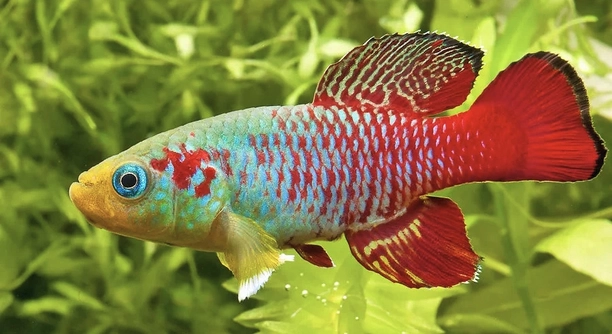
Rainwater is a natural source often used to care for killi fish, providing a soft and clean environment. Proper preparation of rainwater is important to keep these delicate fish healthy and thriving in their tanks. This article will guide you through the basic steps needed to prepare rainwater safely for your killi fish.
To prepare rainwater for killi fish, collect it carefully to avoid contamination, let it settle to remove debris, and then treat it to balance pH and remove harmful substances like chlorine or heavy metals before use.
Understanding how to properly prepare rainwater can help you create a safe habitat for your killi fish and support their well-being in captivity.
Collecting Rainwater Safely
Collect rainwater in a clean container to avoid introducing dirt or harmful chemicals. Avoid using metal buckets or containers that have held chemicals. Ideally, use food-grade plastic or glass containers. It is best to collect rainwater during or right after light rain because heavy rain can wash dust and pollutants from the air into the water. Before collecting, rinse your container with clean water to reduce contamination. Store collected rainwater in a cool, shaded place to prevent algae growth. Avoid using rainwater collected near busy roads or industrial areas, as it may contain pollutants that can harm your killi fish.
Keeping your collection method clean helps maintain the quality of the water, reducing the need for heavy treatment later. It also ensures your fish stay healthy and reduces stress on their delicate systems.
Collecting rainwater with care is the first step in creating a safe environment for your killi fish. Proper storage also limits bacteria growth, making the water safer for their habitat.
Preparing Rainwater for Use
Let the rainwater sit for at least 24 hours before using it in your aquarium. This allows any dirt or debris to settle at the bottom. After settling, carefully pour the clear water into another clean container, leaving sediment behind. Test the water’s pH and hardness levels to ensure they are within the preferred range for killi fish, typically a pH between 6.0 and 7.5 and soft to moderately hard water. If necessary, use aquarium water conditioners or natural additives to adjust the water chemistry. Always remove chlorine or chloramine if present, as these chemicals can harm your fish. Using prepared rainwater properly helps maintain stable water conditions and supports your killi fish’s health over time.
Testing and Adjusting Water Parameters
Testing water parameters is essential before adding rainwater to your killi fish tank. Use a reliable test kit to check pH, hardness, and ammonia levels. Regular testing helps maintain a healthy environment for your fish.
If the pH is too high or low, adjust it slowly using natural products like peat moss or crushed coral. Avoid sudden changes, as killi fish are sensitive to shifts in water chemistry. Soft water is preferred, so keep hardness low by diluting with distilled water if needed. Monitoring ammonia is crucial; it should always be near zero to avoid stress or illness.
Adjusting water hardness and pH carefully prevents health problems and promotes natural behavior. A gradual approach ensures your killi fish adapt comfortably to their environment, reducing risk and improving their well-being.
Filtering and Aerating Rainwater
Rainwater usually lacks the minerals found in tap water, so it can feel soft and clean but may need aeration. Aerate the water by stirring or using an air stone to add oxygen. This helps maintain healthy oxygen levels for your fish.
Filtering rainwater before use removes debris and harmful substances. Use a gentle filter to avoid disturbing beneficial bacteria. Activated carbon filters are helpful to remove toxins but remember to replace the carbon regularly. A good filtration system balances water clarity with the right chemical environment, keeping your fish safe. Proper filtering and aeration support a stable aquarium, encouraging your killi fish to thrive in their tank.
Removing Impurities from Rainwater
Impurities in rainwater can harm killi fish if not removed properly. Let the water settle to separate dirt and particles before use. Using a fine mesh or cloth to strain the water helps keep out debris and small insects.
Boiling rainwater can eliminate harmful bacteria and parasites. After boiling, allow the water to cool before adding it to the tank to prevent temperature shock to your fish.
Using Rainwater with Tap Water
Mixing rainwater with treated tap water can balance minerals and improve water stability. This combination helps provide necessary nutrients while maintaining softness preferred by killi fish.
Storing Prepared Rainwater
Store prepared rainwater in clean, sealed containers to prevent contamination. Keep it in a cool, dark place to reduce algae growth and preserve water quality.
Monitoring Water Quality Regularly
Check water quality weekly to ensure safe conditions for your fish. Regular monitoring helps catch problems early, supporting the health of your killi fish.
FAQ
How often should I change the rainwater in my killi fish tank?
Changing about 20-30% of the water weekly is a good practice. This helps keep the water clean and removes waste without shocking your fish. Regular partial water changes maintain stable water conditions and support the health of your killi fish.
Can I use rainwater directly from the roof or gutters?
It’s not recommended to use rainwater directly from roofs or gutters without treatment. These areas can collect dirt, bird droppings, and chemicals that may harm your fish. Always filter and treat collected rainwater before adding it to the tank.
Is it necessary to test rainwater before using it for killi fish?
Yes, testing is very important. Rainwater can vary in pH, hardness, and other qualities depending on location and weather. Testing helps you adjust these parameters to match your killi fish’s needs, preventing stress and illness.
What is the best way to remove chlorine from rainwater?
Most rainwater does not contain chlorine, but if it does, use a water conditioner designed for aquarium use. Letting the water sit for 24 hours can also allow chlorine to dissipate naturally. Always confirm with a test kit.
Can I store rainwater for a long time before using it?
You can store rainwater, but it’s best to use it within a few weeks. Store it in clean, sealed containers away from sunlight to prevent algae growth. Old water can lose oxygen and quality, which may affect your fish.
What pH level is ideal for killi fish in rainwater?
Killi fish prefer slightly acidic to neutral water, usually between pH 6.0 and 7.5. Maintaining stable pH within this range helps keep them healthy and active.
How do I adjust water hardness in rainwater?
Rainwater is usually soft, which is good for killi fish. If hardness is too low, you can add small amounts of minerals or mix with treated tap water. Adjust slowly and test often to avoid stressing your fish.
Is it safe to use rainwater if it smells bad?
No, foul-smelling rainwater may contain harmful bacteria or pollutants. Avoid using water that smells sour or rotten. Always collect fresh, clean rainwater and treat it before use.
Can rainwater cause algae growth in the tank?
Yes, rainwater can encourage algae if it contains nutrients and is exposed to light. Proper storage away from sunlight and regular tank maintenance reduce algae risk.
Should I aerate rainwater before adding it to the tank?
Aerating rainwater by stirring or using an air stone helps increase oxygen levels. This is beneficial because rainwater may have low oxygen content, which is important for your fish’s health.
What if my rainwater has floating debris after settling?
Use a fine cloth or filter to strain the water before use. Removing floating debris prevents contamination and keeps the tank cleaner, protecting your fish.
Can I feed my killi fish right after changing the rainwater?
It’s best to wait a short time after water changes before feeding. This allows your fish to adjust to the new water conditions and reduces stress, helping them digest food better.
Are there any risks using rainwater long-term in the aquarium?
Using rainwater long-term is safe if properly prepared and monitored. Regular testing and water changes are key to avoiding nutrient imbalances or contamination that could harm your fish.
How can I tell if rainwater is harming my killi fish?
Signs include lethargy, gasping at the surface, or unusual swimming behavior. Test the water immediately and adjust parameters or change the water to prevent further harm.
Is rainwater better than tap water for killi fish?
Rainwater is often preferred because it is soft and free from many chemicals found in tap water. However, tap water can be made safe with treatment. Both can be suitable when properly prepared.
Properly preparing rainwater for your killi fish is an important step to ensure their health and happiness. Using rainwater can create a natural, soft environment that mimics their wild habitat. However, it’s essential to collect, treat, and test the water carefully before adding it to the aquarium. This helps remove impurities and keeps the water safe for your fish. Taking these steps reduces stress on your killi fish and supports their long-term well-being.
When collecting rainwater, use clean containers and avoid areas that may contaminate the water with dirt or chemicals. Letting the water settle and filtering it removes most debris. Testing for pH, hardness, and harmful substances ensures the water matches your fish’s needs. Small adjustments can make a big difference, especially since killi fish are sensitive to sudden changes in water conditions. Regular monitoring is also key to maintaining a stable environment.
Rainwater is a good option, but it does need care and attention like any other water source. Mixing it with treated tap water or using conditioners can help balance minerals and protect your fish. Aeration and filtration improve water quality further. Keeping these routines consistent allows you to provide the best home for your killi fish. Overall, patience and care when preparing rainwater will lead to a healthier aquarium and happier fish.

Hello,
If you enjoy the content that we create, please consider saying a "Thank You!" by leaving a tip.
Every little bit helps us continue crafting quality advice that supports the health, happiness, and well-being of pets around the world, for pets of all shapes, sizes, and species.
We really appreciate the kindness and support that you show us!