
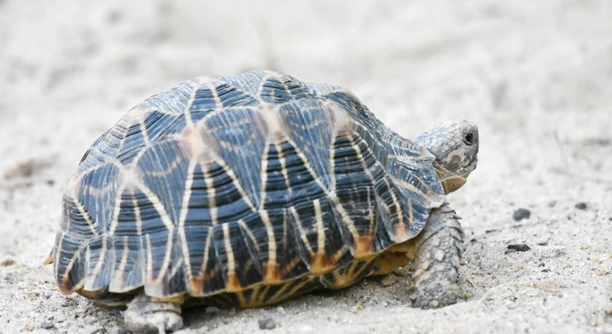
Preparing for the Indian Star Tortoise breeding season requires a careful understanding of their needs and environment. This is a crucial time for these reptiles, and proper preparation can help ensure successful breeding.
To prepare for the Indian Star Tortoise breeding season, it is important to create a suitable habitat with optimal temperature, humidity, and lighting. Provide adequate space for the tortoises to roam and ensure a nutritious diet to support their health during this time.
Proper care before and during the breeding season is vital for successful tortoise reproduction. Understanding their habitat and diet requirements will help you provide the best environment.
Preparing the Habitat
Before the breeding season begins, ensuring the Indian Star Tortoise has a suitable environment is key. They thrive in warm, dry conditions with temperatures ranging between 80°F to 90°F during the day and slightly cooler at night. The habitat should be spacious, as they need room to move around. It’s essential to include both basking areas under UVB lighting and shaded areas for them to retreat to when they need a break from the heat. A large, secure outdoor enclosure with a mix of natural substrates like soil and sand is ideal for promoting natural behaviors. In addition, maintaining humidity levels between 50-60% will help prevent dehydration, especially during the mating season. Ensuring that there are no sharp objects or dangerous items in their enclosure is also crucial to their safety.
While space and warmth are important, a clean environment cannot be overlooked. Make sure to regularly remove waste, as tortoises can be sensitive to dirty living conditions. This will help prevent stress and health problems.
By preparing the habitat properly, you set the stage for a successful breeding season, ensuring that your tortoises feel comfortable and safe during this critical time.
Diet and Nutrition
Feeding your tortoises a balanced diet plays a major role in their overall health.
Indian Star Tortoises need a high-fiber diet composed mostly of grasses, weeds, and leafy greens. It’s important to avoid too many fruits or vegetables with high moisture content as they can upset their digestive system. Calcium is vital for shell growth and reproductive health, so supplementing their food with calcium powder is advised. Fresh water should always be available for hydration, particularly during the breeding season when hydration needs increase. A healthy diet not only supports their energy levels but also helps with successful breeding.
Health Monitoring
Keeping track of their health is essential for tortoises during breeding season. Regular checks for signs of illness, such as changes in appetite or activity levels, can prevent health issues from hindering reproduction. Keep an eye on their shells, looking for any signs of injury or abnormal growth, as these can indicate underlying health problems. Regular vet check-ups can help ensure they are free from parasites or infections that might affect their breeding readiness. Additionally, tortoises are more likely to breed successfully if they are healthy and stress-free.
Temperature Control
Temperature plays a huge role in stimulating breeding behavior.
During the breeding season, it’s essential to maintain a warm temperature of around 85°F in the daytime, with a drop to around 75°F at night. These fluctuations mimic the natural environmental changes tortoises would experience in the wild. Keeping a stable daytime warmth encourages active behavior and mating readiness. Using a temperature gradient within the enclosure helps the tortoises self-regulate, ensuring they can choose their comfort zone. Additionally, a basking spot under UVB light helps with vitamin D production, necessary for shell and reproductive health.
If temperatures drop too much, tortoises may become lethargic and less likely to breed. A reliable thermostat and heat source can prevent this from happening.
Proper temperature control allows the tortoises to stay active, healthy, and ready for the breeding season.
Lighting Needs
UVB lighting is a key factor when preparing for the breeding season.
To simulate natural sunlight, it is crucial to provide your tortoises with UVB lighting. This helps them produce vitamin D3, which is essential for calcium absorption. Calcium supports shell health and overall bodily functions, making it vital for successful reproduction. UVB lamps should be placed within 12-18 inches of your tortoises, and their light should be replaced every 6 months to ensure maximum effectiveness. A consistent light cycle, with around 12 hours of light followed by 12 hours of darkness, helps mimic natural day-night patterns, encouraging their reproductive behaviors.
Without proper UVB exposure, tortoises may become unhealthy, and the chances of successful breeding may drop significantly. Make sure the lighting setup is reliable and meets the specific needs of your tortoises.
Ensuring they get enough UVB light, especially during the breeding season, supports their health, energy levels, and mating readiness.
Mating Behavior
Understanding their natural mating behavior is crucial for successful breeding.
Indian Star Tortoises typically show increased activity and interest in each other as they approach the breeding season. Males may chase females, and this is a sign of courtship. During this time, it’s common to see more vocalizations or even some light aggression. It’s important to give them plenty of space to interact, but also ensure there is no overcrowding, which can lead to stress or injury. Observing their behavior closely will help you gauge when they are ready to mate.
If mating does occur, there’s a chance for successful egg fertilization, but it may take several attempts.
Egg Laying Conditions
Egg-laying is another crucial part of the breeding process.
Female tortoises will need a suitable area to lay their eggs. A nesting box with soft, loose soil is essential for egg deposition. Ensure the soil is deep enough for them to dig into comfortably. The area should be kept warm and dry, with an appropriate humidity level of about 60%. Avoid disturbing the female once she starts digging, as this can cause stress. It’s common for females to lay multiple clutches, so providing a secure environment for each egg-laying attempt will help her feel safe.
Monitor the nest after laying and remove any infertile eggs to avoid bacterial growth.
Monitoring the Eggs
After eggs are laid, it’s vital to monitor them closely.
Once the female tortoise has laid her eggs, you’ll need to check on them periodically to ensure they remain undisturbed and maintain proper conditions. The temperature of the incubation environment should remain consistent around 85°F. It’s important not to handle the eggs too much, as it can affect the hatching process. If using an incubator, make sure it’s set to the correct temperature and humidity level. Check for any signs of mold or bacteria, and remove affected eggs promptly to avoid contaminating the rest.
Keeping the eggs in a stable, safe environment gives them the best chance to hatch successfully.
FAQ
What temperature should I keep my Indian Star Tortoises during breeding season?
During breeding season, it’s important to maintain temperatures between 85°F and 90°F during the day. At night, the temperature can drop to around 75°F. These fluctuations mimic the natural environment, encouraging breeding behavior. Make sure there is a basking area with a higher temperature, while other areas should be cooler to allow the tortoises to regulate their body heat. A reliable thermometer is essential to ensure temperatures stay within the proper range. Proper heating is critical, as temperatures outside this range may cause stress or prevent successful mating.
How can I tell if my Indian Star Tortoises are ready to breed?
Male Indian Star Tortoises often become more active and start chasing females as they enter the breeding season. This increased activity is a clear indicator that they are ready to mate. Males may also display certain behaviors, such as vocalizations or butting their heads against the female. The female may show interest in the male but can also seem less active during this time. The readiness to breed depends on their health, age, and environmental factors, so ensure they have a suitable habitat with the right temperature and lighting conditions.
How often do Indian Star Tortoises breed?
Indian Star Tortoises typically breed once a year, usually during the warmer months when their environment is at its most suitable. Mating behavior can begin in the early spring and continue into summer. However, it’s not uncommon for a female to lay multiple clutches of eggs throughout the breeding season. Each clutch may contain 2 to 4 eggs, and a female may lay several clutches over a few months. Ensure that the tortoises have enough space and appropriate conditions to allow them to mate successfully multiple times, if needed.
How do I create a suitable nesting area for my female tortoise?
To encourage successful egg laying, provide a nesting box with soft, loose soil that’s deep enough for the tortoise to dig into. The soil should be kept warm and dry, with humidity levels around 60%. A good nesting box should be large enough for the tortoise to move freely. Once the female starts digging, it’s important to leave her undisturbed. She may take hours to lay her eggs, and disturbing her can cause stress. After laying, ensure the eggs are kept in the proper conditions for incubation.
How long does it take for Indian Star Tortoise eggs to hatch?
The incubation period for Indian Star Tortoise eggs is typically 70 to 100 days, depending on the temperature and humidity levels. Eggs incubated at slightly higher temperatures will tend to hatch faster. It’s important to monitor the temperature and humidity closely throughout the incubation period. The eggs should be kept in a stable environment with a consistent temperature of around 85°F. Ensure that the humidity levels remain around 60%, as fluctuations can affect the development of the embryos. Regularly check the eggs for signs of mold or bacterial growth and remove any affected eggs.
How do I know if my eggs are fertile?
Fertile eggs will appear slightly translucent and firm to the touch. If you can, gently candle the eggs a few weeks after they’ve been laid. Fertile eggs will have visible veins or an embryo developing inside. Infertile eggs tend to be soft, discolored, or have no visible development. If eggs are infertile, it’s important to remove them from the nesting area to prevent the growth of mold or bacteria, which can affect other eggs. A proper incubation setup is essential to maximize the chances of successful hatching, but it’s also important to check eggs for fertility early on.
What should I feed my tortoises during the breeding season?
During the breeding season, maintaining a balanced diet is essential for the health of your tortoises. Feed them a diet rich in fiber, primarily consisting of grasses, weeds, and leafy greens. Foods such as dandelions, clover, and hibiscus flowers are ideal. Calcium supplementation is also crucial, especially during this period, to support shell growth and reproductive health. Avoid feeding too many fruits or vegetables that are high in water content, as they can cause digestive issues. Always provide fresh water and ensure that the tortoises have access to food throughout the day.
Do Indian Star Tortoises need special lighting during breeding season?
Yes, UVB lighting is vital for your tortoises, especially during the breeding season. UVB light helps them synthesize vitamin D3, which is necessary for calcium absorption and overall health. It also mimics the natural sunlight they would encounter in the wild. A UVB light should be placed within 12-18 inches of the tortoises and replaced every six months to ensure it is still effective. Proper lighting will encourage healthy reproductive behavior and provide the necessary support for your tortoises’ health throughout the breeding season. Ensure the light follows a day-night cycle of around 12 hours each.
How do I prevent stress during the breeding season?
Stress can negatively impact the health and breeding behavior of Indian Star Tortoises. To prevent stress, make sure they have enough space to roam and separate males and females if necessary to avoid aggression. Ensure that their habitat is secure, free from loud noises or disturbances, and that the temperature and humidity remain stable. Additionally, avoid frequent handling during the breeding season as it can cause anxiety. A calm, clean environment, along with consistent routines, will help prevent unnecessary stress and improve the chances of successful breeding.
Can Indian Star Tortoises breed in captivity?
Yes, Indian Star Tortoises can successfully breed in captivity if the proper conditions are met. Providing the right habitat with controlled temperatures, UVB lighting, and appropriate nesting areas can create an environment conducive to breeding. It’s important to ensure that the tortoises are healthy, well-fed, and not overcrowded, as these factors can affect their breeding success. With careful attention to their needs, you can support successful mating and egg laying in captivity.
Final Thoughts
Preparing for the Indian Star Tortoise breeding season requires careful planning and attention to detail. From creating the right habitat to ensuring proper temperature, lighting, and diet, each element plays a role in supporting successful breeding. The right environment encourages the tortoises to feel comfortable, healthy, and ready for mating. By ensuring they have enough space, proper heat, and the correct humidity, you are providing the foundation for a positive breeding experience. Keep a close eye on their behavior and health throughout the season to spot any signs of stress or illness, which could interfere with breeding.
It’s also important to be patient. Breeding does not always happen immediately, and it may take time for your tortoises to mate and for eggs to be laid. Monitor their progress and ensure that the female has a safe, quiet area to lay her eggs when the time comes. The incubation process will take several months, and during this time, consistency in temperature and humidity is key. By keeping the eggs in optimal conditions, you maximize the chances of successful hatching. Keep in mind that not all eggs may hatch, and some may be infertile, which is completely normal. If you take care of the eggs properly, the chances of successful hatching increase.
Finally, caring for Indian Star Tortoises during the breeding season is not just about providing the right physical environment, but also monitoring their emotional well-being. Reducing stress is just as important as physical care. If your tortoises are too stressed, it can affect their health and breeding success. Offering them a safe and calm environment helps them thrive and reproduce. With the right preparation, care, and patience, you can support a healthy breeding season for your tortoises, ensuring their long-term well-being.

Hello,
If you enjoy the content that we create, please consider saying a "Thank You!" by leaving a tip.
Every little bit helps us continue crafting quality advice that supports the health, happiness, and well-being of pets around the world, for pets of all shapes, sizes, and species.
We really appreciate the kindness and support that you show us!