
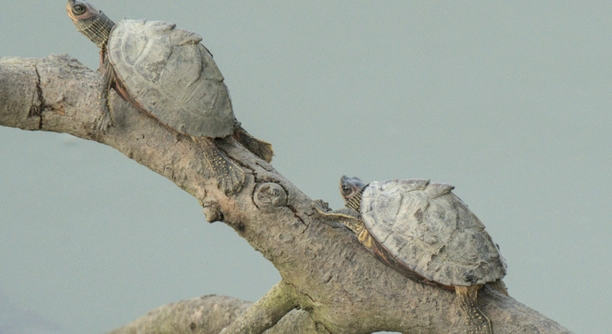
Hibernation is an essential part of an Indian Roofed Tortoise’s life cycle. Preparing for this process ensures their well-being during the colder months. This article covers the necessary steps to help your tortoise through hibernation.
The key to successful hibernation preparation for your Indian Roofed Tortoise involves controlling temperature, ensuring proper hydration, and monitoring their overall health. By following the appropriate steps, you can safely guide your tortoise through this natural process.
Understanding these steps will ensure your tortoise remains healthy and safe throughout the hibernation period.
Preparing the Habitat for Hibernation
Creating the right environment for your Indian Roofed Tortoise to hibernate is crucial. The temperature and humidity levels must be carefully controlled. A cool, dark place is ideal for hibernation. You’ll need to find a spot that maintains a consistent temperature of around 50°F to 60°F. This temperature range allows your tortoise to rest properly without being too warm, which could disrupt their hibernation.
Place a suitable container with bedding, such as hay or shredded newspaper, to ensure comfort. This bedding should be deep enough to allow your tortoise to burrow slightly. Avoid placing your tortoise in an area with too much light or noise, as this could interfere with their hibernation process.
It’s essential to check the habitat regularly to make sure that conditions remain stable. Make adjustments to humidity and temperature as needed to prevent any drastic changes. Monitoring this environment will help ensure your tortoise stays safe while in hibernation.
Preparing Your Tortoise for Hibernation
Before hibernation, your tortoise should be healthy and well-fed. Make sure to allow your tortoise to eat regularly until they are ready for the process. This will help them store enough energy for the duration of hibernation.
It’s important to stop feeding them a few days before hibernation. This allows their digestive system to clear out, reducing the risk of illness. It’s also a good time to ensure they are hydrated, so provide water regularly until the hibernation period begins.
Before you put them in their hibernation environment, make sure they are in a calm and stress-free state. Handling them gently helps avoid unnecessary stress, which could disrupt the hibernation process.
Checking for Health Before Hibernation
Ensure your tortoise is in optimal health before beginning the hibernation process. Check for signs of illness, such as abnormal behavior or lack of appetite, which could indicate underlying health issues. A healthy tortoise is more likely to have a smooth hibernation period.
If you notice any signs of sickness, it’s important to delay hibernation. Consult with a veterinarian to address any concerns before proceeding. Your tortoise should be active, alert, and eating normally before entering hibernation. This ensures they are strong enough to endure the dormant period without complications.
Perform a physical check for dehydration, as this can be a major concern during hibernation. Gently squeeze the skin of your tortoise to check for signs of dehydration. If the skin doesn’t snap back quickly, hydration may be needed. Keep your tortoise hydrated leading up to hibernation.
Properly Timing Hibernation
Timing is crucial when preparing your Indian Roofed Tortoise for hibernation. Hibernation usually occurs when the days become shorter and temperatures drop. Typically, this happens during fall, but be sure to observe your tortoise’s natural behaviors to determine the right moment.
If you’re unsure, it’s better to start the process too early than too late. Wait for your tortoise to show signs of slowing down before beginning. Their reduced activity and lack of appetite are clear indicators that they are ready for hibernation.
Remember that hibernation should last around 2-3 months. Too short a period may disrupt your tortoise’s natural cycle, while too long a hibernation could pose risks to their health. Monitor the temperature of the environment closely during this time to ensure stability.
Monitoring Temperature and Humidity
Maintaining the right temperature and humidity levels is essential for your tortoise’s safe hibernation. Keep the temperature between 50°F and 60°F to prevent them from waking up too early or experiencing stress. Monitor the humidity level to ensure it remains consistent.
Check the temperature daily to avoid fluctuations. Use a thermometer and hygrometer to ensure accurate readings. If the humidity drops too low, consider adding a water dish or misting the area lightly. Consistency is key to keeping your tortoise comfortable throughout hibernation.
Hydration During Hibernation
Hydration is important before and during hibernation. Even though your tortoise won’t be eating during this time, ensure they are properly hydrated beforehand. Provide water regularly leading up to hibernation, but stop offering it once they enter the dormant state.
During hibernation, your tortoise may occasionally wake up to drink, but it’s crucial not to disturb their environment too much. Check for signs of dehydration before hibernation to prevent any issues that could arise during this period. Keeping your tortoise hydrated ensures a smoother hibernation.
Handling and Checking on Your Tortoise
Handling your tortoise during hibernation should be minimal. Only check on them when necessary to ensure the conditions are stable. It’s best to leave them undisturbed to avoid disturbing their sleep cycle.
If you notice any changes in their behavior or physical condition, consult a veterinarian immediately. Make sure the environment remains calm, quiet, and temperature-controlled. Avoid disturbing them unnecessarily to ensure they remain in their hibernation state.
FAQ
How long should my Indian Roofed Tortoise hibernate?
The hibernation period for an Indian Roofed Tortoise typically lasts between 2 to 3 months. This duration allows the tortoise to rest and conserve energy. However, the length of hibernation can vary depending on the environmental conditions and the health of your tortoise. Always ensure that your tortoise is in good health before allowing them to enter hibernation.
What temperature should my tortoise’s hibernation environment be?
The ideal temperature for an Indian Roofed Tortoise’s hibernation environment is between 50°F and 60°F (10°C to 15°C). Too warm of an environment may cause your tortoise to wake prematurely, while too cold could lead to health issues. It’s important to monitor the temperature consistently to keep it within this range.
Can I feed my tortoise during hibernation?
No, you should not feed your tortoise during hibernation. Feeding your tortoise while it is in a dormant state could cause digestive issues and make the hibernation process uncomfortable. It’s best to stop feeding them a few days before the start of hibernation to allow their digestive system to clear out.
How do I prepare my tortoise for hibernation?
To prepare your tortoise for hibernation, ensure they are healthy and eating properly leading up to the hibernation period. You should also gradually reduce their food intake a few days before hibernation to allow their digestive system to clear. Keep them hydrated during this time and create a safe, temperature-controlled environment for them to hibernate in.
How do I know if my tortoise is healthy enough to hibernate?
Your tortoise should be active, eating well, and showing no signs of illness before entering hibernation. If you notice that your tortoise is lethargic, has a poor appetite, or shows any signs of respiratory distress or other health issues, delay hibernation and consult a veterinarian. Healthy tortoises are more likely to have a safe and successful hibernation period.
Can I wake my tortoise up during hibernation?
It’s best not to wake your tortoise up during hibernation unless absolutely necessary. Interrupting their sleep cycle can be stressful and may disrupt their hibernation. If you notice any unusual behavior, such as persistent signs of illness or dehydration, consult a veterinarian. However, avoid unnecessary disturbances.
What signs should I look for if my tortoise is dehydrated during hibernation?
Dehydration can be dangerous for a hibernating tortoise. If your tortoise’s skin doesn’t bounce back when gently pinched, it could be a sign of dehydration. You may also notice dry, flaky skin or sunken eyes. Ensure your tortoise is hydrated before hibernation, and if these signs appear, consult a veterinarian.
Can I hibernate my tortoise outside?
It’s not recommended to hibernate your Indian Roofed Tortoise outside. Outdoor conditions can be too unpredictable and may not provide the stable temperature and humidity required for successful hibernation. A controlled indoor environment is the safest option to ensure your tortoise’s well-being.
What do I do if my tortoise wakes up during hibernation?
If your tortoise wakes up during hibernation, don’t panic. This could be due to environmental factors such as temperature fluctuations or humidity changes. Keep the environment consistent, and if your tortoise remains awake or seems stressed, it may be time to consult a veterinarian for advice.
What should I do if my tortoise doesn’t hibernate?
Some tortoises may not hibernate if the environmental conditions aren’t right or if they are not properly prepared. If your tortoise doesn’t show signs of slowing down or seems too active, ensure that the temperature is low enough and their diet has been properly adjusted. If they continue to be active, it may be necessary to consult a veterinarian.
Final Thoughts
Preparing your Indian Roofed Tortoise for hibernation is an important process that requires careful planning and attention. Before starting, ensure that your tortoise is healthy and ready for this period of dormancy. This means checking for any signs of illness, making sure they are properly hydrated, and monitoring their eating habits. A healthy tortoise will have a better chance of successfully completing hibernation and waking up in good condition.
Temperature control and environmental stability are essential for a successful hibernation. Keeping your tortoise in a cool, dark, and quiet place with temperatures ranging between 50°F and 60°F ensures they can rest without being disturbed. Consistency in temperature and humidity is key to their well-being. Make sure to monitor the conditions regularly to avoid any sudden changes that could wake your tortoise prematurely or put them at risk.
Hibernation can be a difficult process for some owners to manage, but with the right knowledge and environment, it can be done safely. Be patient and allow your tortoise to rest undisturbed. Avoid unnecessary handling or checking on them unless absolutely necessary. The goal is to allow them to complete their hibernation period undisturbed so they can wake up strong and healthy in the spring. By following these steps, you will ensure a smoother transition into hibernation for your Indian Roofed Tortoise.

Hello,
If you enjoy the content that we create, please consider saying a "Thank You!" by leaving a tip.
Every little bit helps us continue crafting quality advice that supports the health, happiness, and well-being of pets around the world, for pets of all shapes, sizes, and species.
We really appreciate the kindness and support that you show us!