
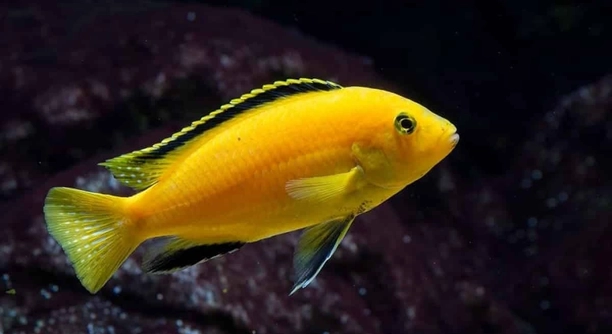
Moving African cichlids can be challenging, as these fish are sensitive to changes in their environment. Proper handling helps reduce their stress and keeps them healthy during relocation. Knowing the right techniques ensures a smoother transition for your aquatic pets.
The key to moving African cichlids without causing stress is to minimize handling time, maintain stable water conditions, and use gentle transfer methods. Keeping the fish in familiar water and avoiding sudden temperature changes helps prevent shock and physical harm.
Following these steps will support your cichlids’ well-being and make the move less stressful for both you and your fish.
Preparing Your Cichlids for the Move
Before moving your African cichlids, it’s important to prepare them properly to reduce stress. Start by gradually reducing feeding a day before the move. This helps prevent digestive issues during transportation. Next, make sure you have clean containers filled with water from their current tank. This familiar water keeps their environment stable and reduces shock. Avoid overcrowding the fish in the containers, as limited space can increase stress. If possible, keep the containers covered and shaded to limit exposure to bright light and sudden movements. Transport the fish in a cool, quiet place to avoid jarring motions. Timing the move during cooler parts of the day also helps maintain stable water temperatures. These steps create a calm setting that protects your cichlids during relocation.
Moving fish without preparation can lead to stress and illness. Proper planning is crucial for their health.
Taking the time to prepare shows your care and attention to your cichlids’ needs. It ensures they arrive safely and ready to adjust to their new home with minimal difficulty.
Handling and Transport Tips
Handle your cichlids with gentle care using soft nets. Avoid squeezing or rough handling, which can cause injuries.
Transport your cichlids in containers that preserve water quality and temperature. Using insulated coolers or foam boxes can help maintain stable conditions during transit. Frequent checks on water temperature and oxygen levels ensure a safe environment. Avoid sudden movements and keep the containers steady. Minimizing transport time reduces stress and risk of injury. If the trip is long, consider adding aeration devices to maintain oxygen levels. Upon arrival, slowly acclimate the fish to the new tank water to prevent shock. Gradual mixing of the transport water with new tank water over 30-60 minutes allows fish to adjust. These careful steps reduce stress and protect your cichlids during each stage of the move.
Acclimating Your Cichlids to Their New Tank
Acclimating your African cichlids properly after the move is essential for their health. Sudden changes in water conditions can cause stress and illness, so take time to adjust them gradually.
Start by floating the sealed transport bag in the new tank for 15–20 minutes to equalize temperatures. Next, slowly add small amounts of the new tank water into the bag every 5 minutes. This helps your fish get used to the new water’s chemistry. Continue this process for 30 to 60 minutes, then gently release the fish into the tank. Avoid pouring transport water into the tank to prevent contamination. Keeping the tank environment stable with regular water testing during this period supports their smooth transition.
Maintain proper tank conditions after acclimation. Monitor water parameters like pH and temperature closely to ensure your cichlids settle in comfortably and avoid stress-related issues.
Monitoring Behavior Post-Move
Observing your African cichlids’ behavior after relocation helps identify any signs of stress or illness early. Look for changes in appetite, swimming patterns, or hiding behavior as these can signal trouble.
If your cichlids appear lethargic or refuse food, this may indicate stress from the move. Check water quality and perform partial water changes if necessary to improve their environment. Ensure filtration and aeration systems are functioning correctly to keep oxygen levels high. Allow your fish some quiet time without disturbances to recover. Keeping a close eye during the first week after the move helps catch issues before they worsen. If symptoms persist, consulting a veterinarian experienced with fish may be necessary. Early intervention improves the chances of a full recovery.
Reducing Stress During Transfer
Keeping the environment calm during transfer is vital. Avoid loud noises and sudden movements around the fish containers to help your cichlids stay relaxed.
Use dark, covered containers when possible. This reduces light exposure and limits visual stress, making the transfer less overwhelming for the fish.
Using Proper Equipment
Choosing the right equipment improves safety during moves. Use soft nets and clean, secure containers that hold water without leaks or spills. Proper lids prevent fish from jumping out.
Oxygen supply is important, especially for long trips. Battery-operated air pumps or oxygen tablets can help maintain oxygen levels inside containers, keeping cichlids healthy throughout transport.
Aftercare Essentials
After moving, ensure the tank has clean, stable water. Regular checks help keep your cichlids comfortable and support quick recovery.
FAQ
How long should I acclimate my African cichlids after moving them?
Acclimation should take between 30 and 60 minutes. Slowly mixing the new tank water with the transport water every 5 to 10 minutes helps your cichlids adjust to temperature and water chemistry changes. This gradual process reduces stress and the risk of shock.
What is the best water temperature for transporting African cichlids?
Aim to keep water temperature stable and close to the tank’s usual temperature, typically between 75°F and 82°F (24°C to 28°C). Sudden temperature changes can shock your fish, so avoid extremes during transport.
Can I feed my cichlids before moving them?
It’s best to avoid feeding your cichlids at least 12 hours before moving. This reduces waste in the transport water and lowers the risk of digestive problems during transit.
Should I change the water before moving my fish?
Yes, perform a partial water change a day before the move to ensure clean water with good parameters. Transport your fish in water from their original tank to keep familiar conditions.
How many fish can I transport in one container?
Avoid overcrowding by limiting the number of fish per container. A general rule is no more than one fish per gallon of water. This reduces stress, aggression, and the risk of injury.
Is it necessary to use air pumps or oxygen tablets during transport?
For short trips, fish can survive in sealed bags with some oxygen. For longer transports over an hour, aeration devices or oxygen tablets are recommended to maintain adequate oxygen levels and keep fish healthy.
How do I reduce stress during the actual transfer?
Keep the environment quiet and calm. Cover containers to reduce light and movement exposure. Handle fish gently with soft nets and avoid quick or rough movements.
What signs show my cichlids are stressed after moving?
Look for rapid breathing, hiding, loss of appetite, or erratic swimming. These signs indicate stress and may require you to check water quality or improve tank conditions.
When should I seek veterinary help for my fish after moving?
If your cichlids show signs of illness such as lethargy, clamped fins, or white spots for more than a few days after the move, consulting a fish veterinarian is important for diagnosis and treatment.
Can I use plastic bags to transport my fish?
Yes, plastic bags filled with tank water and oxygen are commonly used for short moves. Make sure to double-bag for safety and secure the bags to avoid spills.
What should I do if the water temperature fluctuates during transport?
Use insulated containers or coolers to maintain stable temperatures. Transport during cooler times of the day if possible. Avoid exposing bags to direct sunlight or cold drafts.
Is it safe to mix fish from different tanks during the move?
It’s better to keep fish from different tanks separated to prevent stress, aggression, or disease transfer. Use separate containers for each group during transportation.
How soon can I feed my cichlids after moving?
Wait at least 12 to 24 hours before feeding to allow fish to settle in and reduce the chance of digestive upset.
Should I turn off the aquarium lights after moving the fish?
Dimming or turning off the lights for a day can help reduce stress, giving your cichlids a calm environment to adjust.
What equipment is essential for a safe move?
Soft nets, secure containers with lids, insulated transport boxes, and oxygen supplies are key. Clean all equipment before use to prevent contamination.
How often should I check on my fish during transport?
Check the fish gently every 30 minutes if possible. Avoid opening containers too often, as this can disturb the fish and cause temperature fluctuations.
Can moving cause long-term health issues for African cichlids?
If done carefully, moving should not cause long-term problems. However, stress weakens immunity, increasing susceptibility to disease. Proper care before, during, and after transport reduces these risks.
What is the best way to introduce fish into a new tank after moving?
Use a drip acclimation method or slowly mix tank water with transport water before releasing the fish gently. Avoid sudden changes to prevent shock.
How do I keep water parameters stable during the move?
Use water from the original tank, avoid temperature swings with insulated containers, and minimize handling time to keep parameters as stable as possible.
Are there any special considerations for breeding cichlids during transport?
Handle breeding pairs carefully to avoid stress or separation. Keep them in separate containers if needed and maintain stable water conditions to protect eggs or fry.
Moving African cichlids can be a delicate process, but with the right steps, it becomes manageable and safer for the fish. The most important factor is reducing stress at every stage—from preparation, through transport, to acclimation in the new tank. Stress can weaken their immune system, making them more vulnerable to illness. Taking the time to prepare properly, including feeding schedules and water conditions, helps create a smoother transition. It also shows care for the fish’s well-being and helps prevent problems that could arise after the move.
During transport, maintaining stable water temperature and oxygen levels is key. Using proper containers with lids, covering them to reduce light exposure, and avoiding sudden movements can keep the fish calm. The way fish are handled makes a big difference, so gentle nets and careful transfer techniques are recommended. Keeping the containers secure and quiet reduces the risk of injury or shock. Once at the new location, slowly acclimating the cichlids to the new tank water allows them to adjust to any differences gradually. This step is crucial to avoid sudden changes that could harm their health.
After settling the fish into their new environment, it’s important to monitor their behavior and water quality closely. Watch for signs of stress or illness, such as changes in appetite or unusual swimming patterns. Maintaining clean water, consistent temperature, and proper filtration supports their recovery. Giving your cichlids a calm space without disturbances encourages them to adapt more quickly. Overall, careful planning and attention at every stage ensure your African cichlids remain healthy and comfortable during and after the move.

Hello,
If you enjoy the content that we create, please consider saying a "Thank You!" by leaving a tip.
Every little bit helps us continue crafting quality advice that supports the health, happiness, and well-being of pets around the world, for pets of all shapes, sizes, and species.
We really appreciate the kindness and support that you show us!