
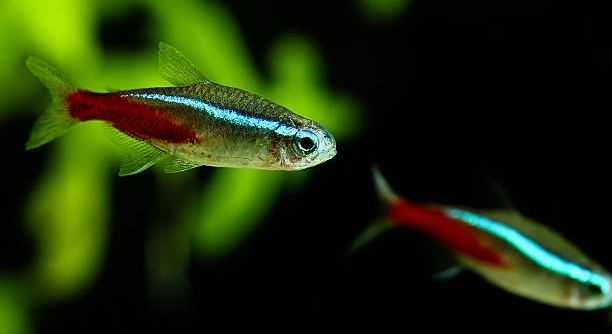
Monitoring the health of your neon tetras is essential to ensure their well-being. These small but vibrant fish thrive in specific conditions. By keeping track of their daily health, you can prevent potential problems and ensure a long, healthy life.
To monitor your neon tetra’s health, observe seven key metrics: activity level, appetite, physical appearance, breathing rate, water quality, social behavior, and tank conditions. Regular checks can detect issues early, allowing for timely intervention and proper care.
Staying on top of these metrics will give you confidence in maintaining a healthy environment for your neon tetras.
Activity Level
Neon tetras are known for their constant swimming and playful behavior. Monitoring their activity level is one of the most effective ways to assess their health. If your tetras start swimming erratically or become unusually lethargic, it may signal a problem. Healthy neon tetras typically remain active throughout the day, swimming in schools and exploring their environment. Lack of movement or hiding often indicates stress or illness. It is essential to observe them regularly to catch any signs early, which can help in making swift adjustments to their care or environment.
Even minor changes in their movement patterns could signal issues. It’s important to note that sudden inactivity may suggest a potential illness or an issue with water quality, such as improper temperature or ammonia levels.
Consistent activity is an indicator that your tetras are thriving. By staying attentive, you’ll catch small signs that prevent bigger problems. Make a habit of observing your fish daily to spot any early health concerns and adjust as needed.
Appetite
Neon tetras are typically eager eaters, and their appetite is a good health indicator.
A lack of appetite can point to stress, water quality issues, or the onset of disease. Keeping track of how much they eat can help you spot problems early. A sudden decrease in feeding habits may require immediate attention, such as adjusting tank conditions or checking for visible symptoms of illness.
Physical Appearance
Check your neon tetras regularly for any signs of physical changes. Their colors should remain vibrant, and their fins should be intact. Any faded colors, frayed fins, or swelling can be early indicators of stress, illness, or poor water conditions. These changes can happen quickly, so it’s important to notice them early.
Small wounds or visible deformities may appear from injuries or parasites. While neon tetras generally have a strong resistance to diseases, maintaining proper water quality can help prevent these problems. Ensure your fish aren’t showing signs of fungal or bacterial infections, which often appear as fuzzy patches on their bodies.
If your neon tetra appears sickly, isolating it from the rest of the tank is crucial. This minimizes the risk of spreading disease to other fish and allows you to give that one extra attention. Monitoring these changes can lead to earlier treatment and prevent bigger issues from arising.
Breathing Rate
A normal breathing rate is crucial for neon tetras to maintain oxygen levels in their bodies.
Watch how quickly their gills move. An increased breathing rate or gasping at the surface could be a sign of low oxygen levels or poor water conditions. If you notice this behavior consistently, check the tank’s oxygenation and adjust the filtration system to improve air circulation.
Stress or high ammonia levels can also cause abnormal breathing. If the water quality is subpar, it can lead to respiratory issues in your tetras. Regularly testing the water for ammonia, nitrate, and nitrite levels will help keep the water balanced and healthy. Keeping these levels in check supports proper breathing and overall fish health.
Water Quality
Water quality is vital for the health of your neon tetras. Regularly test for ammonia, nitrate, nitrite, and pH levels. Poor water quality can cause stress, illness, and even death in fish. Keeping the water clean will help maintain healthy, active tetras.
Perform regular water changes to keep the tank’s environment stable. Make sure to replace about 25% of the water every two weeks. This helps remove toxins and ensures your fish remain in optimal conditions. A good filtration system can also improve water quality by reducing waste buildup.
Healthy water conditions are essential for a thriving tank. If you notice any sudden changes in behavior or appearance, check the water immediately. Making adjustments to the environment can prevent long-term health issues.
Social Behavior
Neon tetras are schooling fish, so they thrive when surrounded by others of their kind.
If your tetras start isolating themselves or showing aggressive behaviors, it may signal stress or illness. A healthy group of neon tetras usually swims together, staying close and interacting with one another. Inadequate tank size or unsuitable tank mates could also lead to behavioral changes.
Tank Conditions
The size of the tank, its layout, and the equipment used all affect the health of your neon tetras.
Keep the tank clean, avoid overcrowding, and ensure the filtration system runs smoothly. Providing plants and hiding spaces helps reduce stress. Check for any signs of damage or malfunction in the equipment.
FAQ
How often should I check my neon tetra’s health?
It’s a good idea to check your neon tetras daily, especially in the morning or after feeding. Observing them during this time helps you spot any changes in behavior, such as lethargy or loss of appetite. Even a quick glance can give you an idea of their overall health. Regularly checking their physical appearance, such as color and fin condition, is essential, too.
What are the signs of stress in neon tetras?
Neon tetras can show signs of stress through a variety of behaviors. If your tetras are swimming erratically, staying hidden, or exhibiting unusual stillness, stress might be the cause. Poor water quality, overcrowding, or aggressive tank mates can lead to stress. Faded colors, frayed fins, or a lack of appetite are also common indicators.
Can neon tetras live alone?
Neon tetras are schooling fish and thrive in groups of at least six. Keeping them alone can cause stress and may shorten their lifespan. When kept with others of their kind, neon tetras feel more secure and display natural social behaviors, which helps them stay healthier and more active.
What temperature is best for neon tetras?
Neon tetras prefer warm water, ideally between 72-78°F (22-25°C). Water outside this range can lead to stress and weaken their immune system, making them more susceptible to diseases. Keeping the water temperature stable is just as important as the ideal temperature range. A reliable heater will help maintain this balance.
How do I know if my neon tetra is sick?
Sick neon tetras often display physical or behavioral changes. Symptoms may include fading color, swollen bodies, or visible lesions. Unusual swimming patterns, such as erratic movement or excessive time near the water surface, can signal illness. Loss of appetite and clamped fins are also signs. Isolating the sick fish and improving water quality can help manage some issues, but medical treatment might be needed for more serious conditions.
How often should I change the water in my neon tetra tank?
Water changes should be done regularly to maintain good water quality. Change about 25% of the tank water every two weeks. In heavily stocked tanks, more frequent changes may be necessary. Always make sure to treat new water with a dechlorinator before adding it to the tank.
What can I feed neon tetras?
Neon tetras are omnivores and will eat a variety of foods. High-quality fish flakes or pellets specifically designed for small tropical fish work well. You can supplement their diet with occasional live or frozen foods, such as brine shrimp or daphnia. Ensure that you provide a balanced diet to keep them healthy.
Can neon tetras live with other fish?
Yes, neon tetras are peaceful and can coexist with other small, non-aggressive fish. They make great tank mates for species like guppies, mollies, and corydoras catfish. However, avoid keeping them with large or aggressive fish, as these could stress out your tetras or harm them. Always research potential tank mates before introducing them.
Why is my neon tetra hiding?
Hiding behavior in neon tetras can be a sign of stress, illness, or poor water quality. If your tetras are hiding more than usual, check the water parameters, especially ammonia, nitrite, and nitrate levels. Overcrowding or aggressive tank mates could also be contributing factors. If hiding continues, it may be time to separate the tetras and address the environmental conditions.
How do I maintain proper water quality for neon tetras?
Proper water quality is essential for neon tetras. Regular water testing should include checking the ammonia, nitrite, nitrate, and pH levels. Use a good filtration system and perform regular water changes. Make sure to clean the tank, vacuum the substrate, and remove any uneaten food to prevent waste buildup.
What should I do if my neon tetra has faded colors?
Faded colors can indicate stress or illness. If your neon tetra’s colors are dull or pale, first check the water quality. Poor water conditions or sudden changes in temperature can cause color loss. If the water parameters are fine, stress or disease could be the cause, and isolating the fish may help.
Can neon tetras survive in tap water?
Neon tetras can survive in tap water, but it must be treated before adding it to the tank. Tap water often contains chlorine, chloramine, and heavy metals, which can be harmful to your fish. Use a water conditioner to remove these chemicals and ensure the water’s pH and hardness are suitable for neon tetras.
How can I tell if my neon tetra has parasites?
Parasites may be visible as small spots on the body or fins. Your tetra may also start rubbing its body against objects in the tank. If you notice these signs, it’s important to isolate the affected fish to prevent the spread of infection. Seek treatment from a veterinarian or use a recommended fish medication.
How do I ensure a safe environment for my neon tetras?
To provide a safe environment, maintain proper water quality by regularly testing and adjusting the pH, ammonia, and nitrate levels. Use a good filter, perform regular water changes, and avoid overcrowding the tank. Provide plenty of plants and hiding spots, as this helps reduce stress and provides your tetras with a natural habitat.
Final Thoughts
Monitoring the health of your neon tetras is essential for maintaining a thriving aquarium. By keeping track of their physical appearance, behavior, and water quality, you can address any potential issues early and prevent more serious problems from arising. Healthy tetras are active, colorful, and social, so noticing any signs of stress or illness early will help you take necessary action. Regular check-ups and water testing will keep your fish in optimal conditions and promote a longer, healthier life.
Consistency is key when it comes to maintaining a healthy tank. Establish a routine for checking on your neon tetras and their environment. This includes daily visual checks, weekly water testing, and regular water changes. Keeping the tank clean and providing a stable environment will help your neon tetras feel secure and reduce stress. If you notice any abnormalities, take action immediately, whether it’s adjusting water conditions, improving the tank layout, or isolating a sick fish. Preventing issues is always better than reacting to them after they’ve become serious.
In the end, the goal is to create an environment where your neon tetras can thrive. Ensuring they have proper care and a well-maintained tank will keep them active and healthy. By staying attentive and knowledgeable about their needs, you can enjoy the beauty of these vibrant fish for years to come. Remember that small adjustments, like monitoring their diet or adjusting water parameters, can make a big difference in their overall well-being. Keeping your neon tetras happy and healthy will ensure they remain a lively and colorful addition to your aquarium.

Hello,
If you enjoy the content that we create, please consider saying a "Thank You!" by leaving a tip.
Every little bit helps us continue crafting quality advice that supports the health, happiness, and well-being of pets around the world, for pets of all shapes, sizes, and species.
We really appreciate the kindness and support that you show us!