
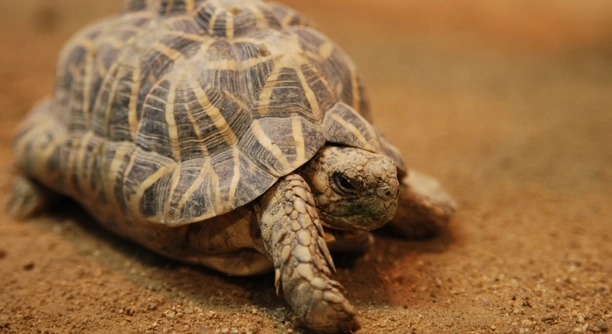
Indian Star Tortoises are unique and beautiful reptiles that require special care. Their health can sometimes be tricky to maintain, but with the right knowledge, you can keep them happy and thriving.
Monitoring the health of your Indian Star Tortoise is essential for their well-being. Regular checkups, proper diet, and a suitable environment can prevent many common issues and promote a longer, healthier life.
Taking the right steps early on can make a big difference in their quality of life. By following simple tips, you’ll ensure your tortoise stays healthy and strong for years.
Creating a Proper Habitat for Your Indian Star Tortoise
A proper habitat is one of the most important factors in keeping your Indian Star Tortoise healthy. They thrive in warm, dry conditions, similar to their natural environment in India. Set up an enclosure with a heat source, like a basking light, to ensure they can regulate their body temperature. A space with plenty of room to move around is essential. The enclosure should also have a hiding spot, as they enjoy having a place to retreat when they feel stressed or need rest.
In addition, you’ll need to use the right bedding. A mix of coconut husk, sand, and soil can mimic the conditions they would find in the wild. Make sure the enclosure is secure, so your tortoise cannot escape. They’re surprisingly good at climbing, and you don’t want them wandering off.
Proper humidity is important for your tortoise as well. While they need dry areas, a small humid spot within their enclosure helps with shedding and overall health. Regular cleaning of the enclosure is vital to prevent bacteria buildup, which can cause health issues.
Providing the Right Diet
Feeding your Indian Star Tortoise the right food is essential for keeping them healthy. They are herbivores, so their diet should mostly consist of leafy greens, grasses, and flowers.
Offer a variety of fresh vegetables, such as dandelion greens, clover, and lettuce. Avoid feeding them too much fruit, as it can cause digestive issues. Also, be sure to provide a calcium supplement to support their shell and bone health. Calcium is vital for maintaining strong bones and shells.
Regular Health Checkups
Regular health checkups are crucial for catching potential problems early. Even if your tortoise seems healthy, a vet experienced with reptiles can help spot subtle issues that you might miss.
Checkups can also give you a better understanding of your tortoise’s specific needs. Your vet can offer advice on diet, habitat, and behavior. It’s important to establish a routine for these visits. The more often you check in, the more likely you are to spot issues like respiratory infections or shell damage before they become serious.
Additionally, during the checkup, the vet can look at your tortoise’s weight and ensure that they are not under or overweight. Obesity is a common problem in tortoises and can lead to other health complications. Ensuring their weight stays within a healthy range is vital for their overall well-being.
Proper Lighting and UVB Exposure
Proper lighting is essential for your tortoise’s health, especially for their shell and bone development. UVB light helps them process calcium and prevent metabolic bone disease.
Set up a UVB light that mimics natural sunlight. Ensure the light is not too far from the tortoise, but not too close either, as it can cause burns. They need exposure for around 10 to 12 hours a day. A good UVB light source is a must if they don’t get natural sunlight.
Without the right UVB exposure, your tortoise may become lethargic and show signs of weakness or a soft shell. This can lead to long-term health problems. Proper lighting is key to maintaining a healthy tortoise, especially if they spend most of their time indoors.
Hydration is Key
Keeping your Indian Star Tortoise hydrated is crucial for its overall health. Dehydration can lead to digestive problems and affect their skin and shell.
Provide fresh water daily in a shallow dish, making sure it’s easily accessible. You can also lightly mist the enclosure, especially during warmer months, to help with hydration.
Regularly check the water for cleanliness, as stale or dirty water can cause infections or skin irritations. Keeping their hydration levels stable will help prevent issues like constipation and urinary tract infections. It’s a simple but vital aspect of their care.
Proper Shell Care
The health of your tortoise’s shell should not be overlooked. Regularly check for signs of damage, cracks, or signs of infection.
If your tortoise’s shell is dirty, gently clean it using a soft brush and water. Avoid using harsh chemicals or scrubbing too hard, as it can irritate their skin. Make sure their habitat is free from sharp objects that could cause injury.
Proper care will ensure your tortoise’s shell stays strong and intact. If you notice anything unusual, like soft spots or discolored areas, consult a vet immediately for advice.
Temperature Regulation
Maintaining the right temperature in your tortoise’s habitat is vital. Too high or too low temperatures can stress them out or lead to health issues.
Ensure that your enclosure has a heat source to provide a basking area around 90°F (32°C) and a cooler zone around 75°F (24°C). This temperature gradient allows your tortoise to regulate its body heat.
FAQ
How often should I feed my Indian Star Tortoise?
Feeding your Indian Star Tortoise every day or every other day is ideal. Their diet should mainly consist of leafy greens and grasses, but you can offer them a variety of vegetables and some flowers. You may also feed them smaller amounts of fruit occasionally, but too much fruit can cause digestive problems. Ensure they have access to fresh food daily and always remove any uneaten food to prevent mold growth.
What is the best substrate for my Indian Star Tortoise’s enclosure?
A combination of coconut husk, sand, and soil is great for creating a suitable substrate. This mixture is easy to clean, holds moisture, and mimics their natural environment. It also helps with humidity control, which is important for their health. Avoid using cedar or pine wood chips, as they can release harmful oils that could cause respiratory problems.
Can I let my Indian Star Tortoise roam freely around the house?
It’s not recommended to let your Indian Star Tortoise roam freely inside the house. Tortoises can easily get into dangerous situations, like falling off high surfaces, eating something harmful, or escaping unnoticed. If you want them to explore, you can create a secure, supervised play area with a safe floor surface, but always keep an eye on them.
How long do Indian Star Tortoises live?
Indian Star Tortoises can live up to 50 years or more when given proper care. Their lifespan can be significantly impacted by the environment and diet, so maintaining their habitat and providing a balanced diet will ensure they live a long, healthy life. The better you take care of them, the longer they will thrive.
What is the ideal humidity level for an Indian Star Tortoise?
Indian Star Tortoises need a relatively dry environment but should also have access to areas with slightly higher humidity. The humidity should range between 40% and 60%. In their enclosure, create both dry and slightly humid areas. A shallow water dish and misting once in a while can help maintain the right balance.
How can I prevent shell rot in my Indian Star Tortoise?
To prevent shell rot, it’s important to maintain a clean, dry environment and monitor their shell regularly. Avoid excessive moisture in their habitat, as damp conditions can promote bacterial growth. If your tortoise’s shell gets too dirty, gently clean it with a soft brush and warm water. If you notice any soft spots or discoloration on their shell, consult a vet immediately.
Should I bathe my Indian Star Tortoise?
Bathing your tortoise occasionally is a good way to ensure they stay hydrated. You can soak them in shallow, lukewarm water for 15 to 20 minutes every few weeks. This helps with hydration, particularly if they’re not drinking enough on their own. Always supervise them during their bath to ensure they don’t drown or get too cold.
Can I house multiple Indian Star Tortoises together?
While it’s possible to house more than one Indian Star Tortoise together, it’s not always ideal. Tortoises are solitary creatures and may become aggressive towards each other, especially if space is limited. If you decide to house more than one, make sure their enclosure is large enough to accommodate each tortoise and provide hiding spots for them to retreat to. Always monitor their behavior to ensure they’re not fighting.
What should I do if my Indian Star Tortoise stops eating?
If your tortoise stops eating, it could be a sign of stress, illness, or an improper environment. Check the temperature and humidity levels in their enclosure, and make sure they’re getting enough UVB light. If the conditions seem right and they still won’t eat, it’s time to visit a vet for a checkup.
Why is my Indian Star Tortoise’s shell becoming soft?
A soft shell can be a sign of calcium deficiency, metabolic bone disease, or lack of proper UVB light. Make sure your tortoise has access to calcium supplements and plenty of UVB exposure. If the problem persists, seek veterinary help immediately, as it can lead to long-term health problems.
Final Thoughts
Taking care of an Indian Star Tortoise requires attention to detail and a commitment to creating the right environment for them to thrive. They may not be as high maintenance as some other pets, but they still need a proper diet, habitat, and care to stay healthy. Their long lifespan means that you’ll be looking after them for many years, and understanding their needs from the start will make this experience much easier.
Providing the right food, lighting, and temperature are key factors in keeping your tortoise happy. A proper habitat, with enough space and areas to hide or bask, is essential for them to feel secure. Regularly checking their health and shell is equally important to make sure there are no issues. If problems arise, early detection is critical, and a vet with reptile experience can help guide you through solutions. Taking these steps will help your tortoise lead a healthy and comfortable life.
Remember, it’s not just about meeting basic needs; it’s about making sure your tortoise feels safe, comfortable, and content in its environment. While their care might seem overwhelming at first, as you get used to their habits, it will become easier. When you give your Indian Star Tortoise the right care, you’ll enjoy the satisfaction of knowing they are healthy and happy.

Hello,
If you enjoy the content that we create, please consider saying a "Thank You!" by leaving a tip.
Every little bit helps us continue crafting quality advice that supports the health, happiness, and well-being of pets around the world, for pets of all shapes, sizes, and species.
We really appreciate the kindness and support that you show us!