
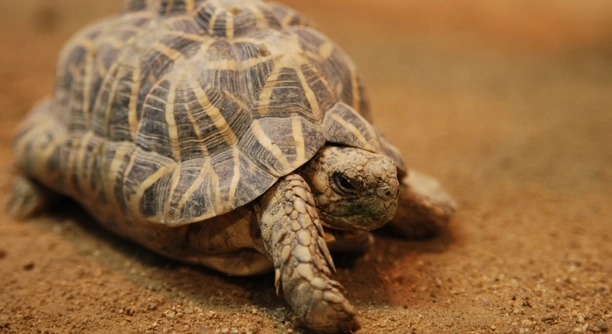
Measuring the growth of your Indian Star Tortoise is an essential task for keeping track of its health. Growth can reveal a lot about how well your tortoise is adjusting to its environment and diet.
The growth of your Indian Star Tortoise can be measured through regular monitoring of its size, weight, and shell condition. This provides a clear indication of its development and overall health, which is crucial for proper care and management.
Regular checks and observations will help you spot any signs of irregular growth. This knowledge is essential for maintaining the well-being of your tortoise and ensuring it thrives in its habitat.
Key Factors Affecting the Growth of Your Indian Star Tortoise
Several factors contribute to the growth rate of your Indian Star Tortoise. A good environment, balanced diet, and regular care are essential. A tortoise’s growth can be significantly influenced by its living conditions, such as temperature, humidity, and space. A proper diet, rich in fiber, vitamins, and minerals, plays a major role in healthy development. Sunlight exposure is also crucial, as UVB rays help in the production of Vitamin D3, which is vital for calcium absorption. If the environment is too cold or too hot, it can stunt growth. Similarly, poor nutrition can cause growth to slow down or lead to deformities in the shell. By ensuring that these factors are balanced, you can help your tortoise grow at a healthy pace.
Nutrition is the foundation for a healthy tortoise. Without proper food and care, growth will be affected, making it harder for the tortoise to thrive.
To feed your tortoise properly, you should include leafy greens like dandelion, hibiscus, and collard greens in its diet. Offering occasional fruits, such as papaya or melon, can be a treat, but they should not be the main diet. It’s also vital to provide calcium supplements, as a lack of calcium can affect shell growth. For water, always make sure it’s fresh and clean, and make sure to hydrate your tortoise daily to maintain its overall health. A proper diet not only affects growth but also prevents shell deformities and other health problems.
Measuring Growth Progress
One of the easiest ways to track your tortoise’s growth is by measuring its shell. You can use a simple ruler or caliper to measure the length and width of its shell regularly. This will help you gauge the rate at which your tortoise is growing and detect any slowdowns.
To measure, use the carapace (top part of the shell), from the front (nuchal scute) to the back (pygal scute). Record the measurements every few weeks. This will give you a clear understanding of the growth pattern over time. Keep in mind that growth may vary depending on the age and health of the tortoise, with younger tortoises typically growing faster than older ones. Regular measurement will also alert you to potential issues early on, such as underdevelopment, which may require attention to diet or habitat. Regular monitoring helps you stay on top of your tortoise’s health and growth.
Observing Shell Condition for Growth
The condition of your tortoise’s shell is another key indicator of growth. A smooth, healthy shell reflects good nutrition and proper care. If you notice cracks or deformities, it may suggest that something is off with its growth process.
A smooth, shiny shell typically indicates that your tortoise is getting the right nutrients and exposure to sunlight. On the other hand, a rough or discolored shell can signal issues like poor diet, lack of UVB light, or dehydration. Regularly check for any soft spots or areas that look unusual. If you find any, it’s important to address the underlying cause quickly. Sometimes, shell problems can also occur from an unhealthy environment or stress. By monitoring your tortoise’s shell closely, you can prevent long-term issues that affect growth.
Ensure your tortoise has a balanced diet and sufficient access to UVB lighting. Over time, you will notice that a well-cared-for tortoise shows steady, healthy growth, marked by a strong and smooth shell.
Providing the Right Habitat for Growth
A comfortable and safe habitat is essential for growth. Too much stress, poor humidity, or inadequate temperature can disrupt the growth process. The right habitat supports healthy development and helps your tortoise thrive.
It’s important to maintain a stable temperature range in your tortoise’s enclosure, generally between 80°F and 90°F during the day. Nighttime temperatures can drop to around 70°F. Consistent humidity, especially for younger tortoises, also helps maintain healthy skin and shell development. If the habitat fluctuates too much, your tortoise might experience stress, leading to stunted growth. An appropriate-sized enclosure ensures the tortoise has enough space to roam and exercise, which is essential for overall health. Setting up the enclosure with a temperature gradient gives your tortoise the ability to choose its preferred climate. You should also include hiding spots and areas where the tortoise can bask in full sunlight or UVB light.
If your tortoise seems lethargic or isn’t growing as expected, take a close look at its environment. Sometimes minor adjustments can make a big difference in encouraging healthy growth.
Tracking Weight for Growth
Weight is another reliable measure of your tortoise’s growth. A steady increase in weight over time is a positive sign of healthy development. Regular weighing helps spot potential health concerns early.
Weighing your tortoise once a month can provide insight into its growth. Use a digital scale that’s accurate for small weights. Record the weight each time you check, and track any fluctuations. If your tortoise gains weight steadily, it’s likely thriving. On the other hand, sudden weight loss or failure to gain weight might point to diet, hydration, or health issues.
Adjusting Diet for Proper Growth
Sometimes, adjusting your tortoise’s diet can help improve growth. If growth seems slow, it might be due to a nutrient imbalance or improper food choices.
If your tortoise isn’t growing as expected, consider adding more calcium-rich foods to its diet. Offering a variety of greens like kale, parsley, and clover can also help. Occasionally adding flowers like dandelions can be beneficial. Ensure your tortoise gets enough fiber, as this is important for its digestive health and growth. Keep a close eye on how your tortoise responds to dietary changes, making adjustments as needed.
The Role of Exercise in Growth
Exercise is just as important as diet when it comes to growth. Tortoises need space to move, stretch, and explore.
Regular exercise helps maintain strong muscles and bones, supporting healthy shell development. A tortoise that’s allowed to roam in a safe, spacious area will have better growth than one kept in a small, confined space. Make sure your tortoise has room to walk around and explore freely. This helps mimic the natural environment and promotes physical activity that benefits overall health.
FAQ
How fast do Indian Star Tortoises grow?
The growth rate of an Indian Star Tortoise varies depending on several factors, including age, diet, environment, and health. On average, they grow about 2 to 3 inches in the first few years of life. After that, their growth slows down. In the wild, their growth can be slower compared to those kept in a controlled environment with proper care. Ensuring that your tortoise has enough space, a balanced diet, and proper sunlight will help it reach its full growth potential.
What should I feed my Indian Star Tortoise to help it grow?
A healthy diet is key to promoting growth. Your Indian Star Tortoise should be fed a variety of leafy greens such as dandelion, hibiscus, collard greens, and clover. You can also offer occasional flowers, fruits, and vegetables like melons, apples, and bell peppers. It’s important to provide high-fiber foods while limiting high-protein and high-fat offerings. A calcium supplement is necessary to support healthy shell and bone development. Make sure the food you offer is fresh and free from pesticides. Regular hydration is equally important for growth and overall health.
How can I tell if my tortoise is growing properly?
You can monitor your tortoise’s growth by regularly measuring its shell length and weighing it. Healthy growth will show as steady increases in size and weight. Keep an eye on its shell, as a smooth, shiny surface typically signals good growth. If you notice any issues like a rough or deformed shell, slow growth, or weight loss, it might indicate problems with diet, lighting, or habitat. Regularly tracking these factors will help you notice any inconsistencies early on.
Can I speed up the growth of my tortoise?
While you cannot force a tortoise to grow faster, you can optimize its environment to support healthy growth. Ensure the habitat is appropriate with the right temperature, humidity, and UVB lighting. A varied and nutritious diet, along with enough space for movement, will help the tortoise reach its growth potential. Avoid overcrowding the enclosure or making drastic changes to its diet, as this could cause stress, which can negatively affect growth. Healthy growth takes time, so it’s important to be patient and consistent.
Why is my tortoise not growing?
Several factors can contribute to slow or stunted growth in Indian Star Tortoises. One common reason is improper diet, such as a lack of calcium or fiber. Insufficient UVB exposure can also affect their ability to process calcium properly, leading to slow growth. Temperature and humidity levels in the enclosure are other important factors. If the habitat is too cold or too humid, your tortoise may not grow as expected. Stress from environmental changes or improper handling could also play a role. It’s important to evaluate all aspects of your tortoise’s care to identify potential issues.
What are the signs of an unhealthy tortoise?
An unhealthy tortoise may show signs like loss of appetite, lethargy, a deformed or soft shell, and weight loss. You may also notice discolored or flaky skin, respiratory issues, or difficulty moving. If your tortoise is not eating or drinking regularly, or if it appears weak, it’s essential to take action. Poor growth or a lack of weight gain can also signal underlying health problems. Always address any signs of illness early, as early intervention can make a significant difference in your tortoise’s recovery.
How do I maintain proper humidity and temperature in the enclosure?
Maintaining the right temperature and humidity is vital for your tortoise’s growth. The enclosure should have a warm side (80-90°F) and a cooler side (70-75°F). You can use heat lamps or ceramic heaters to achieve these temperatures. At night, the temperature can drop slightly, but should not fall below 70°F. Humidity should be kept around 50-60%. You can monitor humidity levels using a hygrometer. If the air is too dry, consider adding a shallow water dish, or misting the enclosure occasionally to maintain proper humidity. A stable environment will help keep your tortoise healthy and growing.
What is the best way to measure my tortoise’s shell?
To measure your tortoise’s shell, use a soft tape measure or a ruler. Measure the carapace (top part of the shell) from the front (nuchal scute) to the back (pygal scute). For an accurate measurement, make sure the tortoise is resting flat and not moving around. Keep track of the measurements over time to monitor its growth. Regular measurement will help you spot any growth patterns or irregularities. You can also weigh your tortoise using a small digital scale to track weight gain.
Do I need to provide calcium supplements for my tortoise?
Yes, calcium supplements are necessary for your tortoise, especially for supporting proper shell and bone growth. A lack of calcium can lead to deformities, soft shells, and other health problems. You can provide calcium through supplements, which are often available in powder form, or by offering calcium-rich foods like leafy greens. Ensure that your tortoise is also getting enough UVB exposure, as this helps with calcium absorption. If you’re unsure about the correct amount of calcium to provide, consult with a veterinarian familiar with reptiles.
How often should I take my tortoise to the vet?
It’s a good idea to take your tortoise to the vet for a check-up at least once a year. A professional can help identify any health issues early and provide guidance on diet, habitat, and general care. If you notice any signs of illness or abnormal growth, take your tortoise to the vet immediately for an evaluation. Regular check-ups can help ensure that your tortoise is growing properly and staying healthy in the long term.
Final Thoughts
Tracking the growth of your Indian Star Tortoise is a crucial part of caring for it. Regularly measuring its shell and weight, along with observing its shell condition and overall health, will give you a clear picture of its development. By monitoring these factors, you can ensure that your tortoise is growing at a healthy rate and quickly address any concerns that may arise. A steady, consistent growth pattern is the result of good care, which includes providing a proper diet, a suitable habitat, and enough space to roam.
A balanced diet is essential for your tortoise’s growth. Leafy greens, fiber-rich plants, and occasional fruits are all necessary to support its development. Calcium supplementation, especially for young tortoises, plays a key role in shell and bone strength. Be sure to provide fresh water daily, as hydration is just as important for growth. A lack of proper nutrition can stunt your tortoise’s growth and lead to health issues. Ensuring that your tortoise’s diet is rich in nutrients and calcium will promote strong growth and a healthy shell.
Lastly, maintaining the right environment is just as important as a good diet. A stable temperature range, appropriate humidity, and access to UVB lighting are necessary for healthy growth. Without these conditions, your tortoise may not grow as expected. Stress from improper living conditions can also affect its development. Providing your tortoise with a comfortable, safe habitat where it can explore and bask will support its overall well-being. A well-cared-for tortoise will grow steadily, showing a healthy, smooth shell and strong body.

Hello,
If you enjoy the content that we create, please consider saying a "Thank You!" by leaving a tip.
Every little bit helps us continue crafting quality advice that supports the health, happiness, and well-being of pets around the world, for pets of all shapes, sizes, and species.
We really appreciate the kindness and support that you show us!