
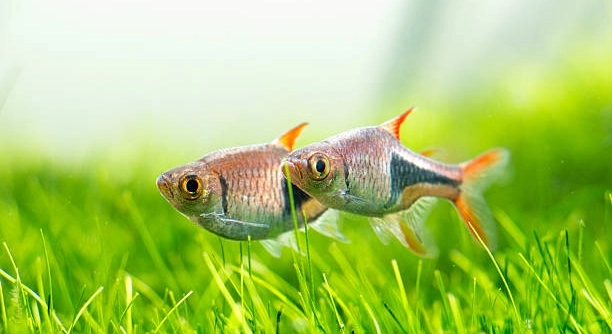
Creating a natural-looking rasbora tank can bring calmness and beauty to any space. Many aquarists enjoy the vibrant movement of rasboras but struggle to design an environment that feels organic and balanced.
The most effective way to achieve a natural appearance in a rasbora tank is by combining live plants, varied substrate, and strategically placed decorations. Arranging elements to mimic a riverbed or pond ecosystem encourages natural fish behavior and visual appeal.
Learning how to arrange your tank correctly will help your fish feel comfortable and enhance the overall aesthetic for any viewer.
Choosing the Right Plants for Your Rasbora Tank
Selecting the proper plants is key to creating a natural habitat. Rasboras feel more secure when they have hiding spots and shaded areas. Floating plants provide gentle cover, while rooted plants offer shelter at the bottom. Hardy species like Java fern, Anubias, and crypts are excellent choices because they grow slowly, require minimal maintenance, and can thrive in moderate lighting. Mixing tall and short plants adds depth and mimics natural environments. Arranging them in clusters rather than straight lines makes the layout look organic. Consider plants that tolerate the same water parameters as rasboras. Soft leaves reduce the risk of injury while the fish swim actively. Seasonal trimming keeps plants healthy and prevents overcrowding, which can stress the fish. Adding a few fast-growing stem plants can balance the ecosystem by absorbing excess nutrients. Overall, thoughtful plant selection creates a peaceful, visually appealing tank.
Plant choice impacts both aesthetics and fish comfort. Dense plants make rasboras feel secure and encourage natural swimming patterns.
Regularly monitoring plant growth and replacing decaying leaves ensures the tank remains healthy. Rotating plants occasionally can refresh the layout, prevent algae buildup, and maintain water quality. Choosing complementary colors and textures creates visual interest while supporting a balanced environment. Combining rooted and floating plants provides layers of shelter and natural filtration. Proper plant placement ensures open swimming areas, which rasboras need for schooling. Overcrowding should be avoided to maintain oxygen flow and prevent stress.
Arranging Rocks and Substrate Naturally
Using rocks and substrate correctly adds realism and stability to the tank. Smooth stones, driftwood, and natural sand or fine gravel help mimic riverbeds.
The arrangement of rocks and substrate should resemble natural formations. Create small slopes, caves, or crevices for hiding spots while leaving open swimming areas. Varying stone sizes adds texture and breaks monotony. Driftwood not only serves as decoration but also provides surfaces for beneficial bacteria growth, improving water quality. Combining dark substrates with lighter rocks enhances contrast and highlights the fish’s colors. Layering substrate with different depths creates dimension and prevents flat, unnatural appearances. Avoid sharp edges that may injure fish while swimming or resting. Strategically placing rocks near plants helps anchor roots and prevent floating. Regular cleaning and occasional rearrangement prevent debris buildup, keeping the tank visually appealing and healthy. Thoughtful substrate and rock placement creates a natural environment that supports both aesthetics and fish well-being.
A natural substrate and rock layout encourage natural behavior and make the tank more dynamic.
By designing gentle slopes, clusters, and open swimming areas, you replicate the movement and flow of natural habitats. Rocks, wood, and gravel act together to create boundaries and shelter while leaving space for schooling. Paying attention to colors and textures enhances depth perception and highlights the fish. Layered substrate allows for plant growth and prevents monotony. Driftwood and stones foster bacterial colonies that aid filtration. Regular checks prevent debris accumulation and help maintain a clean, vibrant environment. Small adjustments over time can refresh the tank without disrupting the fish. Creating this balance between decoration and open areas ensures a healthy, lively, and natural-looking aquarium.
Lighting and Water Conditions
Proper lighting supports plant growth and keeps rasboras healthy. Moderate, consistent light prevents algae overgrowth while simulating natural day-night cycles for the fish.
Rasboras thrive in soft, diffused light rather than intense brightness. Using LED or fluorescent lights with timers ensures a steady schedule. Light also encourages plants to grow upright and maintain their color. Avoid direct sunlight, which can cause temperature fluctuations and excessive algae. Observing plant response helps determine if adjustments are needed. Consistent water temperature, between 24°C and 28°C, is essential. Regular water testing for pH, ammonia, and nitrate levels maintains a safe environment. Slightly acidic to neutral water conditions mimic natural habitats. Proper water flow ensures oxygen distribution and prevents stagnant areas. Together, lighting and water management create a stable, comfortable tank environment for both fish and plants.
Adjusting light duration gradually helps fish acclimate without stress. Too long or too bright lighting may cause erratic behavior or plant damage.
Maintaining stable water parameters requires weekly partial water changes, typically 20-30%, to remove waste and replenish minerals. Using a gentle filter helps maintain clarity without creating strong currents that stress schooling rasboras. Matching water hardness to natural conditions enhances fish health and plant growth. Submersible heaters with thermostats keep temperature stable, especially during seasonal changes. Avoid sudden fluctuations, as rasboras are sensitive to rapid changes in temperature or pH. Checking lighting spectrum ensures plants receive necessary wavelengths for photosynthesis, supporting vibrant leaves and preventing yellowing. Combining these practices results in a balanced, thriving aquatic ecosystem. Regular observation allows timely corrections, keeping both fish and plants comfortable and healthy.
Arranging Decorations for a Natural Feel
Adding decorations like driftwood or small caves enhances the tank’s natural look. Position them to create hiding spots and pathways without overcrowding.
Decorations should complement plants and substrate, creating a cohesive environment. Rounded stones, driftwood branches, or hollow ornaments offer shelter while maintaining open swimming areas. Avoid sharp or synthetic-looking pieces that can appear out of place. Position taller items near the back and shorter ones in front to create depth. Combining natural colors like browns, greens, and grays improves visual harmony. Decorations also help define territories, reducing stress in schooling rasboras. Using lightweight, stable objects prevents accidental shifts that could harm fish. Anchoring driftwood or rocks properly ensures stability while providing surfaces for biofilm and algae growth. Varying textures between smooth stones and rough wood adds visual interest.
Proper decoration placement encourages natural exploration and provides resting areas. Rasboras feel secure when paths and hiding spots are thoughtfully arranged.
Spacing decorations to maintain balance between open swimming areas and shelter supports active schooling behavior. Grouping objects in clusters rather than linear arrangements prevents a rigid appearance. Hollow ornaments or small caves give timid fish a safe retreat while maintaining visibility. Decorations should integrate with plants and substrate, creating a seamless, natural scene. Periodically inspecting for loose pieces ensures safety and prevents damage. Using materials that do not leach chemicals maintains water quality. Selecting items that mimic natural textures and colors enhances the overall aesthetic. By carefully arranging decorations, the tank becomes visually appealing, functional, and comfortable for all inhabitants.
Maintaining Clean Water
Regular water changes are essential for a healthy tank. Removing debris and replacing a portion of the water keeps conditions stable.
Cleaning the substrate with a siphon prevents waste buildup. Checking filter media ensures proper functioning and avoids clogging, keeping water clear and safe for rasboras.
Encouraging Natural Behavior
Providing enough open space and hiding spots allows rasboras to swim freely and interact naturally. Grouping them in small schools reduces stress and encourages schooling behavior. Proper plant density gives them shelter while allowing visibility.
Feeding and Nutrition
Offering a varied diet of flakes, pellets, and occasional live food ensures balanced nutrition. Feeding small portions multiple times a day prevents overfeeding and keeps the tank clean.
FAQ
How often should I change the water in my rasbora tank?
Water changes should be done weekly, replacing about 20-30% of the tank’s water each time. This helps remove accumulated waste, excess nutrients, and keeps the water parameters stable. Avoid changing too much water at once, as sudden shifts can stress the fish. Monitoring water quality after changes ensures the environment stays safe.
What plants are best for a natural rasbora tank?
Hardy, low-maintenance plants like Java fern, Anubias, crypts, and floating plants work well. They tolerate moderate light, grow slowly, and provide hiding spots for fish. Mixing tall and short species creates depth, while planting in clusters mimics natural habitats and keeps the layout visually interesting.
Can I use artificial plants instead of live plants?
Artificial plants are acceptable for decoration but do not provide the benefits of live plants. Live plants improve water quality by absorbing excess nutrients, offer natural shelter, and encourage healthier fish behavior. Using artificial plants should be balanced with real elements for a more natural feel.
How much should I feed my rasboras?
Feed small portions two to three times a day, only what the fish can consume within a few minutes. Overfeeding leads to leftover food, which decays and affects water quality. A mix of flakes, pellets, and occasional live or frozen foods ensures balanced nutrition.
How can I prevent algae growth?
Controlling light duration, maintaining water quality, and avoiding overfeeding helps reduce algae. Including fast-growing plants can outcompete algae for nutrients. Cleaning surfaces, decorations, and the tank glass regularly also prevents buildup, keeping the tank visually appealing and healthy.
Do rasboras need hiding spots?
Yes, hiding spots are essential for rasboras to feel secure. Dense plants, driftwood, and small caves allow fish to retreat when stressed. Proper hiding places reduce aggression, improve schooling behavior, and support natural swimming patterns, contributing to overall well-being.
What temperature is best for a rasbora tank?
Rasboras thrive in water between 24°C and 28°C. Maintaining a stable temperature with a heater and thermometer ensures comfort and prevents stress. Sudden changes in temperature can weaken immunity and affect behavior, so gradual adjustments are important.
How do I arrange decorations for a natural look?
Position taller items at the back and smaller items in front to create depth. Use driftwood, stones, and caves in clusters rather than straight lines. Ensure open swimming areas remain while providing shelter. Combining textures and colors that mimic natural environments improves aesthetics and supports fish behavior.
Can I keep rasboras with other fish?
Rasboras are peaceful and do well with other small, non-aggressive species. Avoid larger or territorial fish that may bully them. Proper tank size, hiding spots, and maintaining school size of at least six helps reduce stress when mixed with other species.
How often should I trim plants?
Trim plants as needed to prevent overcrowding and maintain healthy growth. Removing dead or decaying leaves prevents water quality issues. Light pruning encourages bushier growth and keeps the tank looking neat, while supporting fish movement and open swimming areas.
Is substrate important for a natural tank?
Yes, substrate provides support for plants and creates a natural look. Fine gravel or sand works well, allowing plant roots to anchor and fish to explore. Varying substrate depth adds dimension, while occasional cleaning prevents debris buildup and maintains healthy conditions.
How do I maintain water quality?
Regular testing for pH, ammonia, nitrites, and nitrates is essential. Weekly partial water changes, proper filtration, and avoiding overfeeding help maintain stable parameters. Using live plants and maintaining appropriate stocking levels also supports a balanced ecosystem.
What lighting is best for rasboras and plants?
Moderate, consistent light that simulates natural day-night cycles is ideal. LED or fluorescent lights with timers work well. Avoid intense lighting, which can stress fish and encourage algae growth. Observing plant health can guide adjustments to duration or intensity.
How do I encourage natural schooling behavior?
Keep rasboras in groups of at least six to promote schooling. Open swimming areas and scattered hiding spots support movement and reduce stress. Proper tank layout, consistent feeding, and stable water conditions encourage active, natural behavior.
Can I use rocks and driftwood for decoration?
Yes, smooth rocks and driftwood are excellent for creating natural hiding spots and visual interest. Avoid sharp edges to prevent injury. Anchoring pieces securely prevents shifting, while combining textures and sizes enhances the tank’s realistic appearance.
How do I prevent stress in rasboras?
Maintaining stable water conditions, providing hiding spots, keeping appropriate school sizes, and avoiding aggressive tankmates reduces stress. Gentle water flow and consistent feeding schedules also support a calm environment. Observing fish behavior helps identify and address stressors promptly.
How often should I clean the filter?
Check and clean filter media every 2-4 weeks depending on tank size and bio-load. Rinse in old tank water to preserve beneficial bacteria. Regular maintenance ensures proper filtration, water clarity, and a healthy habitat for rasboras.
Are rasboras sensitive to water parameters?
Yes, rasboras prefer slightly acidic to neutral pH, stable temperature, and low ammonia levels. Sudden fluctuations can cause stress, illness, or unusual behavior. Consistent monitoring and gradual adjustments help maintain a safe, comfortable environment.
Can I use fertilizers in a planted tank?
Yes, liquid or substrate fertilizers can support plant growth if used correctly. Avoid overfertilization, which can cause algae problems. Following dosing instructions and monitoring plant response ensures healthy growth while maintaining water quality suitable for rasboras.
How do I keep the tank looking natural over time?
Regular pruning, rearranging decorations, and cleaning debris maintain a balanced, natural appearance. Adjust lighting, rotate plants if needed, and observe fish behavior to ensure both aesthetics and fish well-being. Small, consistent efforts keep the tank vibrant and comfortable.
Final Thoughts
Creating a natural-looking rasbora tank requires attention to several key aspects, but it does not have to be complicated. The combination of live plants, rocks, driftwood, and substrate helps mimic a natural environment while providing comfort for your fish. Thoughtful arrangement of plants and decorations adds depth and visual interest, making the tank appear more dynamic. Rasboras are active, schooling fish, and they respond positively to a habitat that feels secure yet open for swimming. Maintaining balance between hiding spots and open space is essential. Dense plant areas allow the fish to retreat when needed, while clear areas let them swim freely and exhibit natural behavior. Simple adjustments like clustering rocks or adding small caves can make the layout look intentional rather than artificial. Over time, observing how your fish interact with the environment will give clues about what changes may be needed to improve both comfort and aesthetics.
Water quality and lighting are equally important to achieving a natural-looking tank. Consistent water changes, monitoring pH and temperature, and ensuring proper filtration all contribute to a healthy aquatic environment. Stable water conditions prevent stress, illness, and erratic behavior in rasboras. Moderate lighting supports plant growth and enhances the colors of both the plants and fish without promoting excessive algae. Using timers or adjustable LED lights makes it easier to maintain a regular light schedule, simulating natural day and night cycles. Adding a variety of plants, including floating and rooted species, encourages balanced growth and prevents monotony in the layout. Choosing hardy, low-maintenance plants reduces the risk of sudden die-off, which can disrupt the tank’s appearance and water quality. By combining proper lighting and careful water management, the tank remains visually appealing while supporting the health of both plants and fish.
Feeding and ongoing care complete the picture of a thriving, natural rasbora tank. Offering a varied diet in small portions ensures the fish stay healthy without polluting the water. Observing their behavior during feeding times provides insight into their well-being and can indicate if any adjustments are needed. Regular trimming of plants, cleaning of substrate, and occasional repositioning of decorations keeps the tank balanced and attractive. While the process may require patience, the results are rewarding. A tank that mimics a natural habitat encourages natural schooling and swimming patterns, reduces stress, and enhances the colors and vitality of the fish. In the long term, attention to these details creates a self-sustaining, aesthetically pleasing environment where rasboras can thrive. Simple, consistent care and thoughtful design make a natural rasbora tank both manageable and enjoyable.

Hello,
If you enjoy the content that we create, please consider saying a "Thank You!" by leaving a tip.
Every little bit helps us continue crafting quality advice that supports the health, happiness, and well-being of pets around the world, for pets of all shapes, sizes, and species.
We really appreciate the kindness and support that you show us!