
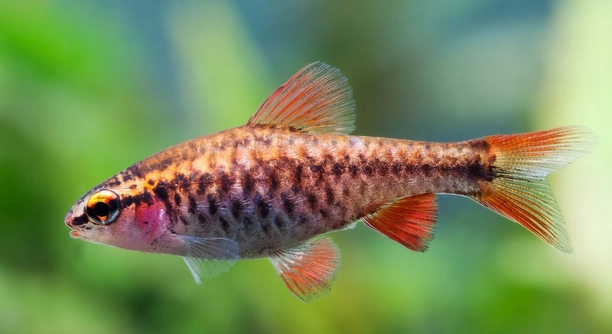
Making water changes for your cherry barbs can sometimes feel overwhelming. Proper maintenance is essential for their health, but it doesn’t have to be stressful. By learning some simple tips, you can keep both your fish and yourself happy.
To make water changes less stressful, start by performing small, frequent water changes instead of large, infrequent ones. Using a siphon vacuum helps remove debris efficiently, and maintaining a stable water temperature ensures the barbs experience minimal stress during the process.
Understanding these simple strategies can greatly reduce stress and improve your cherry barbs’ environment. Keeping your water changes routine manageable will help your fish thrive while making the process much easier for you.
Why Regular Water Changes Matter for Cherry Barbs
Regular water changes are vital for maintaining the health of your cherry barbs. These fish thrive in clean water, which is free from toxins and excess waste. Without proper water changes, harmful substances like ammonia and nitrate can build up, leading to stress and illness in your fish. By sticking to a routine, you prevent these problems from affecting the environment and your fish’s well-being.
Changing the water regularly ensures the barbs live in a stable and healthy environment. The water in your aquarium can become polluted quickly due to the fish’s waste and leftover food. This leads to poor water quality, which can cause disease.
Small, consistent water changes help maintain a balanced ecosystem. By replacing a portion of the water each week, you allow the beneficial bacteria in the tank to continue breaking down waste, keeping the environment stable. This regular upkeep helps prevent the drastic fluctuations that can harm your fish. Keeping the water clean will also make your cherry barbs feel more comfortable, improving their behavior and overall health.
The Right Equipment for Water Changes
Having the right tools makes water changes easier and more efficient. A good siphon or vacuum is essential for removing debris from the tank.
Investing in quality equipment will make water changes faster and less stressful. With the right siphon, you can easily remove waste from both the substrate and water column. Additionally, a thermometer ensures you can match the water temperature to that of the aquarium, preventing shock to your fish. When you use the right tools, the process becomes much smoother, and your cherry barbs won’t feel stressed.
Maintaining Water Temperature
Maintaining a consistent water temperature is crucial for cherry barbs. Sudden temperature changes can cause stress, making your fish more vulnerable to illness. Use a reliable heater to ensure the water stays within the ideal range for your fish.
A temperature range between 72°F and 80°F is perfect for cherry barbs. A steady temperature helps them stay active and healthy. Fluctuations, even by a few degrees, can stress them out and impact their immune system. Using a heater with a thermostat can help regulate the water temperature. This minimizes the risk of temperature spikes, especially in colder months.
Invest in a thermometer to monitor the temperature regularly. Some heaters come with built-in thermostats, but it’s always wise to double-check. Even small changes can affect the well-being of your fish. Keeping the temperature stable reduces the chances of sudden shock and helps your cherry barbs feel comfortable and at ease.
Managing Tank Filtration
Proper filtration is key to maintaining water quality. A good filter will help keep the water clear and remove toxins, improving your fish’s overall health.
Choose a filter with the right flow rate for your tank size. Cherry barbs prefer a gentle current, so avoid filters with too much power that could disturb them. The filter should be strong enough to keep the water clean, but not overwhelming for your fish. Regular maintenance of the filter is essential to ensure it works efficiently. Clean the filter every few weeks to prevent clogs, and replace filter media when necessary.
A good filter helps keep your tank environment stable by removing excess waste and particles. However, don’t rely solely on the filter—regular water changes are still important to ensure that the water remains clean. A well-maintained filter is an effective tool, but it works best when combined with other water change techniques.
Dealing with Algae Growth
Algae growth is a common issue in aquariums, but it can be managed. Excess nutrients in the water encourage algae growth, especially under bright lighting. Reducing feeding and keeping the tank clean helps limit algae growth.
Limiting light exposure is one way to prevent algae. Cherry barbs don’t need excessive lighting, and long periods of light can promote algae blooms. Keep the tank lights on for about 8 to 10 hours daily. This can help control algae and still give your fish the light they need for their day-night cycle.
Using Water Conditioners
Water conditioners can improve water quality by neutralizing harmful chemicals like chlorine and chloramine. These conditioners also help detoxify heavy metals, which can be harmful to your fish.
Using a water conditioner before adding tap water is essential for preventing chlorine or chloramine from harming your cherry barbs. Always follow the manufacturer’s directions to ensure you’re using the correct amount. A good conditioner makes water changes safer and more effective by neutralizing potentially harmful chemicals and improving the overall quality of the water.
Checking pH Levels
Keeping the pH level stable is important for cherry barbs. They prefer slightly acidic to neutral water. Testing the pH regularly ensures that it remains within the ideal range.
FAQ
How often should I change the water in my cherry barb tank?
Water changes for cherry barbs should be done once a week, replacing about 20-30% of the water. Frequent small changes are better than large ones, as they help maintain stable water conditions. Consistency is key to preventing harmful buildups like ammonia and nitrates. Adjust the frequency if you have a larger tank or more fish, but a weekly routine is usually ideal.
What is the best way to remove waste from the tank?
Using a siphon or gravel vacuum is the most effective method for removing waste from the substrate. This tool allows you to clean debris from both the bottom and the water column, ensuring the tank stays clean. It’s a simple way to prevent waste buildup, which can affect water quality.
Can I use tap water for water changes?
Tap water can be used for water changes, but it’s important to treat it first. Most tap water contains chlorine or chloramine, which are harmful to fish. Using a water conditioner to neutralize these chemicals before adding it to the tank is essential for your cherry barbs’ health.
How can I maintain stable water temperature?
To maintain a stable water temperature, use a reliable aquarium heater with a built-in thermostat. Cherry barbs thrive in water temperatures between 72°F and 80°F, so ensuring consistency within this range is crucial. Regularly check the temperature with a thermometer to avoid fluctuations that can stress your fish.
What is the ideal pH level for cherry barbs?
Cherry barbs prefer slightly acidic to neutral water, with a pH level between 6.5 and 7.5. Keeping the pH within this range helps them feel more comfortable and thrive. Regularly test the water’s pH, especially after water changes, to ensure it remains stable and suitable for your fish.
How can I control algae growth in my tank?
Controlling algae starts with limiting light exposure. Keep the tank lights on for 8-10 hours daily, as prolonged lighting encourages algae growth. Additionally, avoid overfeeding your fish, as excess nutrients can contribute to algae blooms. Regularly clean the tank and reduce light exposure to maintain a healthy balance.
How do I clean my aquarium filter?
To clean your aquarium filter, unplug it and remove the filter media. Rinse the media in tank water (not tap water) to preserve beneficial bacteria. Clean the filter housing and impeller to remove any debris. Replace the filter media as needed, typically every 1-2 months, depending on the filter type and usage.
Should I use a filter with a high flow rate?
A high flow rate filter is not ideal for cherry barbs, as they prefer calm waters. Choose a filter with a gentle flow to prevent stress. Filters with adjustable flow rates are a great option, as you can customize the flow to suit your fish’s needs. Proper filtration is essential for water quality but should not overwhelm your fish.
Can cherry barbs survive in freshwater tanks?
Yes, cherry barbs are freshwater fish. They do well in a variety of freshwater tank setups, provided the water is properly maintained. Ensure that the tank conditions, such as temperature, pH, and water quality, are suitable for cherry barbs to thrive. They do best in groups and with peaceful tankmates.
What is the best substrate for a cherry barb tank?
A fine gravel or sand substrate works best for cherry barbs. It’s gentle on their delicate fins and provides a natural environment. You can also add live plants to the substrate to enhance the tank’s appearance and improve water quality. Avoid sharp-edged substrates, as they can injure the fish.
How do I prevent my cherry barbs from becoming stressed?
Cherry barbs can become stressed if the water quality isn’t properly maintained. Regular water changes, stable temperature, and proper filtration help keep them comfortable. Additionally, provide plenty of hiding spots and plants to create a calm environment. Avoid overcrowding the tank and ensure they have enough space to swim.
Can I add other fish to my cherry barb tank?
Cherry barbs are peaceful fish and can be kept with other non-aggressive species. Avoid pairing them with large, aggressive fish that might intimidate them. Good tankmates include other small, peaceful species like tetras, corydoras, and other barbs. Always research compatibility before adding new fish to avoid stress or conflict.
Why are my cherry barbs swimming at the surface?
If your cherry barbs are swimming at the surface, it could be a sign of poor water quality or low oxygen levels. Check the oxygenation of the tank, and consider adding an air stone or adjusting the filter to improve water movement. Regular water changes can also help maintain a healthy environment.
How can I tell if my cherry barbs are healthy?
Healthy cherry barbs are active swimmers with vibrant colors. They should have clear eyes, smooth scales, and no signs of disease, such as lesions or frayed fins. If your fish are swimming erratically, have faded colors, or seem lethargic, it may indicate stress or illness. Always monitor their behavior and appearance for signs of poor health.
Can I breed cherry barbs in my tank?
Yes, cherry barbs can be bred in a well-maintained tank. To encourage breeding, ensure the water quality is high, with stable temperature and pH. Provide plenty of plants and hiding spots for the female to lay eggs. Separate the adults from the eggs to prevent them from being eaten.
What should I do if my cherry barbs seem to be sick?
If your cherry barbs appear sick, the first step is to check water parameters like temperature, pH, and ammonia levels. Poor water quality is often the cause of illness. Isolate any affected fish and consider treating them with an appropriate medication. If needed, seek advice from an experienced aquarium professional.
Final Thoughts
Maintaining a healthy environment for your cherry barbs involves more than just feeding them regularly. The key to ensuring they thrive lies in the water quality and consistency of care. Regular water changes, careful monitoring of water parameters, and using the right equipment like water conditioners and filters are all essential. By providing a stable and clean environment, your cherry barbs will be able to live a long, healthy life. This reduces stress and helps prevent common issues such as illness and poor growth. Cherry barbs are hardy and adaptable, but they still require regular attention to detail.
Water changes are one of the most important tasks you can do to care for your cherry barbs. Changing the water regularly removes harmful toxins and waste buildup that can affect their health. As mentioned earlier, doing smaller water changes more often is better than large changes that could disrupt the tank’s balance. Always check the water temperature and condition the water to ensure it is safe before introducing it into the tank. Regular testing of your tank’s water parameters, such as pH, ammonia, nitrites, and nitrates, is another critical part of maintaining a healthy tank. If you spot any problems with water quality, taking immediate action can prevent stress or harm to your fish.
Creating an environment that reduces stress is just as important as maintaining water quality. Fish can easily become stressed from sudden changes in their environment, whether it’s in temperature, water chemistry, or movement. Keeping your tank’s conditions as stable as possible can help prevent these issues. Cherry barbs also prefer some level of privacy, so providing hiding spots with plants or decorations can help them feel safe. Lastly, don’t overcrowd the tank. Giving your cherry barbs enough space to swim freely will improve their overall well-being. All of these factors combine to create a peaceful and healthy environment, ensuring your cherry barbs live happily in their home.

Hello,
If you enjoy the content that we create, please consider saying a "Thank You!" by leaving a tip.
Every little bit helps us continue crafting quality advice that supports the health, happiness, and well-being of pets around the world, for pets of all shapes, sizes, and species.
We really appreciate the kindness and support that you show us!