
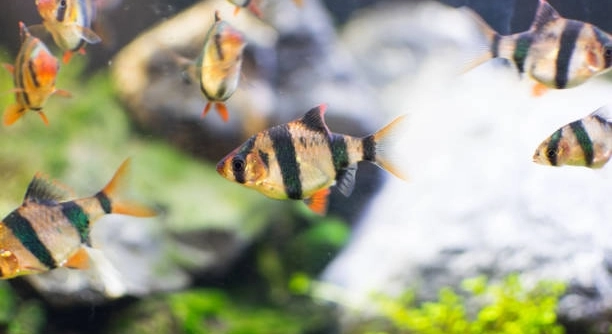
Tiger barbs are lively, colorful fish that bring energy to any freshwater aquarium. Creating a comfortable environment for them is essential to help them thrive and display their natural behaviors. Proper care ensures they stay healthy and active.
To make tiger barbs feel at home, provide a spacious tank with clean, well-oxygenated water and moderate current. Include hiding spots and live plants, maintain water temperature between 74-79°F, and keep them in groups of six or more to reduce aggression.
Understanding these key care points will help your tiger barbs adjust smoothly to their new environment and promote their well-being over time.
Setting Up the Ideal Tank Environment
Creating the right tank setup is crucial for tiger barbs to feel secure. A tank size of at least 30 gallons is recommended because these fish are active swimmers and need space to move freely. Use a good filtration system to keep the water clean and maintain a gentle current, as tiger barbs enjoy moderate water flow. Incorporating live plants like Java fern or Anubias offers natural hiding places and helps improve water quality. Adding smooth rocks and driftwood can further enhance the habitat by providing shelter and visual barriers, which reduce stress. Lighting should be moderate, avoiding overly bright conditions that can cause discomfort. Regular water testing and partial water changes every week keep the environment stable, reducing the risk of illness. Paying attention to these details ensures that your tiger barbs have a healthy and comfortable home to thrive in.
Maintaining a stable environment with proper filtration and plants supports both water quality and fish behavior effectively.
Proper tank setup promotes natural behaviors and reduces aggression, creating a balanced community where tiger barbs can live comfortably and healthily.
Feeding and Social Behavior
Tiger barbs need a varied diet to stay healthy. They thrive on high-quality flakes or pellets supplemented with live or frozen foods like brine shrimp or bloodworms. Feeding small amounts two to three times daily prevents overfeeding and keeps the water clean. These fish are social and should be kept in groups of six or more to avoid aggressive behavior. When in groups, tiger barbs establish a natural hierarchy that reduces fighting. However, introducing too many tank mates or incompatible species can increase stress. Monitoring their interactions helps ensure a peaceful aquarium. Keeping an eye on their eating habits and behavior allows for timely adjustments in diet or social grouping. Providing the right balance between feeding and social conditions contributes significantly to their overall health and happiness.
Water Quality and Maintenance
Keeping water quality stable is essential for tiger barbs’ health. Regular water testing helps detect harmful levels of ammonia, nitrites, and nitrates.
Perform weekly water changes of 20-30% to remove waste and maintain water clarity. Use a reliable water conditioner to neutralize chlorine and chloramine. Monitor pH levels, aiming for a range between 6.5 and 7.5, as tiger barbs prefer slightly acidic to neutral water. Maintain consistent temperature and avoid sudden fluctuations, which can stress the fish. Cleaning the tank filter monthly keeps it efficient without disrupting beneficial bacteria. Proper water maintenance prevents diseases and supports the natural behavior of tiger barbs, helping them stay active and vibrant.
Testing water regularly and consistent maintenance create a safe, healthy environment where tiger barbs can thrive and avoid common health problems.
Tank Mates and Compatibility
Tiger barbs can be aggressive, especially in small groups or with slow-moving tank mates. Choosing compatible companions is key to reducing stress and aggression. Ideal tank mates include fast, similarly sized fish like danios, rasboras, or larger tetras. Avoid keeping tiger barbs with long-finned or slow species such as bettas or angelfish, as they may become targets of nipping. Maintaining a group of six or more tiger barbs dilutes aggression within their own school, promoting harmony. Monitor behavior closely and be ready to separate any overly aggressive fish to protect others. A balanced community encourages natural social behavior and reduces conflict.
Selecting the right tank mates and keeping tiger barbs in larger groups ensures a peaceful aquarium with minimal stress and aggression among fish.
Tank Decoration and Hiding Spots
Tiger barbs need hiding spots to feel secure and reduce stress. Using plants, rocks, and driftwood creates natural shelters. These decorations also break up sightlines, which helps limit aggression among tank mates.
Live plants improve water quality and provide additional cover. Avoid sharp decorations that could injure the fish during their active swimming.
Monitoring Health and Behavior
Watch for signs of illness such as faded colors, clamped fins, or lethargy. Early detection helps prevent serious health issues.
Regular observation helps identify stress caused by poor water conditions or aggressive tank mates. Respond quickly to keep your tiger barbs healthy.
Lighting Conditions
Moderate lighting mimics the tiger barb’s natural environment. Avoid overly bright lights that can cause stress or hide hiding spots.
Using a timer for consistent light cycles supports their natural rhythm and behavior.
FAQ
How many tiger barbs should I keep together?
Tiger barbs are schooling fish that need to be kept in groups of at least six. Smaller groups may lead to increased aggression and stress, as they tend to nip at each other when not in a proper school. Keeping six or more helps spread out any aggressive behavior, promoting a more peaceful environment.
What is the ideal tank size for tiger barbs?
A minimum tank size of 30 gallons is recommended for a group of six or more tiger barbs. This space allows them to swim actively and reduces territorial disputes. Larger tanks offer more room for decorations and hiding spots, which further improve their comfort and reduce stress.
What water parameters do tiger barbs need?
Tiger barbs thrive in water with a temperature between 74°F and 79°F (23°C to 26°C). The pH should be maintained between 6.5 and 7.5, and water hardness around 5 to 12 dGH. Consistent water quality is crucial, so regular testing and water changes help maintain these parameters.
Can tiger barbs live with other fish?
Yes, but tank mate selection is important. Tiger barbs can be aggressive toward slow-moving or long-finned fish. Compatible companions include fast, similarly sized species like danios, rasboras, and larger tetras. Avoid bettas, angelfish, or other slow fish that may become targets.
What do tiger barbs eat?
Tiger barbs are omnivores. A balanced diet includes high-quality flakes or pellets along with live or frozen foods like brine shrimp, bloodworms, and daphnia. Feeding should occur two to three times daily in small amounts to prevent overfeeding and water pollution.
How often should I clean the tank?
Perform partial water changes of 20-30% weekly to maintain water quality. Clean the filter monthly but avoid replacing all the filter media at once to preserve beneficial bacteria. Regular tank maintenance helps prevent disease and keeps the environment stable.
Why do tiger barbs nip fins?
Fin nipping is a natural behavior, often linked to their active and sometimes aggressive nature. Keeping them in larger groups reduces this behavior by spreading aggression within their school. Providing enough space and hiding spots also helps minimize fin nipping.
What signs indicate a sick tiger barb?
Look for faded colors, clamped fins, lethargy, loss of appetite, or unusual swimming patterns. Early detection is key. Quarantine new fish before adding them to the main tank to prevent the spread of disease.
How long do tiger barbs live?
With proper care, tiger barbs can live between 5 to 7 years. Maintaining clean water, a suitable diet, and a stress-free environment contributes to their longevity.
Can tiger barbs breed in a home aquarium?
Yes, tiger barbs can breed, but they require specific conditions such as slightly softer, acidic water and plenty of plants or spawning mops. The adults may eat their eggs, so separating the fry after hatching is necessary for survival.
Final Thoughts
Caring for tiger barbs requires attention to several important details, but it is rewarding to see them thrive in a well-maintained aquarium. These fish are lively and social, needing a spacious tank and stable water conditions to feel comfortable. Providing a suitable environment with clean water, proper temperature, and moderate lighting helps keep them healthy. Their natural behavior, including schooling and occasional fin-nipping, can be managed by keeping them in groups of six or more and offering enough hiding spots. When these needs are met, tiger barbs show their bright colors and energetic movements, making them a great addition to a freshwater community tank.
Feeding tiger barbs a balanced diet is essential to their health. Offering a mix of high-quality flakes or pellets with live or frozen foods gives them the nutrients they need. Feeding small amounts two to three times daily helps avoid overfeeding and keeps the water clean. Choosing compatible tank mates also plays a major role in reducing stress and aggression. Avoiding slow or long-finned fish prevents unnecessary fin-nipping and conflict. Monitoring their behavior regularly allows timely adjustments in care and tank setup, which can prevent many common problems. Keeping these fish in a peaceful and stable environment supports their well-being and longevity.
Overall, tiger barbs are a moderately easy species to care for with proper preparation and maintenance. Their active nature and striking appearance make them popular among freshwater fish keepers. By focusing on the key aspects of tank size, water quality, diet, and social needs, their natural behavior can be enjoyed fully. Regular tank maintenance and observation are necessary to catch early signs of illness or stress. With consistent care, tiger barbs can live healthy lives for several years and bring enjoyment to any aquarium owner. Taking the time to meet their basic needs ensures they feel at home and thrive in your tank.

Hello,
If you enjoy the content that we create, please consider saying a "Thank You!" by leaving a tip.
Every little bit helps us continue crafting quality advice that supports the health, happiness, and well-being of pets around the world, for pets of all shapes, sizes, and species.
We really appreciate the kindness and support that you show us!