
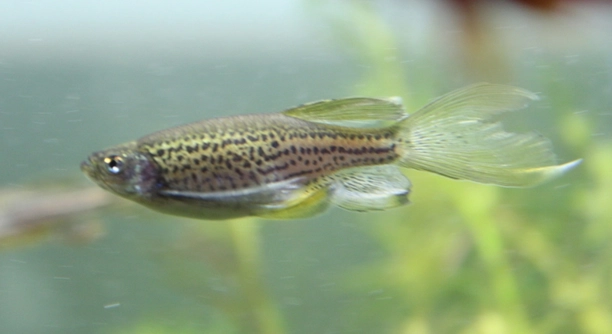
Are your zebra danios acting stressed or hiding too often when new fish are introduced into the tank? This behavior can make it difficult to enjoy a peaceful and balanced aquarium environment at home.
The best way to make tank mates less scary for zebra danios is by choosing peaceful species, using gradual acclimation techniques, and providing plenty of hiding spots. These strategies reduce stress and support natural social behavior among fish.
By adjusting your tank setup and choosing compatible fish, you can help your zebra danios feel safe and thrive in their environment.
Understanding Zebra Danio Behavior
Zebra danios are active, social fish that prefer to live in groups. When placed with unfamiliar or aggressive tank mates, they may display signs of stress like hiding, darting, or refusing to eat. This reaction is natural for small schooling fish that feel threatened. A calm environment helps them thrive. Choosing fish with similar energy levels and temperaments can prevent anxiety. Avoid large or territorial species that may chase or intimidate them. It’s also important to keep zebra danios in groups of five or more, which encourages natural schooling behavior and increases their confidence in shared spaces.
Even if zebra danios seem energetic, that doesn’t mean they’re comfortable with every fish in the tank.
Creating a safe tank setup means thinking about space, hiding spots, and how fish interact. Add live or artificial plants, driftwood, and rocks to give zebra danios room to swim and hide when needed. Floating plants can also help soften lighting and provide a sense of cover. Keep the tank at stable water parameters, as sudden changes in temperature or pH can make stress worse. Watching how zebra danios respond to their environment and tank mates can guide adjustments. When they feel safe, you’ll see more playful and natural behaviors in the tank.
Choosing the Right Tank Mates
The best tank mates for zebra danios are peaceful, fast swimmers that don’t act aggressively or compete for space.
Options like harlequin rasboras, white cloud minnows, and cherry barbs work well. These species tend to stay calm and match the danios’ energy. Avoid slow-moving fish with long fins, like angelfish or bettas, which can be targets of nipping. Zebra danios are active and may chase slower fish, especially in small tanks. Size matters too—stick to similarly sized fish to reduce conflict. Before adding any new species, do some research and consider your tank’s size, layout, and filtration. Overcrowding leads to stress and territorial behavior. Instead, keep things balanced by adding tank mates gradually and watching how they interact. If signs of aggression appear, use a divider or move the fish to a different tank. Proper planning helps zebra danios live peacefully with others, making your aquarium more enjoyable to watch and easier to maintain.
Setting Up a Stress-Free Environment
A peaceful setup helps zebra danios feel less nervous around other fish. Avoid loud filters or bright lighting that can overwhelm them, and create plenty of hiding spots with plants or rocks for security.
Use decorations like driftwood, caves, and dense plants to offer zebra danios safe areas to retreat. This helps them avoid constant exposure to more dominant tank mates. A calm tank environment gives them space to swim freely without tension. Make sure the tank is large enough, at least 20 gallons, to provide space for both zebra danios and their companions. Limit sudden movements around the tank and maintain a consistent lighting schedule. A stable and well-planned space lowers stress and allows fish to develop natural behaviors. Regular observation will help you catch any issues early before they affect the overall atmosphere in the tank.
Water quality plays a major role in fish behavior. Poor conditions can make any fish, including zebra danios, more reactive or uncomfortable. Test the water weekly for ammonia, nitrites, nitrates, and pH. Zebra danios do best in slightly alkaline water with stable temperature. If conditions change too often, stress levels can rise, especially when new tank mates are introduced. Use a reliable heater and filter system to support stability. Clean the tank regularly, but avoid complete overhauls that remove helpful bacteria. Balanced water conditions paired with a low-stress environment help zebra danios adjust to new tank mates with less fear or aggression.
Acclimating New Tank Mates Slowly
Add new fish slowly over time, rather than introducing several at once. This gives zebra danios time to adjust and keeps stress from building in the tank.
Start by floating the new fish in their bag for 20 minutes to match the water temperature. Slowly mix small amounts of tank water into the bag every five minutes for another 20 minutes. After that, gently release the fish into the tank without adding bag water. Observe closely for the first day or two. If your zebra danios are hiding more, reduce the lighting and try rearranging some decorations to reset territories. Minor changes in layout can interrupt aggressive behavior. Always quarantine new fish before adding them to your main tank to prevent the spread of illness. A smooth acclimation process makes the introduction easier for both zebra danios and their new companions. Patience helps maintain balance and harmony in your tank.
Watching for Warning Signs
Zebra danios may show stress by hiding, skipping meals, or swimming erratically. These are early signs that they’re uncomfortable with their environment or tank mates.
If you notice fin nipping or chasing, it’s time to make changes. Separate aggressive fish or rearrange the tank to break up tension quickly.
When Things Don’t Improve
If your zebra danios continue to act fearful or aggressive behavior worsens, consider rehoming the problematic fish. Not all species are compatible, even if they seem peaceful at first. Try switching out the tank layout again, adding more plants, or increasing the school size of your danios. More companions of their own kind often make them feel safer. Also, double-check water quality, as poor conditions can increase stress even if the fish seem fine. When nothing seems to work, it’s okay to admit that some fish just don’t get along and need different setups to stay healthy.
Keeping a Balanced Tank
A calm, balanced tank takes regular observation and small adjustments. Consistency in care, space, and tank mates will help zebra danios feel safe and act naturally.
FAQ
Can zebra danios live with bigger fish?
Zebra danios can live with larger fish if those fish are peaceful and not aggressive. Avoid pairing them with species known to chase or nip. Size difference can cause stress, especially if the larger fish is curious or territorial. Good options include mollies, platies, and larger tetras. Avoid cichlids, angelfish, or any fish that might see smaller danios as food. If you do choose to mix sizes, add plenty of plants or decorations for cover. Observing behavior for the first few days will help you catch signs of stress early.
How many tank mates should zebra danios have?
Zebra danios are active schooling fish and feel safest in groups of six or more. When adding tank mates, balance the total number with your tank size. Overcrowding leads to stress and competition for space. In a 20-gallon tank, you might safely keep six zebra danios with three to four compatible tank mates. Always choose species with similar energy levels. Slower or more sensitive fish may feel overwhelmed by the danios’ quick movements. More tank mates aren’t always better—focus on compatible, low-stress companions.
Why are my zebra danios hiding all of a sudden?
Hiding is a common stress response in zebra danios. If this behavior is new, check for recent changes in the tank. Did you add a new fish? Move decorations? Change the lighting or filter flow? Even small changes can throw them off. Also test the water quality—ammonia, nitrites, or sharp pH shifts can lead to hiding. Another cause might be bullying by tank mates. Look for fin damage or signs of chasing. Addressing the issue quickly will help them return to normal activity.
Do zebra danios get along with bettas?
Sometimes, but not always. Bettas can be unpredictable and may see zebra danios as a threat or annoyance. The danios’ fast, darting movements might irritate a betta, leading to flaring or attacks. If you try this pairing, use a large tank with many hiding spots and monitor closely. Avoid adding long-finned danios that might be mistaken for another betta. Some people have success with this combo, but it’s risky and not usually recommended for beginners. Always be ready to separate them if needed.
Should I separate an aggressive fish immediately?
Yes. If one fish is clearly attacking others, it’s best to separate it as soon as possible. Aggression can lead to injury or stress for the whole tank. Move the aggressive fish to a temporary tank or breeder box while you decide on a long-term plan. Sometimes, rearranging the tank helps reset territories, but don’t rely on that alone. Watch your zebra danios for signs of recovery once the aggressor is removed. If peace returns quickly, that confirms the source of the problem.
How long does it take for zebra danios to adjust to new tank mates?
Usually, zebra danios adjust within a few days if the environment is stable and tank mates are peaceful. Signs of adjustment include normal swimming patterns, eating regularly, and interacting with other danios. If they continue hiding, skipping food, or acting agitated, something may be off. Recheck water quality and make sure there’s no bullying. Adding more danios can also help—being in a group makes them feel secure. Sometimes, all it takes is time and consistency to help them settle down.
What types of fish work best as tank mates for zebra danios?
Choose fast-swimming, peaceful species that can keep up with zebra danios. Good choices include harlequin rasboras, cherry barbs, cory catfish, and white cloud minnows. Avoid slow or long-finned fish, as danios might nip out of curiosity. Community fish that don’t establish strong territories or show aggression are best. If your tank is large enough, you’ll have more flexibility with combinations. Just be sure every fish has room to swim and hide, and always research compatibility before adding anyone new.
Can decorations affect how zebra danios behave with other fish?
Yes. The tank layout has a big effect on behavior. Decorations break up sightlines, reduce stress, and give fish places to hide. This can help ease tensions between zebra danios and new tank mates. A bare tank can make the danios feel exposed and defensive. Adding plants, driftwood, or caves gives them structure and helps prevent chasing. Rearranging the decor when adding new fish also disrupts territory claims and creates a more neutral space. A well-planned layout can make a big difference in harmony.
Is it better to introduce new fish during the day or at night?
Introduce new fish during the day when you can observe behavior closely. This lets you catch problems early, like chasing or hiding. Dim the lights slightly to reduce stress for both new and existing fish. Avoid adding fish late at night unless it’s an emergency, since it’s harder to monitor reactions. The first few hours after introduction are the most important, and daytime gives you better control. If aggression starts, remove the aggressive fish before it becomes a serious issue.
Final Thoughts
Zebra danios are active and curious fish that do well in community tanks when paired with the right tank mates. Their quick movements and social nature can sometimes make them appear nervous or even aggressive, especially if they feel crowded or threatened. Creating a balanced tank where every fish has enough space to swim and hide will help lower stress. Keeping zebra danios in a group of six or more is also important, as it helps them feel safer and reduces the chance of them bothering other fish. With calm surroundings, good water conditions, and peaceful companions, zebra danios will become more comfortable and act naturally.
Introducing new tank mates takes planning and patience. Even though zebra danios are considered hardy, they can still feel scared or anxious when faced with unfamiliar fish or sudden changes. Watching your tank after adding new fish is an easy way to notice any signs of stress early. Things like hiding, loss of appetite, or chasing could mean something is wrong. In these cases, checking the water, adjusting the layout, or removing a fish may help restore balance. Every tank is different, so it’s helpful to pay close attention to how your fish respond rather than relying on general rules alone.
Making zebra danios feel safe around tank mates is not about creating the perfect setup all at once—it’s more about understanding their needs and adjusting when needed. A calm tank allows all fish to thrive without fear. Sometimes, even small changes in decoration or lighting can lead to better behavior. Over time, as you become more familiar with how your danios behave, you’ll be able to make small improvements that keep the tank peaceful. While it can be tempting to add many different fish, focusing on compatibility and observation is often the better approach. A calm tank not only supports your zebra danios but helps every fish live a healthier, happier life.

Hello,
If you enjoy the content that we create, please consider saying a "Thank You!" by leaving a tip.
Every little bit helps us continue crafting quality advice that supports the health, happiness, and well-being of pets around the world, for pets of all shapes, sizes, and species.
We really appreciate the kindness and support that you show us!