
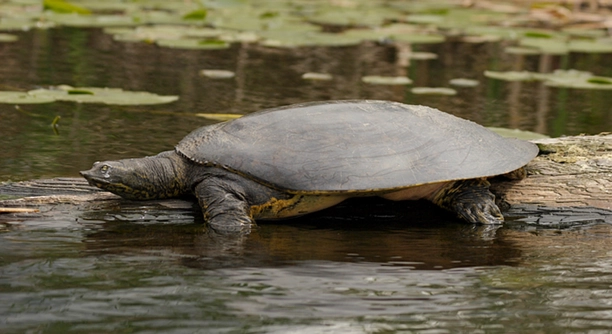
A softshell turtle’s health relies heavily on a proper and balanced diet. Providing the right food is key to keeping your turtle strong and vibrant. Understanding what your turtle needs is essential for its overall well-being.
To ensure your softshell turtle has a balanced diet, offer a variety of fresh foods like leafy greens, insects, and aquatic plants. Regularly providing calcium and vitamin supplements will also help prevent any nutritional deficiencies that may arise.
Making small adjustments to their diet can significantly improve your turtle’s health. Learn more about the key food choices that promote their growth and vitality in the sections ahead!
Understanding Your Softshell Turtle’s Nutritional Needs
A balanced diet is essential for a softshell turtle’s health, helping it grow strong and thrive. They are omnivores, so they eat both plant and animal-based foods. The diet should consist of a mix of leafy greens, aquatic plants, and protein sources like insects and small fish. It’s important to provide variety, so they get all the nutrients they need, including vitamins and minerals. They require calcium for strong shells and bones, as well as vitamin D3 to help absorb calcium. Without the right balance, your turtle may suffer from nutritional deficiencies, which could lead to health problems. Offering a combination of foods that are high in nutrients ensures your softshell turtle stays happy and active.
While it might seem simple, keeping your turtle’s diet well-rounded requires some effort. You’ll need to make sure they’re getting both plant-based and protein-rich foods. Be mindful of portion sizes to prevent overfeeding.
Regularly offering a variety of different foods, such as leafy vegetables, live insects, and aquatic plants, will help to avoid nutrient deficiencies. Softshell turtles are also known to enjoy the occasional live fish, which can be a great source of protein. In addition to these food items, some owners opt to supplement their turtle’s diet with calcium and vitamin D3, especially if the turtle isn’t exposed to natural sunlight. These supplements help to ensure that your turtle maintains proper shell growth and bone strength. Avoid feeding them too many fatty foods or processed foods, as this can lead to obesity or other health issues. Feeding your turtle a balanced diet is essential for long-term health and will help it live a long, healthy life.
Foods to Include in a Balanced Turtle Diet
To give your softshell turtle a well-rounded diet, there are a few key foods to include regularly.
You should always offer fresh leafy greens, such as kale, collard greens, and dandelion greens. These provide essential vitamins and fiber, keeping your turtle’s digestive system healthy. Additionally, aquatic plants like water hyacinth or duckweed can be an excellent addition to their diet, as they mimic the foods they’d eat in the wild. Along with these plant-based foods, provide protein sources like crickets, worms, and small fish. You can also use turtle pellets, but they should not be the only food. Offering a combination of fresh, nutritious foods helps to ensure a well-rounded diet.
Avoid Overfeeding Your Turtle
Overfeeding your turtle can lead to obesity and other health problems. Stick to a set feeding schedule, and only offer what your turtle can eat in 10-15 minutes. This will help prevent them from eating too much and ensure they don’t become overweight.
It’s easy to get carried away, but keeping track of how much you feed your turtle is key. They don’t need large portions, and overfeeding can lead to excessive fat buildup around their body. Offering food once a day is usually enough for an adult softshell turtle. Make sure to monitor their weight regularly to ensure they are maintaining a healthy size. If you notice they’re getting too heavy, reduce their portions or the frequency of meals.
By controlling portion sizes and feeding on a set schedule, you can help your turtle maintain a healthy weight and avoid potential complications. Be cautious with high-fat or high-calorie foods like fish or pellets, as these can quickly contribute to weight gain. Always remove any leftover food after feeding to prevent uneaten portions from rotting in the water. Proper feeding habits will lead to better health for your turtle, and it’ll have more energy and activity in its daily routine.
Importance of Freshwater and Hydration
Softshell turtles need a constant supply of clean, fresh water to stay hydrated.
Make sure their tank is cleaned regularly, and the water is changed often to keep it free from contaminants. They drink water as part of their eating process, but they also absorb water through their skin. If the water is dirty or stagnant, it can cause health problems like skin infections or digestive issues. You may need a water filtration system to help keep things clean.
Along with keeping the water clean, it’s important to ensure that it’s the right temperature. Softshell turtles are cold-blooded and need warmer water to help with digestion and overall health. The ideal water temperature should be between 75°F and 85°F (24°C – 29°C). A thermometer can help you keep track of the water temperature and make adjustments if necessary. Providing your turtle with a clean, warm, and fresh water source will keep it hydrated and healthy for years to come.
Supplementing with Calcium and Vitamin D3
Calcium and vitamin D3 are essential for a turtle’s bone and shell health.
Adding a calcium supplement to their diet ensures their shells remain strong and healthy. Without it, softshell turtles are at risk of developing metabolic bone disease. Sprinkle calcium powder on their food two to three times a week to maintain proper levels.
Vitamin D3 is also necessary for calcium absorption. Without enough D3, turtles can’t process the calcium properly, which can lead to deformities or other health issues. If your turtle doesn’t have access to natural sunlight, consider adding a vitamin D3 supplement to their diet.
The Role of Protein in Their Diet
Protein is essential for softshell turtles as it supports growth and overall health.
Turtles require a steady supply of protein for muscle development and to keep their energy levels high. You can provide protein by offering insects like crickets, mealworms, and worms, as well as small fish. Be sure to adjust protein offerings based on your turtle’s age.
Young softshell turtles need more protein to fuel their growth, while adult turtles require less. Too much protein can lead to kidney issues, so balance is key. Ensure the protein you provide is from a variety of sources to avoid nutrient imbalances.
Plant-Based Foods to Include
Softshell turtles thrive on plant-based foods, which provide necessary vitamins and fiber.
Leafy greens, such as kale, collard greens, and dandelion leaves, should be a regular part of their diet. These plants offer vitamins like A and C, which help boost the immune system and promote healthy vision. Also, adding aquatic plants like water lilies or duckweed helps provide variety and mimic their natural habitat.
FAQ
How often should I feed my softshell turtle?
Feeding your softshell turtle once a day is usually sufficient. For younger turtles, you can feed them more frequently, about 2-3 times a day. Keep the portions small to avoid overfeeding. It’s important to monitor their eating habits and adjust based on their activity level and size. As they age, they might eat less, so adjust portions accordingly.
Can softshell turtles eat fruit?
Yes, softshell turtles can eat fruit, but it should be given in moderation. Fruits like strawberries, watermelon, and apples can be offered occasionally as a treat. However, too much fruit can lead to digestive issues because of the high sugar content. Stick to small portions to maintain a balanced diet.
What is the best way to offer calcium to my turtle?
You can provide calcium by sprinkling a calcium supplement directly onto your turtle’s food 2-3 times a week. Another option is offering cuttlebone, which is naturally rich in calcium. Make sure to remove any leftover cuttlebone from the tank to prevent water contamination.
Can I feed my turtle fish?
Yes, fish can be part of your turtle’s diet, especially as a protein source. Small live fish like minnows or guppies can be a great addition. However, avoid overfeeding fish, as it may lead to an imbalance in their diet. Use fish as an occasional treat, not the main meal.
Is it okay to feed my turtle processed foods?
While it’s tempting to feed your turtle processed foods like pellets, they should not be the only food you offer. Pellets can lack the necessary variety of nutrients found in fresh food. Use them in combination with fresh vegetables, insects, and other natural food sources to ensure your turtle is getting a balanced diet.
How can I make sure my turtle is getting enough vitamins?
To ensure your softshell turtle is getting enough vitamins, provide a variety of fresh foods. Leafy greens like kale and collard greens are rich in vitamins A and C, which help with immune health and vision. You can also add a vitamin supplement to their food if you’re concerned they aren’t getting enough through their diet.
Can I feed my turtle live insects?
Live insects like crickets, mealworms, and earthworms are a great source of protein for your turtle. They provide important nutrients and encourage natural hunting behavior. Be sure to offer a variety of insects to ensure a well-rounded diet. Make sure the insects are gut-loaded (fed nutritious food) to provide extra nutrients to your turtle.
How do I prevent my turtle from becoming overweight?
To avoid obesity, stick to a feeding schedule and provide appropriate portion sizes. Monitor how much food your turtle is consuming, and remove any leftovers from the tank. You should also offer a balanced diet with a good mix of vegetables and protein, avoiding too many fatty foods. Regular exercise is also important, so provide opportunities for swimming and other activities.
Should I give my turtle supplements?
While fresh, varied food should be the main part of your turtle’s diet, supplements can help fill any nutritional gaps. A calcium supplement is crucial for shell and bone health, especially if your turtle is not exposed to enough natural sunlight. You can also provide a vitamin D3 supplement to aid in calcium absorption. Always follow the instructions on the supplement packaging to avoid over-supplementation.
Can softshell turtles eat plants from my garden?
You can offer plants from your garden as long as they are safe for turtles. Avoid plants that have been treated with pesticides, herbicides, or any chemicals. Safe choices include dandelion greens, water plants, and clover. Always wash the plants thoroughly before feeding them to your turtle to remove any harmful substances.
What should I avoid feeding my softshell turtle?
There are several foods that should be avoided. Don’t feed your turtle processed foods, such as bread or cookies, as they lack the necessary nutrients. Also, avoid feeding them high-fat foods, such as fatty meats or foods high in sugar, as these can lead to health problems like obesity. Stay clear of any foods that could be toxic to turtles, like avocado, onions, or garlic.
How can I tell if my turtle is getting the right nutrients?
A healthy turtle will have clear, bright eyes, smooth skin, and a firm, unscaly shell. If your turtle’s shell is soft or deformed, it may indicate a calcium deficiency. Weight loss, lethargy, or difficulty swimming could also signal an imbalance in their diet. Regularly check their health and consult a vet if you’re unsure.
Is it necessary to feed my turtle live food?
Live food can be a great way to provide natural protein and encourage your turtle’s hunting instincts, but it is not strictly necessary. Many turtles can thrive on a diet of fresh vegetables, prepared protein, and occasional treats like live insects or fish. It’s all about variety and balance, so live food is just an option, not a requirement.
How do I know if I’m overfeeding my turtle?
Signs of overfeeding include a swollen, round belly, lack of activity, and an increase in fat around the turtle’s body. Overfeeding can also lead to health problems like obesity, so it’s important to monitor your turtle’s eating habits. If you’re unsure, try reducing the amount of food you give and see if their health improves.
Final Thoughts
Taking care of a softshell turtle involves more than just providing food. A balanced diet plays a significant role in keeping them healthy, ensuring they grow strong, and maintain a good quality of life. Softshell turtles are omnivores, which means they need both plant and animal-based foods to get the necessary nutrients. By offering a variety of foods, such as leafy greens, insects, and fish, you’ll ensure they receive the vitamins and minerals needed for strong shells, healthy bones, and overall well-being. Supplementing with calcium and vitamin D3 is also crucial, especially if your turtle doesn’t have access to natural sunlight.
One of the most important aspects of turtle care is avoiding overfeeding. While it’s easy to think that more food equals a healthier turtle, overfeeding can lead to obesity and other health issues. Providing the right portions and sticking to a regular feeding schedule helps prevent these problems. It’s important to monitor your turtle’s weight and adjust food portions accordingly, depending on age and activity levels. Offering high-protein foods like live insects can be great for growth, but they should only be given in moderation to prevent kidney strain.
Along with proper feeding, keeping your turtle’s environment clean and providing fresh, clean water is essential. Turtles need hydration, and their tank should be cleaned regularly to avoid bacteria build-up. Maintaining the right water temperature is also important for digestion and overall health. With a little effort and knowledge, you can provide a balanced diet and a healthy living environment, helping your softshell turtle thrive.

Hello,
If you enjoy the content that we create, please consider saying a "Thank You!" by leaving a tip.
Every little bit helps us continue crafting quality advice that supports the health, happiness, and well-being of pets around the world, for pets of all shapes, sizes, and species.
We really appreciate the kindness and support that you show us!