
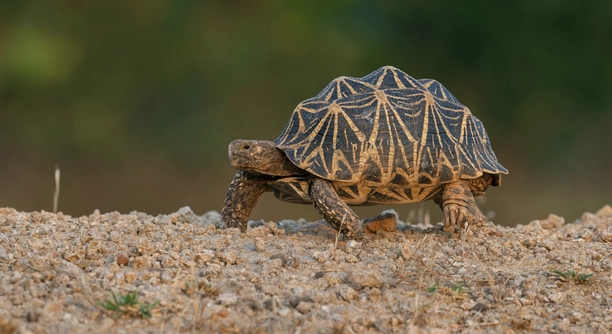
Indian Star Tortoises are fascinating creatures, but ensuring their health involves paying close attention to their diet. One crucial aspect of their well-being is calcium intake. Here’s how to make sure they’re getting enough of this vital nutrient.
Calcium is essential for an Indian Star Tortoise’s bone health and shell development. A lack of calcium can lead to serious health issues like metabolic bone disease. To provide adequate calcium, offer a balanced diet with supplements and UVB lighting.
Proper calcium intake
The Importance of Calcium for Your Indian Star Tortoise
Calcium is a crucial mineral for Indian Star Tortoises. It helps in shell growth, bone strength, and overall health. Without enough calcium, your tortoise may develop weak bones and a soft shell. This can lead to problems like deformities and difficulty moving. Calcium also supports nerve function and muscle control, which are essential for your tortoise’s mobility and well-being. In the wild, tortoises obtain calcium from their natural environment, consuming plants and eating small amounts of mineral-rich dirt. However, in captivity, it’s your responsibility to ensure they get enough calcium through their diet and supplements.
Offering the right food and calcium supplements is the best way to ensure your tortoise stays healthy. They may not always get enough calcium from their daily meals, so adding supplements can make up for any shortfall.
You can provide calcium through specific food items like dark leafy greens, such as kale and collard greens. These are high in calcium and will help balance your tortoise’s nutritional needs. You should also include calcium-rich vegetables like broccoli and dandelion greens. Make sure to avoid offering spinach or chard regularly, as they contain oxalates that can interfere with calcium absorption. Along with these foods, calcium powder can be sprinkled on their meals a few times a week.
UVB Lighting is Key for Calcium Absorption
UVB lighting plays a vital role in calcium absorption. Without adequate UVB exposure, your tortoise may not be able to process calcium properly, no matter how much is in their diet.
Your Indian Star Tortoise needs UVB lighting for at least 12 hours a day. This mimics natural sunlight and helps them produce vitamin D3, which is necessary to absorb calcium from their food. Without this light, they are at risk of developing metabolic bone disease. Place a UVB light source over their basking area to ensure they can receive proper exposure.
Along with UVB lighting, you should also ensure the basking spot is at the correct temperature, ideally around 85-90°F (29-32°C). This heat supports digestion and encourages your tortoise to stay active. While UVA light helps with appetite and behavior, UVB is the real star when it comes to calcium processing. Make sure to replace the UVB bulb every 6-12 months as they lose effectiveness over time.
Calcium Supplements for Indian Star Tortoises
Calcium supplements are a convenient way to ensure your tortoise gets enough calcium. You can find supplements in powder or liquid form, designed specifically for reptiles. These products are usually available at pet stores or online.
Calcium powder is often the most popular option. You simply sprinkle it over their food a few times a week. If your tortoise isn’t eating enough calcium-rich foods, this is an easy solution. Make sure to use calcium without phosphorus or vitamin D3 if you’re already providing proper UVB light. Over-supplementing can cause problems, so balance is key.
Calcium liquid supplements are also available. These can be added directly to your tortoise’s drinking water. However, it’s important to change the water regularly to avoid contamination. If you choose this route, make sure the water is fresh, and monitor your tortoise’s calcium intake to avoid overuse. Liquid calcium supplements can be less wasteful than powders, but it’s still important to avoid over-supplementation.
Monitor Your Tortoise’s Health Regularly
Regular health check-ups help ensure your tortoise is getting the right amount of calcium. Watch for signs of calcium deficiency such as a soft shell, weakness, or lethargy. If you notice these symptoms, it’s important to address the issue quickly.
A routine check-up should include checking the shell and legs for signs of deformities or weakness. You can also check for any noticeable changes in behavior, such as less activity or refusal to eat. If you notice any changes, consider visiting a reptile veterinarian for advice. They can help determine if your tortoise is calcium-deficient and offer guidance on diet adjustments or supplements. Regular monitoring is a simple way to keep your tortoise healthy and avoid bigger health issues. This proactive approach ensures that calcium intake remains balanced.
Foods Rich in Calcium for Your Tortoise
Leafy greens and vegetables are great sources of calcium for your tortoise. Offer a variety of foods like kale, collard greens, and dandelion greens. These are easy to find and will provide the essential calcium your tortoise needs.
In addition to dark leafy greens, you can also feed your tortoise calcium-rich vegetables like broccoli, mustard greens, and parsley. These foods will provide a healthy amount of calcium when included in their diet regularly. Avoid feeding them high-oxalate vegetables like spinach, as they can hinder calcium absorption.
The Right Amount of Calcium
Over-supplementing calcium can lead to problems like kidney damage or metabolic imbalance. It’s important to balance your tortoise’s calcium intake, considering both natural foods and supplements.
If you’re using calcium powder, sprinkle it lightly on food a few times per week. Be mindful not to add too much, as it’s easy to overdo it. Regular monitoring of their diet will help maintain the right balance, preventing potential health issues. Calcium should complement a varied diet, not replace it.
Hydration and Calcium Absorption
Proper hydration is essential for calcium absorption. Ensure your tortoise has access to fresh water daily. Dehydration can cause them to have trouble processing nutrients.
Providing fresh water regularly will help your tortoise stay hydrated, which is crucial for digesting food properly and absorbing calcium. Make sure to change the water every day to avoid bacteria buildup.
FAQ
How much calcium should I give my Indian Star Tortoise?
The amount of calcium your tortoise needs will vary based on age and diet. Adult tortoises typically need a small amount of calcium supplement once or twice a week, while younger tortoises may require more frequent supplementation. It’s essential to provide a varied diet with plenty of calcium-rich foods like leafy greens. A general guideline is to offer calcium powder sprinkled lightly on their food about 2-3 times a week. If you’re unsure, it’s always a good idea to consult with a reptile vet for more personalized advice.
Can I give my tortoise calcium every day?
While it may seem beneficial to give calcium daily, over-supplementing can cause harm, such as kidney damage. It’s better to aim for a balanced approach. Adult tortoises don’t require daily calcium, but offering calcium-rich foods consistently is a good practice. Supplementing every other day or 2-3 times a week, depending on your tortoise’s age, is often enough. If you’re using a calcium supplement powder, be careful not to use it every day unless your vet advises it.
What happens if my tortoise doesn’t get enough calcium?
If your tortoise doesn’t get enough calcium, it can lead to serious health issues like metabolic bone disease, weak bones, and deformities. Their shell may become soft, and they could experience difficulty moving or walking. Calcium is also vital for nerve function, so a deficiency can cause lethargy and poor appetite. Catching the signs of calcium deficiency early is important for treatment, so always monitor your tortoise’s shell and behavior closely.
How can I tell if my tortoise has a calcium deficiency?
Signs of calcium deficiency include a soft or deformed shell, weak legs, and difficulty walking or moving. If your tortoise becomes lethargic or starts refusing food, these could also be signs of a calcium imbalance. Additionally, watch for any changes in behavior, such as reduced activity or a lack of interest in basking. If you notice these symptoms, take your tortoise to a vet to confirm the issue and get treatment recommendations.
What are the best food sources of calcium for my tortoise?
The best food sources of calcium are dark leafy greens like kale, collard greens, and dandelion greens. You can also feed your tortoise vegetables like mustard greens, turnip greens, and broccoli. These foods provide not only calcium but other essential vitamins and minerals that promote overall health. Always make sure to wash greens thoroughly to remove any pesticides or chemicals. Avoid feeding your tortoise spinach or beet greens too often, as they contain oxalates, which can interfere with calcium absorption.
Is UVB light necessary for calcium absorption?
Yes, UVB light is crucial for calcium absorption. UVB helps your tortoise produce vitamin D3, which is essential for processing calcium. Without adequate UVB exposure, your tortoise will not be able to absorb calcium properly, even if it’s in their food. Make sure to provide a UVB light for at least 12 hours a day. Place the light over the basking area to simulate natural sunlight, and remember to replace the bulb every 6-12 months, as it loses its effectiveness over time.
Can I give my tortoise calcium supplements if they are getting enough from their food?
If your tortoise is eating a well-balanced diet rich in calcium-rich foods, you might not need to supplement with calcium. However, if you notice any signs of deficiency or if their diet isn’t providing enough calcium, a supplement can help. It’s best to monitor your tortoise’s diet and behavior closely. If you’re unsure, consulting with a vet can help determine if supplementation is needed. Over-supplementing can lead to excess calcium, so be cautious and keep the balance in check.
What is the role of Vitamin D3 in calcium absorption?
Vitamin D3 plays a key role in calcium absorption because it helps your tortoise’s body process and use calcium effectively. Without vitamin D3, your tortoise can’t absorb calcium, which can lead to deficiencies even if there is enough calcium in their diet. UVB light naturally stimulates the production of vitamin D3, so it’s important to provide proper UVB lighting for your tortoise to keep their calcium levels balanced.
How often should I replace the UVB light for my tortoise?
UVB bulbs lose their effectiveness over time, so they should be replaced every 6 to 12 months, depending on the type of bulb you’re using. Even if the bulb still lights up, it might not be producing enough UVB radiation for your tortoise. Regularly check the UVB bulb’s output to ensure it’s working well. If you’re unsure, using a UVB light meter can help measure the effectiveness of the bulb.
Can my tortoise eat calcium supplements directly?
It’s not recommended to give calcium supplements directly to your tortoise, as this can lead to over-supplementation. Calcium supplements should be sprinkled lightly on food or added to water (if using liquid form). This allows your tortoise to consume the calcium naturally while still having control over their intake. Always follow the instructions on the supplement packaging or the advice of your veterinarian.
Ensuring your Indian Star Tortoise gets enough calcium is essential for its overall health and well-being. Calcium helps with shell development, bone strength, and many vital body functions. If your tortoise doesn’t get enough calcium, it can lead to serious health problems like metabolic bone disease, soft shells, or weakness. Regularly providing a balanced diet with calcium-rich foods, along with supplements when necessary, will support their long-term health.
UVB lighting plays a major role in calcium absorption. Without UVB light, your tortoise won’t be able to process the calcium from their food effectively, even if it’s present in their diet. To avoid health issues related to calcium, ensure your tortoise has access to proper UVB lighting for at least 12 hours a day. A combination of a nutritious diet, calcium supplements, and UVB lighting will help maintain the balance they need for strong bones and a healthy shell.
By monitoring your tortoise’s behavior and health closely, you can spot early signs of calcium deficiency and address them quickly. Simple steps like adjusting their diet, offering calcium supplements, and making sure they have proper UVB exposure can make a big difference. Your tortoise’s well-being depends on a balanced approach to calcium, food, and lighting. With consistent care, you can help your tortoise thrive for years to come.

Hello,
If you enjoy the content that we create, please consider saying a "Thank You!" by leaving a tip.
Every little bit helps us continue crafting quality advice that supports the health, happiness, and well-being of pets around the world, for pets of all shapes, sizes, and species.
We really appreciate the kindness and support that you show us!