
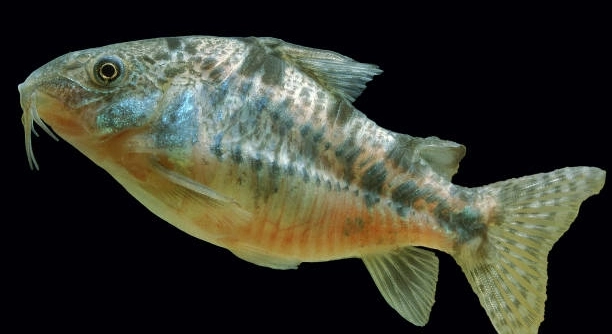
Are your Corydoras catfish spending too much time sifting through the substrate without seeming to eat anything substantial? It can be hard to tell if they’re actually getting enough food during feeding time.
Corydoras catfish need access to sinking food that reaches the bottom of the tank, away from faster top-feeders. Monitoring their feeding behavior, body condition, and activity level is essential to ensure they are well-nourished and healthy.
Knowing the signs of underfeeding can help you take action early and keep your Corydoras happy, active, and in good shape.
How to Make Sure Your Corydoras Is Getting Enough Food
Corydoras catfish are peaceful bottom-dwellers that rely on food reaching the substrate, especially in community tanks where top feeders dominate mealtimes. To make sure your Corydoras are eating enough, it’s important to feed a variety of sinking foods like pellets, wafers, or gel-based options designed for bottom feeders. These should be placed in areas your Corydoras often visit. Feed after the lights go out if your tank includes more active daytime fish. Watching how they respond to feeding helps too—if they immediately begin foraging when food hits the substrate, they’re hungry. It’s best to feed them small amounts once or twice daily, removing uneaten food after 20–30 minutes. Supplement their diet with frozen or live foods like bloodworms or daphnia a few times a week. These nutrient-rich options mimic natural feeding behavior and help keep them active and in good shape.
If they look thinner or stop exploring the tank as much, they may not be getting enough.
Look for signs of eager feeding when the food reaches the substrate. Corydoras that quickly gather and forage actively are usually getting enough. If they remain uninterested or slow to respond, it might be time to adjust feeding habits.
7 Signs Your Corydoras Isn’t Eating Enough
A noticeable change in behavior, like less movement or skipping usual foraging routines, is often the first indication your Corydoras isn’t eating well. Other signs include a visibly sunken belly, fading coloration, or staying hidden during feeding times. You may also notice them spending more time scavenging without finding food or competing poorly with faster tankmates. Watch how they interact with sinking food—if it’s being eaten by others before your Corydoras gets to it, consider using feeding tongs or barriers to ensure fair access. Regular observation helps you spot these issues early. Adjustments to feeding times or switching to food designed specifically for bottom-dwellers can make a big difference. Keep track of their appearance and movement over a few days. A healthy Corydoras should appear round-bodied and actively sift through substrate for food. Being aware of these signs will help you maintain a healthier and more balanced tank environment.
Feeding Tips for Healthy Corydoras
Use sinking foods that are specifically made for bottom-dwellers. These include pellets, wafers, and gel-based options that stay on the substrate. Feed in small amounts to prevent uneaten food from building up and affecting water quality.
Offer a mix of dry and protein-rich foods throughout the week. Good choices include sinking pellets for daily feeding and frozen or live foods like bloodworms or brine shrimp two to three times a week. Corydoras enjoy variety and benefit from different textures and nutrients. Always make sure the food actually reaches the bottom of the tank. Feed after lights go out if your tank has more aggressive feeders. This helps ensure the Corydoras have enough time to eat without competition. Remove any uneaten food after 30 minutes to keep the water clean and avoid overfeeding, which can stress your fish.
Feeding more than once a day is helpful in tanks with fast eaters. Try feeding smaller portions twice a day and watching how your Corydoras respond. You may find that they are more active and satisfied when food is more available. Also, try spreading food in different tank areas so dominant fish don’t take everything. This gives every Corydoras a fair chance to eat. Always observe their activity—active foraging and steady movement usually mean they’re well-fed.
Mistakes That Keep Corydoras From Eating Enough
Feeding only floating food is a common mistake. Corydoras won’t swim to the surface to eat like some other fish. When all the food stays up top, they miss out completely, leading to poor nutrition and stress over time.
Another mistake is relying on community flakes or granules that don’t sink well or dissolve too fast. These foods often disappear before reaching the substrate or get eaten by faster tankmates. Corydoras prefer food they can sift through slowly. Also, overcrowded tanks make it harder for them to access food, especially when surrounded by more dominant species. Keep tank stocking balanced and ensure hiding spots are available so they can eat without pressure. Feeding at the same time as brighter lights and activity can discourage them from showing up, so try offering food in lower light conditions. These simple adjustments can improve how well your Corydoras eat and reduce feeding stress.
How to Watch Feeding Without Disturbing Them
Keep the environment quiet during feeding time. Sudden movement, tapping on the glass, or bright lighting can scare Corydoras and keep them from eating. Use dim lighting and give them space so they feel comfortable enough to forage.
Stand back and observe from a short distance. Corydoras are more likely to eat when they don’t feel watched. Look for signs like steady movement along the bottom, mouth contact with food, and substrate-sifting behavior. These signs show they’re comfortable and actively feeding.
Best Times to Feed Your Corydoras
Feed Corydoras after the lights have been on for a little while or just after lights go out. They tend to be more active during these quieter times. If other fish are aggressive during feeding, wait until evening and turn the lights low or off. This reduces competition and allows the Corydoras to eat in peace. Avoid feeding them immediately after cleaning the tank or after any stressful events like water changes, as they may not be in the mood to eat. Observing their behavior helps you find the best routine for your specific setup.
Why Sinking Food Matters
Corydoras feed at the bottom, so floating food doesn’t meet their needs. Sinking pellets, wafers, or gel-based food ensure they can eat without competing with top swimmers. Always check that food reaches them.
FAQ
How often should I feed my Corydoras catfish?
Feed them once or twice a day, depending on your tank setup and how much they eat each time. If there are faster fish in the tank, consider feeding twice a day to make sure the Corydoras get enough. Keep each feeding small to prevent food from going uneaten and affecting water quality. It’s better to feed less and observe their behavior than to overfeed. They should be active and foraging after feeding, not sluggish or ignoring food.
What type of food is best for Corydoras catfish?
Sinking pellets or wafers made for bottom-feeders are the best staple. These foods stay on the substrate, making them easier for Corydoras to find. Supplement with protein-rich foods like frozen bloodworms, live blackworms, or brine shrimp two or three times a week. A varied diet supports better health, growth, and activity. Avoid flakes or floating pellets as their main food because Corydoras won’t go to the surface to eat. Feeding them a mix of textures also keeps them interested and helps ensure they get a complete diet.
How do I know if my Corydoras are getting enough food?
Look at their body shape. A well-fed Corydoras has a rounded belly but not bloated. They should be active during feeding and seen sifting through the substrate afterward. Signs of hunger include chasing food more aggressively, becoming more visible during the day, or losing weight. If they seem more sluggish or thinner than usual, try adjusting feeding times or offering food when other tank mates are less active. Observing them daily will help you recognize normal behavior and spot changes early.
Can Corydoras eat vegetables or algae wafers?
Yes, they can eat blanched vegetables like zucchini, cucumber, or spinach in small amounts. Algae wafers are also a good option, especially when they contain extra proteins or spirulina. These are not a substitute for their main diet but can add variety. Vegetables should be offered once or twice a week and removed after a few hours. Algae wafers work well for tanks with mixed species, but always ensure the Corydoras are reaching them before they dissolve or get eaten by others.
Should I feed Corydoras separately from other fish?
If your tank has faster or more aggressive eaters, consider feeding in separate areas or at different times. You can use a feeding dish or gently drop food near hiding spots. This gives Corydoras more time to eat without competition. Feeding after lights are dimmed can also help because Corydoras are more comfortable and active then. Some keepers even use feeding tubes to deliver food directly to the substrate. It takes a little experimenting, but it helps make sure they eat enough without stress.
What are signs of overfeeding Corydoras?
A constantly bloated belly, lack of movement, or excess food sitting on the substrate are signs of overfeeding. Uneaten food quickly decays and can harm water quality, which affects all tank inhabitants. Corydoras are sensitive to poor water conditions and may show stress or illness if overfed. Cut back the amount if you notice these signs, and remove uneaten food within 30 minutes. Regular water changes and observation will help keep things balanced and your fish healthy.
Can baby Corydoras eat the same food as adults?
Baby Corydoras need smaller, softer foods. Crushed flakes, powdered pellets, and baby brine shrimp are good options. As they grow, you can slowly introduce finely crushed sinking foods. They eat more frequently than adults, so feeding them three to four times a day is often recommended. Make sure the food reaches the bottom and is small enough for them to swallow. Clean the tank more often during this stage, as leftover food can build up quickly and affect their health.
Final Thoughts
Feeding Corydoras catfish the right way helps support their health and behavior. These peaceful bottom-dwellers need consistent access to food that sinks and is easy to find. Floating pellets and flakes often get eaten by other fish before reaching them, so it’s important to use the right food type. Sinking pellets, wafers, or frozen foods like bloodworms work well. Offering a variety of options can keep their diet balanced and interesting. Watching them during feeding will also give you useful signs—they should be actively searching and foraging along the bottom, not hiding or ignoring food.
It’s also important to feed at the right time and in the right way. Evening or low-light feeding sessions usually work best, especially if other fish in the tank compete for food. Use quiet surroundings and avoid tapping or sudden movements that could scare them away. Some people find it helpful to feed in different areas of the tank or near plants and hiding spots, so the Corydoras can eat without stress. If you notice your Corydoras are losing weight, becoming sluggish, or staying hidden during feeding time, they may not be getting enough food. Adjusting how or when you feed can make a big difference.
Finally, keep an eye on their condition over time. A healthy Corydoras has a slightly rounded belly, shows regular movement, and stays active on the substrate. Avoid overfeeding, since leftover food can quickly spoil and harm water quality. Uneaten food should be removed within 30 minutes after feeding. Baby Corydoras need smaller, softer food and more frequent feedings to grow well. Whether you’re caring for a few or a larger group, the main goal is to give them a calm, safe environment where they can eat without trouble. Paying attention to these small details will help your Corydoras thrive and bring more life to your tank.

Hello,
If you enjoy the content that we create, please consider saying a "Thank You!" by leaving a tip.
Every little bit helps us continue crafting quality advice that supports the health, happiness, and well-being of pets around the world, for pets of all shapes, sizes, and species.
We really appreciate the kindness and support that you show us!