
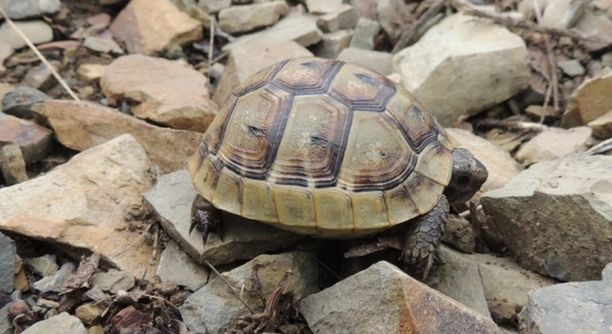
Creating a safe and secure environment for your indoor Russian tortoise is essential to keep it happy and healthy. It’s important to prevent escape attempts while providing a comfortable home. Proper enclosures make a difference.
To make an indoor Russian tortoise enclosure escape-proof, focus on secure walls, a well-fitting lid, and an appropriate setup for ventilation. Ensure that there are no gaps or spaces large enough for the tortoise to slip through.
Taking a few steps to strengthen the enclosure will protect your tortoise from potential hazards and ensure a safe, comfortable home.
Choosing the Right Materials for the Enclosure
The materials you use to build your tortoise enclosure are crucial. It’s important to select durable, non-toxic materials that can withstand the weight and movements of your tortoise. Wooden walls are often used but ensure they are tightly fitted. If you’re using mesh or wire, opt for small enough gaps to prevent escape. Glass tanks or plastic tubs are also popular choices, providing a clear view of your tortoise’s habitat while securing the space. Additionally, ensure the flooring is comfortable and easy to clean.
Start with sturdy, well-secured wood or plastic. These materials will prevent any chance of your tortoise squeezing through cracks or gaps. Make sure the material is not treated with harmful chemicals.
Pay close attention to the structure’s strength. If the walls are not stable enough, your tortoise might find a way to push or climb out. Consider a lid or top that secures tightly, ensuring it won’t be easily lifted. This extra layer of security prevents unexpected escapes.
Proper Ventilation and Heat Control
Proper ventilation is a key factor when building your enclosure. While securing the space, it’s crucial to maintain airflow for your tortoise’s comfort and health. Adequate ventilation helps avoid humidity buildup that can cause respiratory issues. Make sure the enclosure has breathable spaces without compromising security.
Keeping the temperature stable is another consideration. Russian tortoises thrive in warm conditions, so ensure the enclosure has a heat source. A heat lamp or under-tank heater works well to create a warm basking spot. Keep the temperature consistent, as sudden drops can stress your tortoise. A reliable thermostat can help maintain a steady temperature range between 75-85°F. A cooler side of the enclosure is also needed for your tortoise to regulate its body temperature. Proper humidity levels are equally important, so be sure to monitor these factors closely.
Secure the Bottom of the Enclosure
The bottom of the enclosure needs to be as secure as the sides. Tortoises are excellent diggers and might attempt to escape through the floor. Using a solid surface like wood, plastic, or glass will prevent this. If you use soil, add a barrier to discourage digging.
A sturdy base ensures your tortoise won’t escape by burrowing. Be sure the bottom is completely flush with the walls to avoid any gaps. Adding a few inches of non-toxic substrate, like coconut coir, will make the space comfortable while preventing escape attempts. Check the base for any weak spots regularly.
Make sure any bedding material stays in place. Some tortoises like to dig and move things around. Ensure the material is not loose enough to escape through, and it stays intact over time. A stable bottom layer will help keep your tortoise secure and prevent stress caused by frequent escapes.
Adding the Right Height
Height is a factor in creating a secure enclosure. Russian tortoises, while not known for climbing, can still be surprisingly resourceful when trying to escape. A secure top with adequate height is important. It keeps the tortoise’s living area safe and allows you to add extra layers of security.
Using a lid or cover will stop any climbing attempts. A few inches above the walls of the enclosure can prevent your tortoise from reaching the top. Choose materials like mesh or wire, ensuring the height is enough to keep your tortoise inside, but not too high to cause stress.
The lid or top should be well-secured. A simple clasp or latch will help keep it in place. Avoid using lightweight materials that your tortoise could push open. A solid, secure lid will give you peace of mind, knowing your tortoise is safe inside and not wandering out.
Avoid Overcrowding
Overcrowding an enclosure can create stress for your tortoise, which may lead to escape attempts. Ensure the space is large enough for your tortoise to move comfortably. If your tortoise feels cramped or uncomfortable, it might try to escape in search of more space.
The enclosure should provide enough room for the tortoise to roam, bask, and explore. A larger space reduces stress and prevents boredom, which could contribute to escape behaviors. Pay attention to how your tortoise moves around, as signs of restlessness may indicate that the space is not adequate.
Adding Visual Barriers
Creating visual barriers in the enclosure can help your tortoise feel more secure. If your tortoise can see outside the enclosure or to other pets, it may become stressed or more likely to escape. Adding hides or plants creates a more comfortable environment.
Using natural materials like rocks or logs can act as both barriers and enrichment. These structures provide hiding spots and obstacles that prevent your tortoise from focusing on the outside world. These features also give your tortoise a sense of security and help prevent escape attempts.
Regularly Inspecting the Enclosure
Regularly inspecting the enclosure is crucial to ensure no weak spots develop over time. It’s easy to miss small gaps or damaged areas, which could lead to an escape. Check the walls, lid, and floor frequently for any signs of wear.
Taking a few minutes every week to inspect the enclosure can save a lot of stress in the long run. Look for cracks in the materials, worn-out joints, or signs of escape attempts. If you find anything damaged, fix it right away to avoid future problems.
FAQ
How can I prevent my Russian tortoise from escaping?
To prevent your Russian tortoise from escaping, ensure the enclosure is fully secure. Use a solid base that prevents digging and a well-fitting lid to stop climbing attempts. Check for gaps or weak spots in the walls, floor, and lid regularly. Additionally, adding height to the enclosure, such as using mesh or wire, can help prevent escape. Ensure the enclosure is spacious enough to reduce stress and boredom, which could lead to attempts to escape.
What materials are best for creating an escape-proof enclosure?
Use durable, non-toxic materials for your tortoise’s enclosure. Wood, plastic, and glass are ideal options. The material should be sturdy enough to withstand your tortoise’s movements. Avoid materials with gaps large enough for the tortoise to slip through. If using wire or mesh, choose one with small openings to ensure your tortoise can’t push through. Additionally, make sure any materials used are free from harmful chemicals.
Can Russian tortoises climb out of their enclosure?
While Russian tortoises are not known for being great climbers, they can still attempt to climb out if the walls are low enough. To prevent this, ensure the enclosure has a high enough lid or wall to discourage climbing. A lid that fits securely will also prevent your tortoise from pushing its way out. Use a mesh or wire cover that is tightly secured to avoid any chances of escape.
What size enclosure do I need for a Russian tortoise?
A Russian tortoise needs enough space to move, bask, and explore. A minimum of 4 square feet of space is recommended for a single tortoise. However, the larger the enclosure, the better. Ensure the space is wide enough for your tortoise to roam comfortably. If keeping more than one tortoise, make sure to increase the space to avoid overcrowding, which can cause stress and lead to escape attempts.
How can I make sure my tortoise is comfortable in its enclosure?
To keep your tortoise comfortable, provide proper heating and ventilation. Ensure the enclosure has a heat source to maintain a temperature between 75-85°F. Include a basking area and a cooler spot for your tortoise to regulate its body temperature. Additionally, add a safe, comfortable substrate like coconut coir for burrowing. Include hiding spots and enrichment items like rocks and logs to encourage natural behaviors.
Is it okay to use soil in the enclosure?
Yes, soil can be used in the enclosure, but it needs to be properly contained. Make sure the soil is free from pesticides and chemicals that could harm your tortoise. Additionally, ensure the soil doesn’t create weak spots in the enclosure that could lead to escape attempts. Adding a border or barrier can help prevent digging or tunneling out.
How can I prevent my tortoise from digging out?
To prevent digging, use a solid bottom that is secure and free from gaps. If using soil, ensure it’s not too deep and add a barrier underneath to discourage digging. Regularly check the base of the enclosure for signs of digging. If your tortoise does dig, it’s a sign that the enclosure might not be secure enough, and additional measures may be needed.
Can I use a glass tank for my Russian tortoise enclosure?
A glass tank can be used, but it must be large enough to provide space for your tortoise to move freely. Glass tanks are easy to clean and can offer a clear view of your tortoise, but they can also create humidity problems if not properly ventilated. Ensure there’s proper airflow and temperature regulation to prevent any health issues for your tortoise.
How often should I inspect the enclosure for damage?
It’s important to inspect the enclosure regularly to ensure it remains secure. Check it at least once a week for any signs of wear, cracks, or damage that could lead to an escape. This includes checking the walls, lid, floor, and any areas that may have been weakened over time. Regular inspections will help prevent problems before they occur.
What should I do if my tortoise escapes?
If your tortoise escapes, first check the immediate area around the enclosure for signs of where it might have gone. If you can’t find it, search under furniture, behind objects, or in places where it might be hiding. Tortoises are often slow and may not travel far. If the tortoise is outside, search the surrounding yard or house. If you can’t locate it, consider putting out food or a trail to encourage your tortoise to return to the enclosure.
Can my tortoise climb over a low fence?
Russian tortoises are not known for being strong climbers, but they can still manage to climb over low fences if they are determined. A fence that’s at least 12-18 inches high should be sufficient to keep them inside. However, to be safe, it’s best to have an enclosure with secure walls or a lid that makes climbing difficult.
Final Thoughts
Creating an escape-proof enclosure for your Russian tortoise is essential for its safety and well-being. A secure environment ensures your tortoise remains protected and prevents potential stress or injury from wandering outside. By considering factors like enclosure size, the materials used, and the overall setup, you can greatly reduce the likelihood of your tortoise escaping. The key is to create a comfortable, spacious, and secure home that allows your tortoise to engage in natural behaviors while remaining safely inside.
Regular maintenance and inspection are crucial to keeping your enclosure secure. Over time, materials can weaken, and small gaps may develop. It’s important to check for these issues periodically to address any problems before they lead to an escape. Additionally, providing a variety of enrichment options like hiding spots, plants, and obstacles can help prevent boredom, which might contribute to escape attempts. Offering a well-rounded environment is just as important as ensuring the physical structure remains secure.
Ultimately, the goal is to balance security with comfort. The right setup will provide your tortoise with the space it needs to thrive while keeping it safe from harm. Whether it’s adjusting the height of the enclosure, adding barriers to prevent climbing, or regularly inspecting for damage, each step contributes to a better living space. By investing time and care into setting up and maintaining an escape-proof environment, you ensure your Russian tortoise stays happy, healthy, and secure.

Hello,
If you enjoy the content that we create, please consider saying a "Thank You!" by leaving a tip.
Every little bit helps us continue crafting quality advice that supports the health, happiness, and well-being of pets around the world, for pets of all shapes, sizes, and species.
We really appreciate the kindness and support that you show us!